






Activity Description
This consensus statement provides an in-depth summary of an expert panel discussion on the diagnosis and management of macular telangiectasia (MacTel) type 2. It focuses on achieving consensus among specialists on the pathophysiology, incidence, diagnosis, decision-making, emerging therapeutic treatments, and patient communication strategies to enhance the care of patients with MacTel type 2.
Target Audience
This activity is designed for ophthalmologists.
Learning Objectives
A. Describe the definition, prevalence, clinical presentation, and impact of MacTel on the photoreceptor health and resultant visual loss.
B. Elucidate the current best practices for earliest diagnosis and provide effective patient screening parameters to avoid misdiagnosis of MacTel and inform decision-making for early intervention in both academic and private practice settings.
C. Discuss the natural progression of MacTel and the negative impact of delayed intervention, and review the mechanism of action, treatment goals, and durability of emerging treatment strategies such as encapsulated cell therapy to enhance functionality.
D. Review current and upcoming clinical research and the latest data on disease progression and functional outcomes based on lesion size at treatment initiation and discuss case studies illustrating early versus late treatment outcomes.
E. Discuss strategies for communicating expectations with MacTel patients and management of their patient journey and co-morbidities.
Grant Support Statement
This activity is supported by an unrestricted educational grant from Neurotech.
Faculty Disclosures
Sophie Bakri, MD, Faculty, has the following financial relationships: Consultant: AbbVie, Adverum, Amgen, Eyepoint, Neurotech, Outlook Therapeutics, Regeneron, Regenx Bio and Roche.
W. Lloyd Clark, Faculty, has the following financial relationships: Consultant: 4DMT, Amgen, Annexon Biosciences, EyeBio/Merck, Genentech/Roche, Ocular Therapeutix, Neurotech, Notal Vision, Regeneron Pharmaceuticals, Sandoz; Stock (public): Annexon Biosciences; Research: Genentech/Roche, Ocular Therapeutix, Notal Vision, Regeneron Pharmaceuticals.
Diana Do, MD, Faculty, has the following financial relationships: Consultant and Research Support: Neurotech.
Dean Eliott, MD, Faculty, has the following financial relationships: Board/Committee Member: Aviceda, Clearside Biomeical, EyeBio, and Ocular Therapeutix. Board/Committee Membership; Research; Consultant: Neurotech. Consultant: Alcon, Ikarovec, and Kalaris Therapeutics. Consultant; Royalties/Patents/Stock (Public Company); Aldeyra Therapeutics. Consultant; Stock (Private Company): Pykus Therapeutics and RetMap. Stock (Private Company): Ingel Therapeutics and Ingenia Therapeutics. Stock Options (Private Company) ExOcular.
Roger Goldberg, MD, Faculty, has the following financial relationships: Advisor: AdaRx, BioCryst, Kiora, Orasis, Surrozen, and TavoBio. Advisor; Research: AbbVie, Adverum, Annexon, Avirmax, Boehringer Ingelheim, Neurotech, and Regeneron. Advisor; Research; Speaker: Apellis. Consultant: Ocugenix and Ray Therapetutics. Consultant; Research: Eyepoint, Ocular Therapeutix, Stealth, and Zeiss. Consultant; Research; Speaker: Roche/Genentech. Research: 4DMT, Affamed, Cognition, Glaukos, Janseen/Johnson & Johnson, Novo Nordisk, and Ollin Bio. Stocks (Private Company); Emmetrope.
Dante Pieramici, MD, Faculty, has the following financial relationships: Advisory Board and Consultant: 4DMT, Adverum, Arrowhead, Eyepoint, Genentech, Kyowa Kirin, Neurotech, Perceive, Regeneron, Regenx Bio, Retina AI, Roche, and Unity. Research Support: 4DMT, Adverum, Amgen, Apellis, Aviceda, Avirmax, Boehringer Ingelheim, Eyebio, Eyepoint, Genentech, JAEB, Janssen, jCyte, Novartis, Ocular Therapeutix, Oculis, ONL, Ray, Regeneron, Regenxbio, Sanofi, SciNeuro, Stealth Bio, Vantage
Lejla Vajzovic, MD, Faculty, has the following financial relationships: Consultant/Advisory Board: Abbvie/Allergan, Adverum, Alcon Laboratories, Alimera Sciences, Alkeus, Apellis, Astellas, Bausch + Lomb, BioCryst, Beaver-Visitec International, BMC, Clearside Biomedical, Coherus Biosciences, DORC, Evolve Medical Education, Guidepoint, Gyroscope, Iveric Bio, Janssen / Johnson & Johnson, Lexitas Ophthalmology, Nanoscope, Novartis, Ocugen, Ocular Therapeutix, Ocular Surgical, OcuTerra, ONL Therapeutics, Outlook Therapeutics, Regeneron, Regenxbio, Roche/Genentech, and Vindico Medical Education. Grant/Research Support: Abbvie/Allergan, Adverum, AGTC, Alcon Laboratories, Aldeyra, Apellis, Gyroscope, Heidelberg Engineering, Janssen / Johnson & Johnson, National Eye Institute, Novartis: Ocugen, Ocular Therapeutix, Optos, Regenxbio, and Roche/Genentech. Equity/Stock Owner: Lexitas Ophthalmology. Patents/Royalties: Alcon Laboratories.
Off-label Statement
This educational activity may contain discussion of published and/or investigational uses of agents that are not indicated by the FDA. The opinions expressed in the educational activity are those of the faculty. Please refer to the official prescribing information for each product for discussion of approved indications, contraindications, and warnings.
Disclaimer
TFG does not accept responsibility for any opinions, positions, or statements contained or expressed in such material, and such opinions, positions and statements are not necessarily those of the TFG. Courses are intended to provide instruction leading to new knowledge and/or skills. TFG does not certify competence upon completion of the courses. The information presented is not meant to serve as a guideline for patient management. Any procedures, medications, or other courses of diagnosis or treatment discussed in this activity should not be used by clinicians without evaluation of patient conditions and possible contraindications on dangers in use, review of any applicable manufacturer’s product information, and comparison with recommendations of other authorities.
INTRODUCTION
Macular telangiectasia type 2 (MacTel type 2), a bilateral, slowly progressive, chronic condition of the central retina, has historically been characterized by its subtle vascular abnormalities, including telangiectatic vessels and late-stage leakage.1 Emerging research and clinical consensus, however, have shifted the paradigm of MacTel type 2 from a primary vasculopathy to a complex neurodegenerative disease centered on the dysfunction of Müller glial cells, which support both the functional and structural integrity of the retina,2 and the subsequent loss of photoreceptors.3,4
While often considered a rare condition affecting about 0.1% of the US population,5,6 the insidious onset of MacTel type 2 and similarity of symptoms to other macular pathologies such as age-related macular degeneration (AMD) frequently lead to underdiagnosis or misdiagnosis in general retina practice.7 It may also contribute to an underestimation of the number of individuals with MacTel type 2.8
As the understanding of the metabolic and genetic components of MacTel type 2 evolves, clinicians are recognizing that standard metrics of visual function, specifically Snellen visual acuity, are insufficient for capturing the true burden of the disease. As MacTel type 2 progresses and central vision becomes challenging, patients may begin to report profound functional deficits including difficulty reading, metamorphopsia, and paracentral scotomas,9 even while maintaining good visual acuity. Patients may also note changes in color perception10 and, eventually, varying levels of vision loss from other complications such as subretinal neovascularization, fibrosis, atrophy of the foveal photoreceptor layer, and macular holes.11 Consequently, a multimodal diagnostic approach is essential to identify structural changes such as ellipsoid zone (EZ) loss and retinal cavitations before irreversible vision loss from MacTel type 2 occurs.
The following consensus statement reflects the perspectives of experienced retina specialists, drawing from current survey data and established clinical literature. Developed to address prevailing gaps in diagnosis and management, the following statement outlines a harmonized view of the pathophysiology, diagnostic protocols, and emerging therapeutic strategies for MacTel type 2.
Among the expert consensus group, 43% have been in practice for 10 to 20 years, 43% for 20 to 30 years, and 14% for more than 30 years. Notably, 100% of the MacTel Type 2 Expert Consensus Group characterizes the underlying pathophysiology as primarily neurodegenerative, affecting Müller cells and photoreceptors (Figure 1).
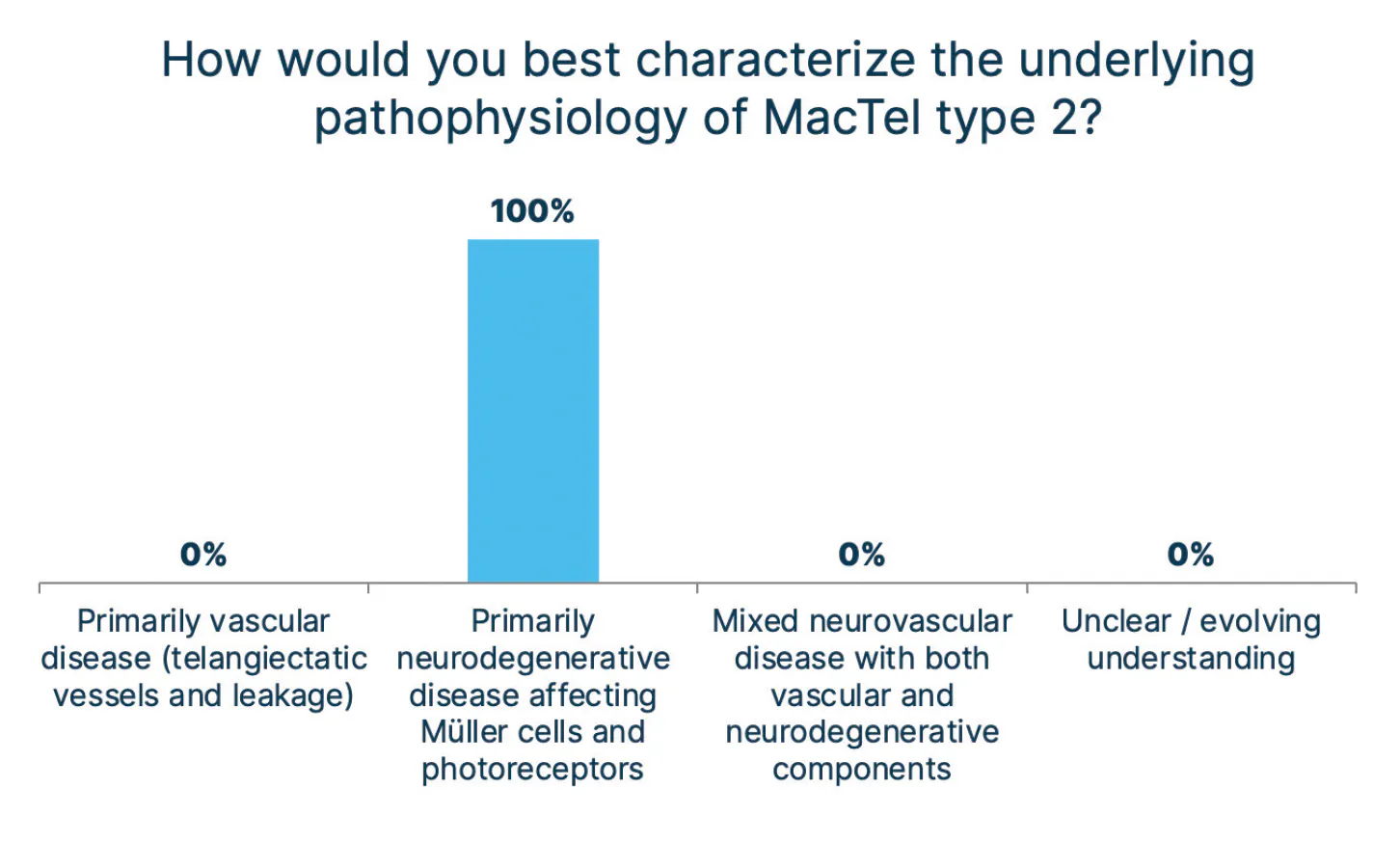
Figure 1. The MacTel Type 2 Expert Consensus Group unanimously agreed the underlying pathophysiology of MacTel type 2 is primarily neurodegenerative.
PATHOPHYSIOLOGY: THE METABOLIC AND NEURODEGENERATIVE SHIFT
The modern understanding of MacTel type 2 has shifted from the concept of a vascular disease to a predominantly metabolic and neurodegenerative disorder.1-4 At the cellular level, MacTel type 2 is driven by a localized depletion of Müller cells in the parafoveal region of both eyes.2 These glial cells are the metabolic engines of the retina. They provide structural support, neurotransmitter recycling, and neurotrophic factor secretion.12 Degeneration of Müller cells leads first to disruption of the EZ and later photoreceptor dysfunction and loss of visual function,13 followed by degeneration of the inner retinal layers and internal limiting membrane (ILM) draping over the affected area.14
“We know now that there are several retinal layers involved in MacTel type 2 such as the photoreceptor ellipsoid zone in particular and sometimes the outer nuclear layer later in the disease,” Sophie Bakri, MD, said. “Usually, the changes begin slightly temporal to the fovea and eventually may reach the fovea.”
Further, recent metabolic research has identified a systemic component: reduced circulating levels of serine and glycine.15 In the absence of adequate serine, the enzyme serine palmitoyl-transferase begins to use alanine instead, resulting in the production of toxic 1-deoxysphingolipids (doxSLs). These noncanonical lipids lack the hydroxyl group required for further metabolism, leading to their accumulation and subsequent mitochondrial dysfunction and cell death in the retina. This so-called toxic lipid hypothesis provides a bridge between the systemic metabolic state and the localized retinal degeneration, helping explain why MacTel type 2 often presents in patients with comorbid metabolic conditions like diabetes and hypertension. However, 71% and 29% of the expert consensus group, respectively, reported encountering coexisting MacTel type 2 and late-stage AMD only rarely or occasionally (Figure 2).
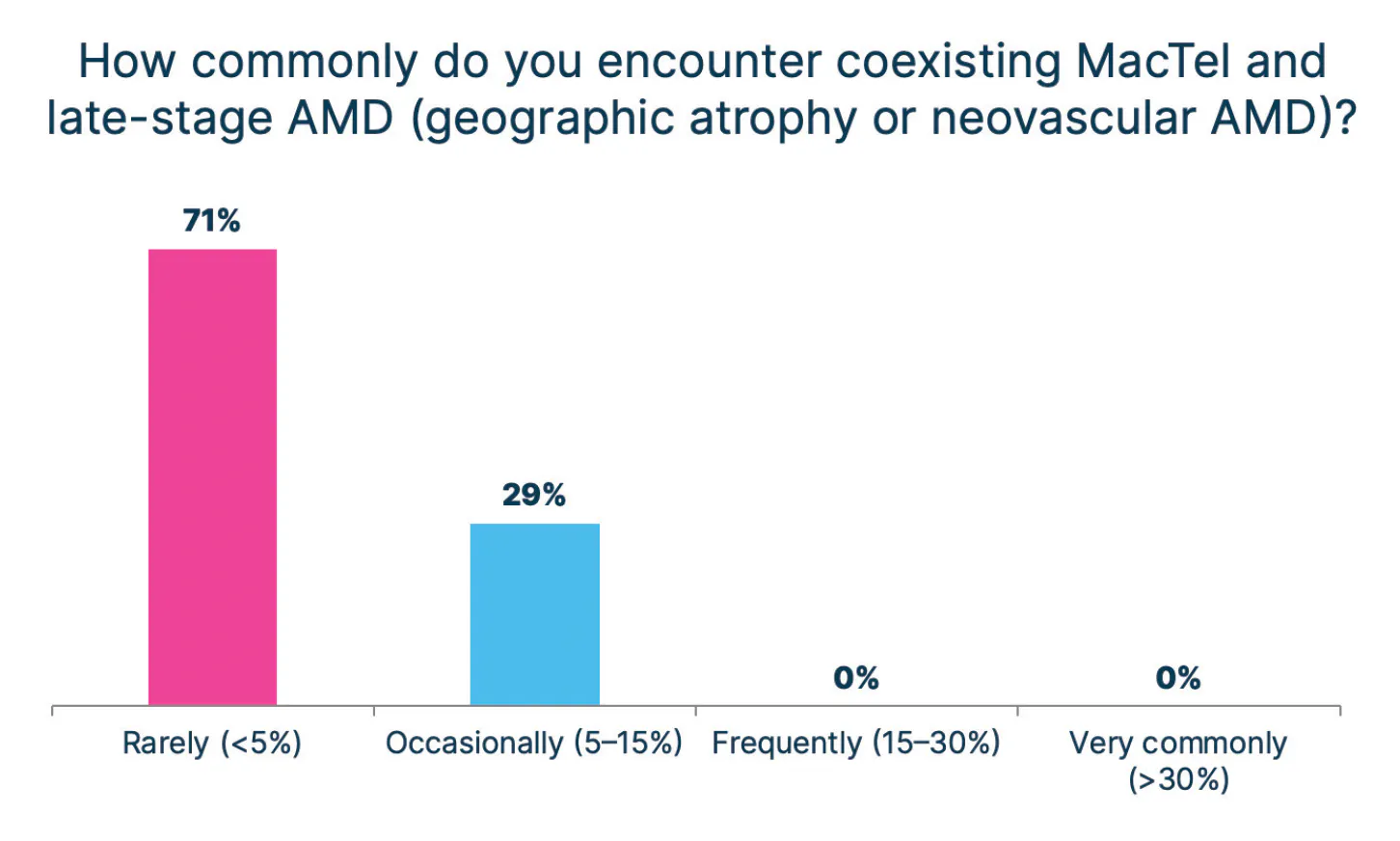
Figure 2. Coexisting MacTel type 2 and late-stage AMD is only rarely or occasionally seen in the expert consensus group’s practices.
The vascular abnormalities, or the telangiectatic vessels, are now understood to be a secondary rather than primary driver of the disease.1-4 In fact, MacTel type 2 “was known initially as juxtafoveal telangiectasia,” Dr. Bakri explained. W. Lloyd Clark, MD, added that, in the past, early vascular changes were considered a precursor on angiography and other imaging modalities.
As Müller cells and photoreceptors degenerate, the resulting tissue collapses and altered metabolic signaling prompts the remodeling of the deep capillary plexus.16 Ciliary neurotrophic factor (CNTF), a neurotrophic protein, also decreases locally (for more information on CNTF, see A Potential Treatment for Neurodegenerative Diseases).17 These changes lead to the characteristic ectatic vessels and right-angled venules seen with MacTel type 2.
A Potential Treatment for Neurodegenerative Diseases
Ciliary neurotrophic factor (CNTF) is expressed in the central nervous system, cortical neurons, and Purkinje cells.1 Not only does it play an important role in neuronal growth and survival, but it promotes nerve regeneration after an injury,2,3 making CNTF a potential treatment for neurodegenerative diseases (Figure).
![<p>Figure. CNTF is key to protecting retinal neurons.<br />
[Courtesy of Neurotech]</p>](https://core4-cms.imgix.net/issue-2997/0326-tfg-sb1fig.png?auto=compress,format)
Specifically in the retina, the highest levels of CNTF expression are in astrocytes and Müller glial cells,4 although expression is also seen in rods, cones, and both bipolar and ganglion cells. Studies have shown reduced levels of CNTF in individuals with chronic degenerative diseases, including MacTel type 2.5 This is a key factor in the progression of photoreceptor degeneration.
Studies indicate that a treatment providing continual and long-term delivery of exogenous CNTF with encapsulated cell therapy helps protect the effects on retinal neurons, slows the progression of photoreceptor degeneration, and preserves retinal function.6-9
1. Uhlén M, Faberberg L, Hallström BM, et al. Tissue-based map of the human proteome. Science. 2015;347:1260419.
2. Albrecht PJ, Dahl JP, Stoltzfus OK, Levenson R, Levison SW. Ciliary neurotrophic factor activates spinal cord astrocytes, stimulating their production and release of fibroblast growth factor-2, to increase motor neuron survival. Exp Neurol. 2002;173:46-62.
3. Sendtner M, Götz R, Holtmann B, Thoenen H. Endogenous ciliary neurotrophic factor is a lesion factor for axotomized motoneurons in adult mice. J Neurosci. 1997;17:6999-7006.
4. Li J, Choi X, Cheng J, et al. Comprehensive single-cell atlas of the mouse retina. iScience. 2024;27:109916.
5. Shpak AA, Guekht AB, Druzhkova TA, Kozlova KI, Gulyaeva NV. Ciliary neurotrophic factor in patients with primary open-angle glaucoma and age-related cataract. Mol Vis. 2017;23:799-809.
6. Tao W, Wen R, Goddard MB, et al. Encapsulated cell-based delivery of CNTF reduces photoreceptor degeneration in animal models of retinitis pigmentosa. Invest Ophthalmol Vis Sci. 2002;43:3292-3298.
7. Li Y, Tao W, Luo L, et al. CNTF induces regeneration of cone outer segments in a rat model of retinal degeneration. PLoS One. 2010;5:e9495.
8. Wen R, Tao W, Li Y, Sieving PA. CNTF and retina. Prog Retin Eye Res. 2012;31:136-151.
9. Chew EY, Clemons TE, Jaffe GJ, et al. Effect of ciliary neurotrophic factor on retinal neurodegeneration in patients with macular telangiectasia type 2: a randomized clinical trial. Ophthalmology. 2019;126:540-549.
COMMON MISDIAGNOSES
According to the MacTel Type 2 Expert Consensus Group, the disease is frequently either misdiagnosed or underdiagnosed in general retina practice. “I suspect particularly early in the course of the disease, diagnosis may be missed,” Dante Pieramici, MD, said. “In large part, that was because [historically] we just had clinical examination, fundus photography, and fluorescein angiography.” This may mean some eye care professionals are not aware of or don’t have access to newer diagnostic technologies and more sensitive imaging software that help detect MacTel type 2 (Figure 3).
![<p>Figure 3. Imaging findings observed across the spectrum of MacTel type 2 disease severity.<br />
[Courtesy of Neurotech]</p>](https://core4-cms.imgix.net/issue-2997/0326-tfg-fig3.png?auto=compress,format)
Figure 3. Imaging findings observed across the spectrum of MacTel type 2 disease severity.
[Courtesy of Neurotech]
Luckily, MacTel type 2 is better understood today than in the past, which has led to a greater chance for correct diagnosis. “But many patients still present with an incorrect diagnosis or with an unknown diagnosis,” Dean Eliott, MD, said, adding the two most common misdiagnoses he sees in his clinic are macular degeneration and macular edema of unknown etiology. In some cases, a referring specialist may only note “irregular pigment changes to the macula” or “irregular vascular changes to the macula” in a patient chart.
Roger Goldberg, MD, added diabetic macular edema and epiretinal membrane as other common misdiagnoses. “Many of these MacTel patients have concurrent diabetes, and although they may not have diabetic retinopathy, sometimes their imaging can be confused for diabetic macular edema because you see cystic changes on OCT and leakage on fluorescein angiography,” he said. “In addition, the ‘ILM drape sign’ is a classic MacTel finding, which can be misinterpreted as an epiretinal membrane.”
At Dr. Pieramici’s practice, additional common misdiagnoses include cystoid macular edema, diabetic macular edema, and retinal vein occlusion.
Dr. Clark sees similar patterns in under- or misdiagnosis. “More often than not when I make the diagnosis of MacTel type 2 in my practice, the patient was referred with a putative diagnosis different than MacTel,” he said. “I find it to be a significant unmet need in the community in terms of the education of primary eye care providers to this important disease.”
Dr. Goldberg emphasized that referral with a wrong diagnosis is not a completely bad thing. “Part of the role of the primary eye care clinician is to notice and recognize when something’s not right and then refer to a specialist who can confirm or make the diagnosis and decide how best to manage it,” he said.
A common reason for under- or misdiagnosis, especially in early disease, includes nonspecific macular findings. “MacTel type 2 is challenging to diagnose early because often you only see subtle temporal ellipsoid zone thinning,” Lejla Vajzovic, MD, said. And, in fact, ellipsoid zone loss is the earliest clinical sign that raised suspicion for more than half of the expert consensus panel (Figure 4).
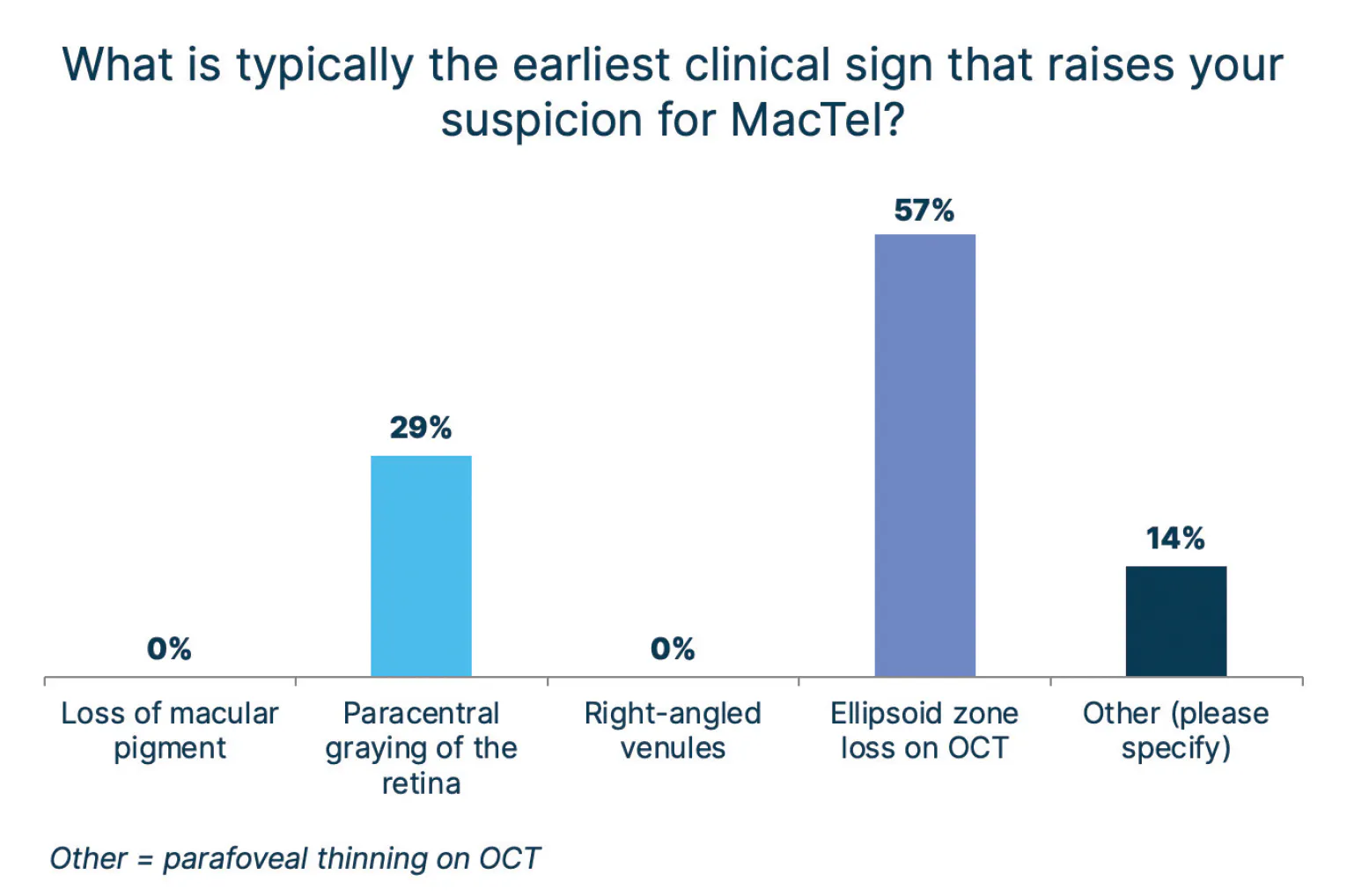
Figure 4. EZ loss on OCT is the most common earliest clinical sign that raises the expert consensus group’s suspicion for MacTel type 2, followed by paracentral graying of the retina.
“You can see a thinning of the temporal edge … it almost looks like they have a slightly widened foveal pit because they’re starting to lose tissue just adjacent to the foveal center,” Dr. Goldberg said. “Oftentimes, those patients are still asymptomatic.”
However, EZ loss also may be related to many other problems including medication toxicity such as the selective estrogen receptor modulator tamoxifen, then solar, laser pointer induced and alkyl nitrites retinopathy, Dr. Vajzovic furthered.
The expert consensus group recommends focusing on the following signs of MacTel type 2 in addition to EZ loss:
- Flattening/thinning of the foveal reflex
- Crystalline-type deposits temporal to the fovea
- Prominent venules or vasculature / right angle venular changes
- Pigment clumping/migration
- Outer retinal layer changes / graying of the retina
- Retinal photoreceptor loss
- Hyper-reflective foci in the retina
- Draping on the ILM
- Macular neovascularization
Incorporating OCT into a clinical examination helps decrease mis- and underdiagnosis of MacTel type 2 because it quantitates the amount of damage in the retina. “Now, we’re able to see some of the early clinical findings associated with this neurodegenerative disease much earlier than the classic vascular changes or choroidal neovascularization that we historically have associated with MacTel type 2,” Dr. Clark said.
AT-RISK PATIENTS AND IMAGING MODALITIES
Studies have shown patients with MacTel type 2 start experiencing symptoms between the ages of 40 and 50,8 but the mean age of diagnosis is not until 57.1 The group also acknowledged MacTel type 2 is still commonly diagnosed later versus earlier in the disease state. “Often, we diagnose patients in their fifth or sixth decade because they unfortunately have significant changes and … we can recognize it very easily,” Dr. Vajzovic said. “Ideally, we want to catch it before then.”
The expert consensus panel unanimously agreed that OCT is essential for confirming MacTel type 2 (Figure 5). Some, like Dr. Bakri, do not diagnose a patient based on OCT alone. “I typically get a fundus autofluorescence as well, which can show characteristic changes, and fluorescein angiography, which can show leakage in the macula in a characteristic fashion,” she said.
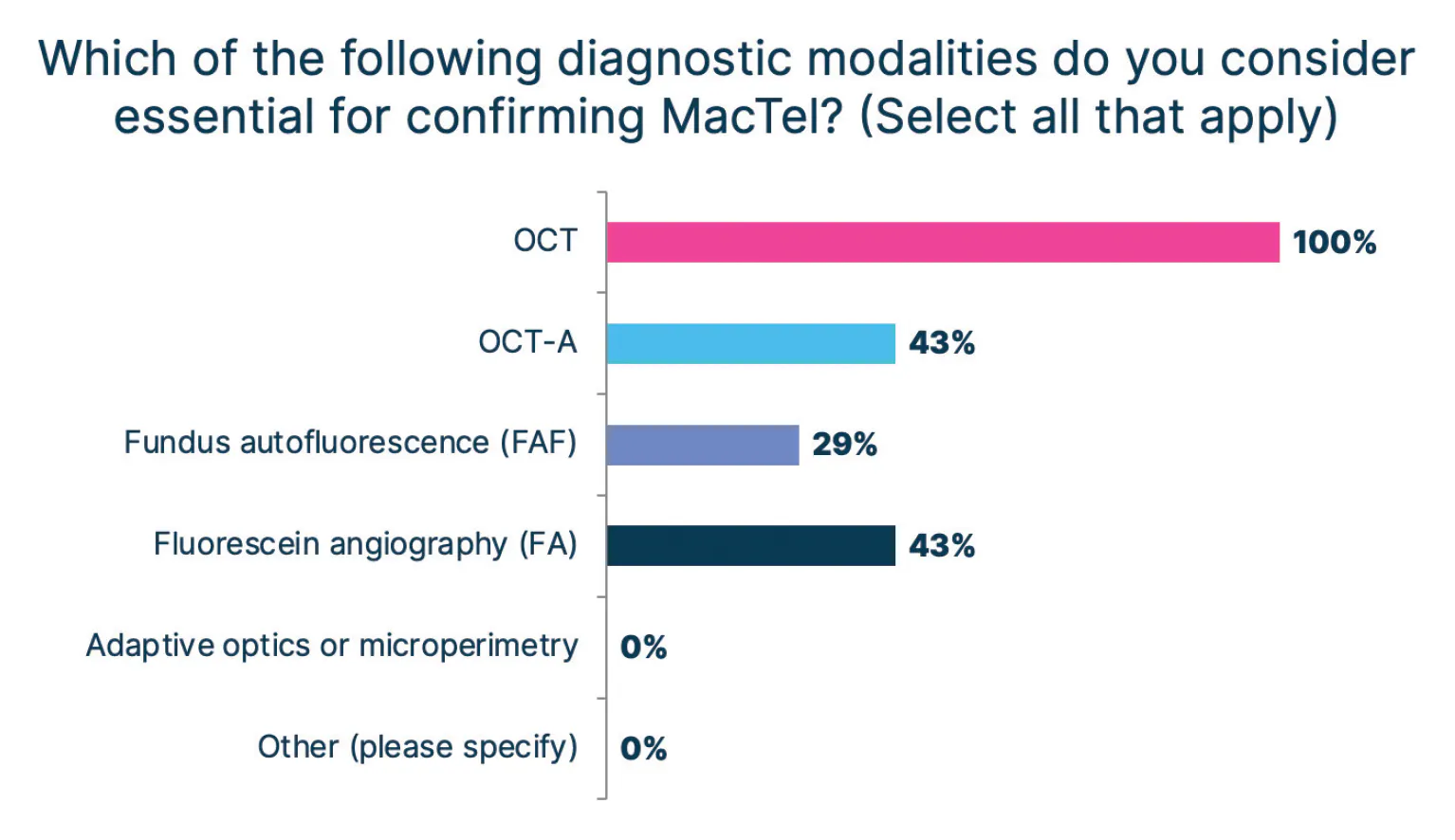
Figure 5. According to the expert consensus group, OCT is the most essential diagnostic technology to confirm a MacTel type 2 diagnosis.
The top two patient populations identified by the expert consensus group that should be screened more proactively for MacTel type 2 are those with unexplained parafoveal atrophy (100%) and subtle central vision distortion or metamorphopsia (71%) (Figure 6). However, most acknowledge that screening is challenging. “Screening programs for rare disease, at their foundation, are difficult,” Dr. Goldberg said. “I think it’s more about making sure education on MacTel type 2 is available.”
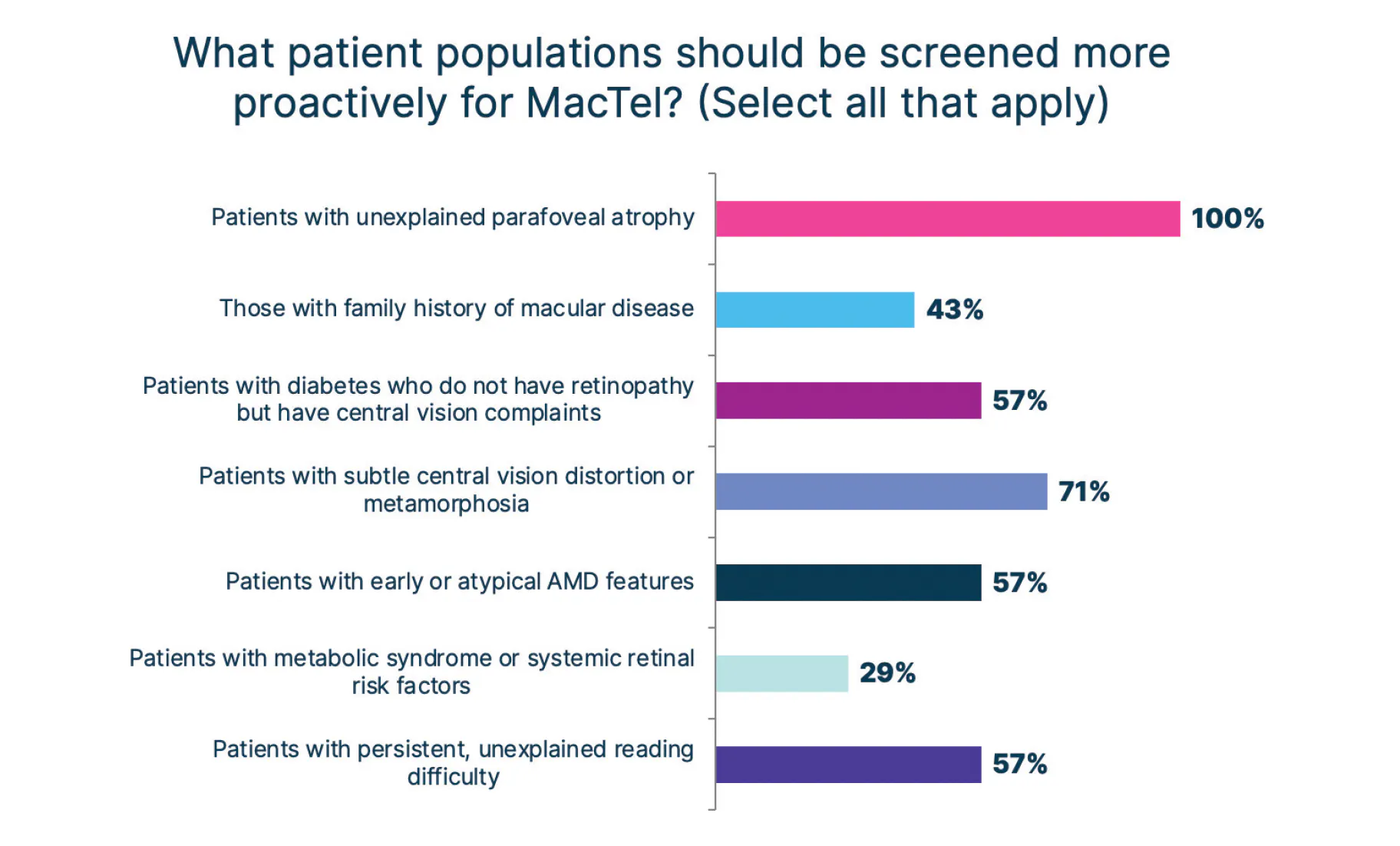
Figure 6. Patient screening for MacTel type 2 diagnosis is challenging. The expert consensus group rated patients with unexplained parafoveal atrophy and those with subtle central vision distortion or metamorphosia as the two most important groups to screen more proactively.
Nonspecific visual symptoms also challenge diagnosis of MacTel 2. “Patients can’t really describe what their problems are,” Dr. Clark said, adding this makes it easy to miss a diagnosis in a patient experiencing functional difficulty with their vision that is hard to quantify.
“When anybody complains of reduction in their central vision, we have to keep the possibilities wide. Then, based on the clinical examination and imaging studies, we can narrow down the potential diagnosis,” Dr. Do said. “MacTel type 2 is a slow, progressive condition, and many patients who are first diagnosed may have excellent vision in the 20/25 to 20/30 range and can maintain this vision for many years. Their symptoms might be more exaggerated than the actual visual acuity measurement because visual acuity doesn’t take into account all those areas of scotoma or dark spots in their vision that represent the atrophy of the EZ.”
In fact, one of the most significant practice gaps in MacTel type 2 management is an over-reliance on Snellen visual acuity to diagnose the disease (Figure 7). In many patients, high-contrast distance vision remains preserved for years, even as their functional quality of life deteriorates.11 Longitudinal data from the MacTel Project indicated best corrected visual acuity loss is as slow as 1 letter per year.18 This leads to the Snellen trap, where a clinician may dismiss patient complaints because their eye chart looks normal. When EZ loss starts to extend into the foveal center, “that’s when we really start to see visual acuity loss,” Dr. Pieramici said, adding preservation of visual acuity should not rule out evaluating a patient for MacTel type 2. “We need to start thinking about MacTel type 2 [diagnosis] in a younger patient who has vague visual complaints. Maybe they’re having some difficulty reading or the lines on a piece of paper aren’t exactly right.”
![<p>Figure 7. BCVA over time may not adequately capture MacTel type 2 progression or visual function (A). Microperimetry images demonstrating the development and subsequent expansion of a scotoma in a patient with MacTel type 2. In this patient, visual acuity remained stable, demonstrating that BCVA often does not reflect disease burden (B).<br />
1. Heeren TFC, Clemons T, Scholl HPN, Bird AC, Holz FG, Issa PC. Progression of vision loss in macular telangiectasia type 2. <i>Invest Ophthalmol Vis Sci.</i> 2015;56(6):3905-3912.<br />
[Courtesy of Neurotech]</p>](https://core4-cms.imgix.net/issue-2997/0326-tfg-fig7.png?auto=compress,format)
Figure 7. BCVA over time may not adequately capture MacTel type 2 progression or visual function (A). Microperimetry images demonstrating the development and subsequent expansion of a scotoma in a patient with MacTel type 2. In this patient, visual acuity remained stable, demonstrating that BCVA often does not reflect disease burden (B).
1. Heeren TFC, Clemons T, Scholl HPN, Bird AC, Holz FG, Issa PC. Progression of vision loss in macular telangiectasia type 2. Invest Ophthalmol Vis Sci. 2015;56(6):3905-3912.
[Courtesy of Neurotech]
Dr. Goldberg agreed. “Even if a patient has 20/20 or 20/25 vision … very often they still have symptoms,” he said. “Sometimes, you have to use your Spidey sense to recognize some of the symptoms that patients may be complaining about and those that warrant further investigation.”
The most common symptom or patient-reported issue corresponding to MacTel type 2 in the expert consensus group’s practices was difficulty reading despite good Snellen acuity (71%), followed by central blur or gray spot (57%) (Figure 8). “The development of paracentral scotomas is the typical way MacTel type 2 begins, and reading is the classic task that becomes difficult,” Dr. Eliott explained. “When we read text, we don’t read one letter at a time like we do when we look at an eye chart. We scan the page and look at multiple letters or words at the same time as the eyes are moving. Patients can’t always verbalize their reading challenges.”
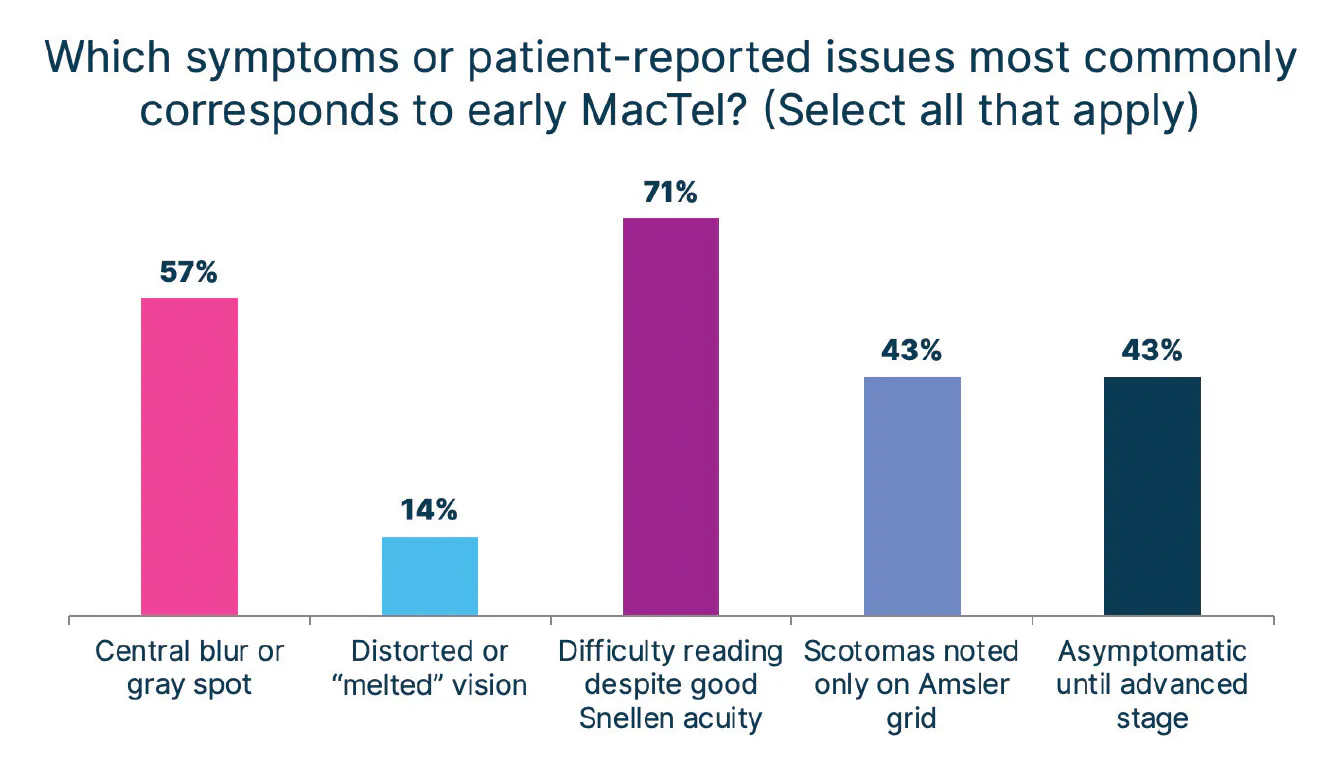
Figure 8. Nearly 75% of the expert consensus group identified difficulty reading despite good Snellen acuity as most commonly corresponding to early MacTel type 2.
Most of the group also identified contrast sensitivity (71%) and night or low-vision (71%) and some identified distance acuity (29%) as vision problems commonly reported by patients with early MacTel type 2 (Figure 9).
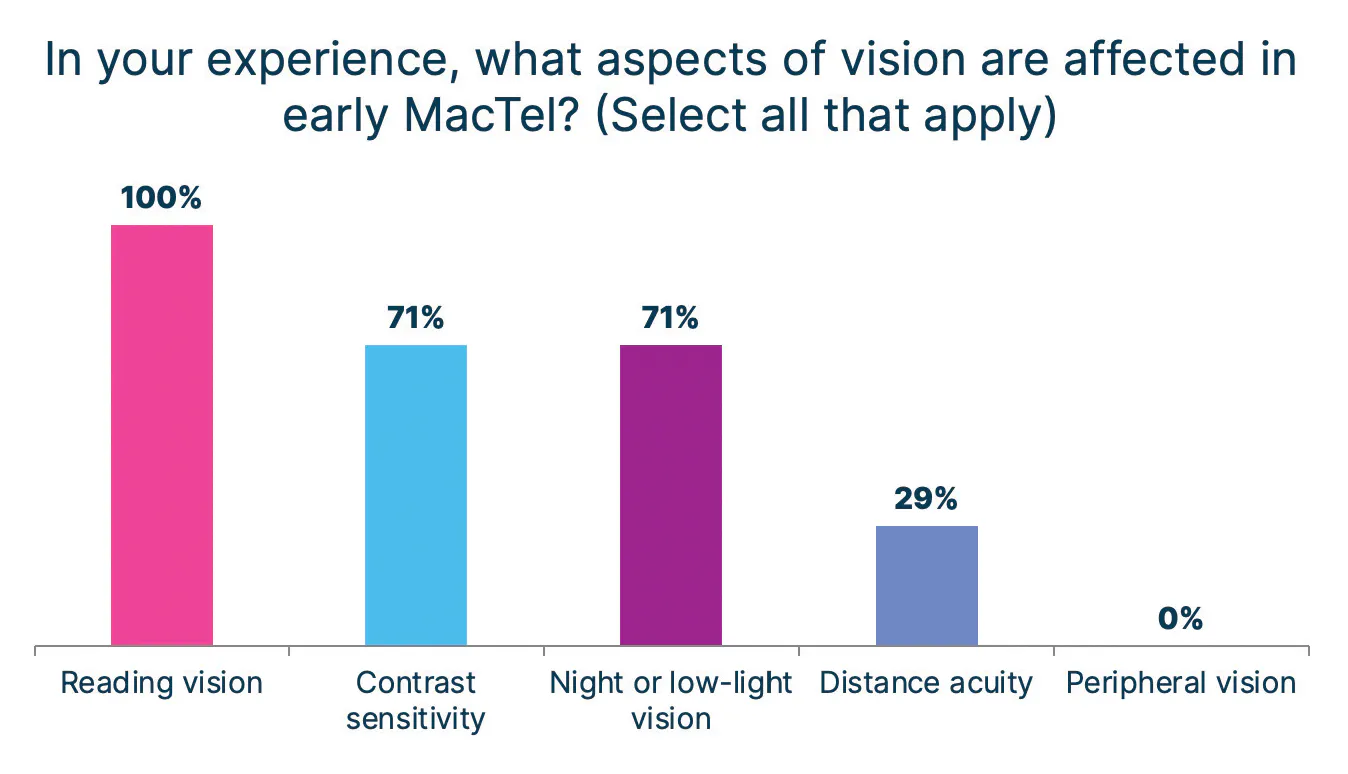
Figure 9. Reading vision, contrast sensitivity, and night or low vision were the top three patient complaints identified by the expert consensus group.
“When you hear patients complaining about … difficulty reading, difficulty in low-light situations, or following the news ticker on the bottom of the TV, it should get me to say, ‘Let me take a closer look,’ regardless of the vision measured on the eye chart in my clinic,” Dr. Goldberg said.
Dr. Eliott furthered this sentiment, “The doctor’s job is to elicit a more detailed history, including symptoms. You have to distinguish it from other diseases that cause crooked letters or wavy lines.”
Patients in early-to-moderate stages of MacTel type 2 typically present with the following:
- Reading difficulty. The most pervasive early symptom. Patients may describe seeing partial letters or missing words. Sometimes, a word may look complete except for a missing syllable in the middle. This occurs because of paracentral scotomas that reside just outside the foveal center, meaning central vision may remain clear while objects or details slightly off to either side of the center appear blurry or missing.19 It may interfere with daily tasks such as the reading of a sentence.
- Losing objects. Patients frequently report that small objects on a desk or words on a screen disappear and then reappear as they shift their gaze. This is a result of functionally debilitating paracentral scotomas.
- Metamorphopsia. Often described as melted or wavy vision, metamorphopsia may be a telltale sign of MacTel type 2 compared to the sharp distortions that patients with neovascular AMD report.
- Contrast sensitivity and night vision loss. Patients may struggle in mesopic conditions, which is particularly evident when driving at night or reading in dim light.
DIAGNOSTIC PROTOCOL: MULTIMODAL IMAGING STANDARDS
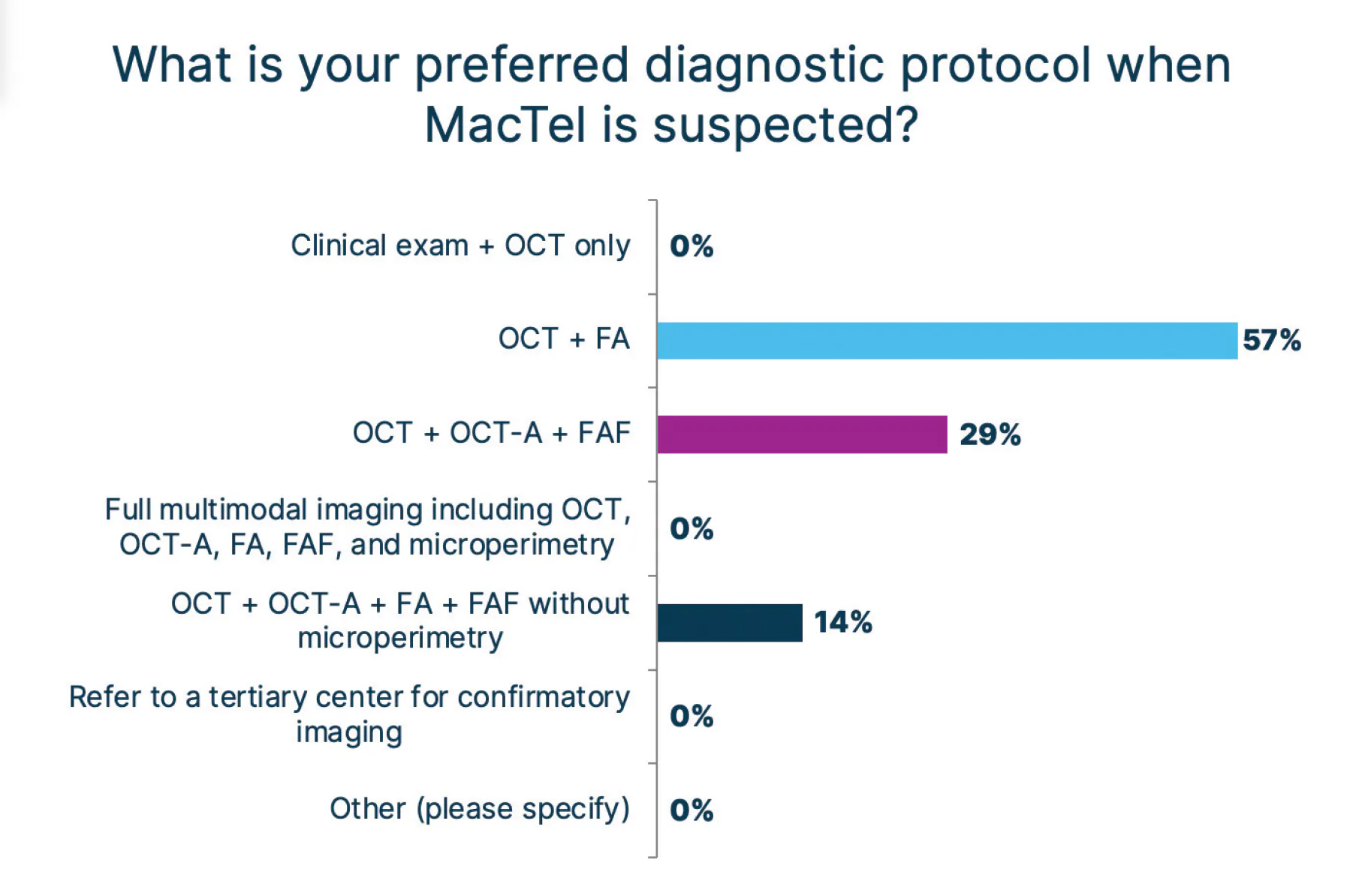
A clinical fundus exam alone is insufficient to diagnose MacTel type 2 because early signs like paracentral graying are subtle and easily missed. The MacTel Type 2 Expert Consensus Group advocated for a proactive multimodal approach once symptoms are reported. OCT is the definitive tool used by 100% of the group, with 43% also considering OCT angiography (OCT-A) and FA and 29% considering FAF as essential tools to confirm a MacTel type 2 diagnosis. The preferred diagnostic protocol for more than half (57%) of the expert consensus groups is OCT and FA, followed by OCT, OCT-A, and FAF for 29% of and OCT, OCT-A, FA, and FAF for 14% of the expert consensus group (Figure 10).
“The earliest clinical signs we can see are on retinal imaging with OCT,” Dr. Do said. “That imaging modality is noninvasive and allows us to look at the central macula.”
The expert consensus group identified four main OCT features that prompt them to consider MacTel type 2 in the differential: inner and outer retinal cavitation with preserved foveal contour (100%), cavitation with ILM draping (100%), EZ attenuation (71%), and EZ loss (71%). Additionally, OCT of the EZ showing fragmentation or complete loss is the primary structural marker of photoreceptor loss and disease progression (Figure 11).
![<p>Figure 11. Photoreceptor loss leads to functional vision loss.<br />
[Courtesy of Neurotech]</p>](https://core4-cms.imgix.net/issue-2997/0326-tfg-fig11.png?auto=compress,format)
“Now that we have OCT, we can really follow changes on a more microscopic level,” Dr. Pieramici said. “We can see the extension of the EZ loss. We can see creation of new cystic changes in the retina. We can correlate that with patient symptoms.”
A more advanced technology specifically focusing on imaging the blood vessels in the retina and choroid, OCT-A, may be useful for noting telangiectatic changes and rarified vessels in the deep capillary plexus without the need for dye. This lends itself as an excellent screening tool for early-stage disease and diagnosing it in the differential. “OCT-A right now is an adjunct to many of the other things that we do … but it’s certainly not the only test that we would do,” Dr. Bakri said.
Dr. Goldberg agreed, adding he finds OCT-A most useful as an adjunct when it’s unclear whether choroidal neovascularization has developed. On the other hand, Dr. Eliott said he sometimes uses it interchangeably with traditional OCT. “One benefit of OCT-A is it can show some of the vascular changes that we typically have relied on FA in the past. You might be able to do a noninvasive test like OCT-A to demonstrate the vascular changes,” he said, cautioning it doesn’t show the layers of the retina as detailed as traditional OCT.
One benefit of OCT-A is its use as a tool for differential diagnosis along with FA. “If a patient has diabetes, we’re going to see more diabetic changes throughout the retina,” Dr. Pieramici said. “If the patient has retinal vein occlusion, it may be more obvious on fluorescein angiography. Ruling out some of these conditions that mimic MacTel type 2 can be helpful.”
Because MacTel type 2 presents in middle-aged and older adults, it is frequently misdiagnosed as AMD. Differentiation is critical because treatments for AMD (eg, anti-VEGF or vitamins) are largely ineffective for non-neovascular MacTel type 2. “With AMD, the diagnosis is supported by the presence of drusen. If drusen are not identified, other diagnoses should be strongly considered,” Dr. Bakri said. Other nudges away from AMD and toward MacTel type 2 include characteristic cavitation, specifically in the inner layers, and draping of the ILM over the cavities. “Sometimes, just the way that the pigment drops out and the way the pigment migrates can be very important in favoring MacTel type 2,” Dr. Bakri furthered. Table 1 provides a more detailed list of comparative OCT and overall multimodal imaging of the two conditions.
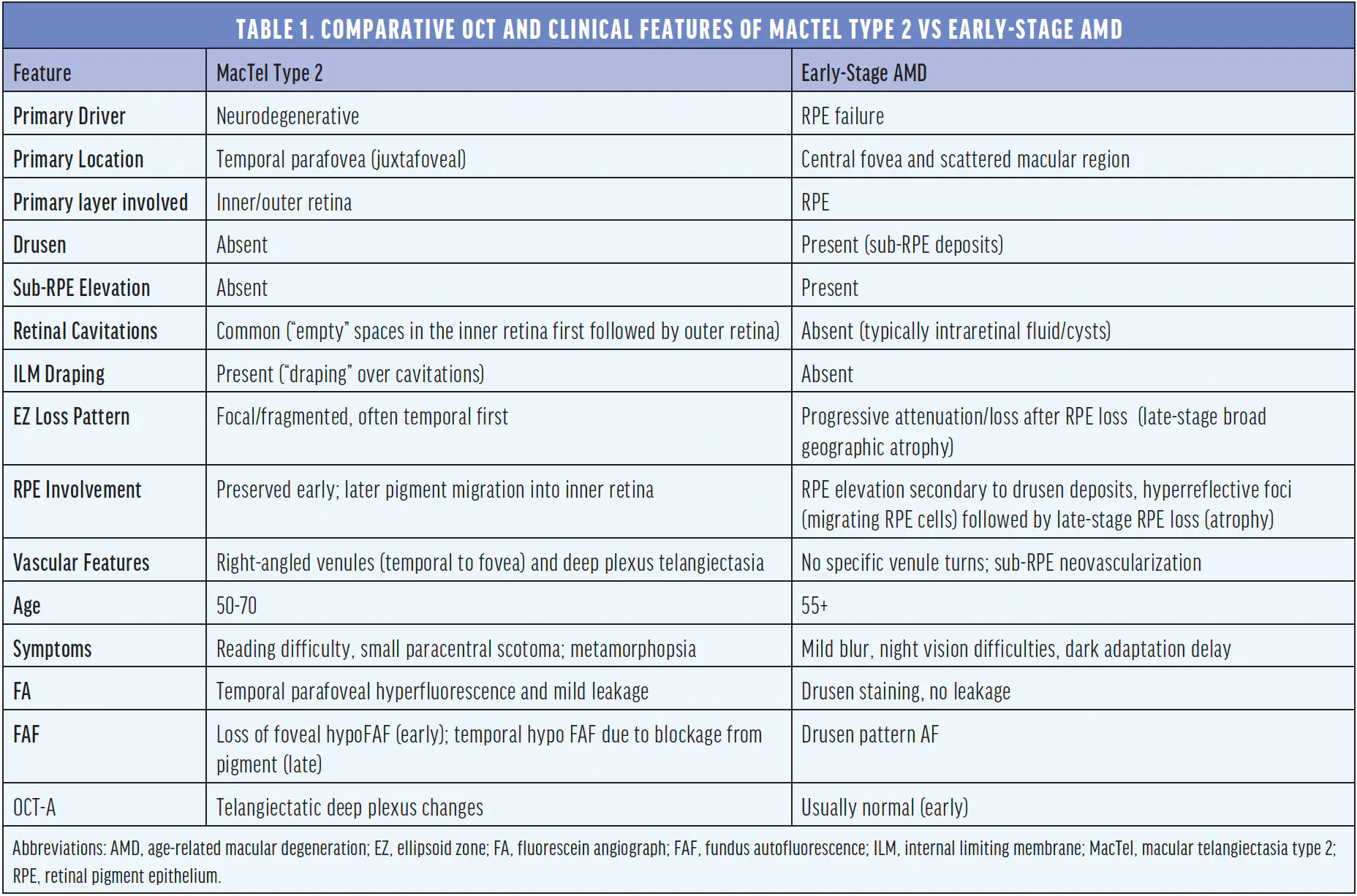
FA remains useful for evaluating the retinal vasculature in MacTel type 2, particularly in cases of diagnostic uncertainty. FA can highlight characteristic abnormalities such as right-angle venules and demonstrate early and late perifoveal hyperfluorescence.20,21 “Occasionally, patients develop neovascularization, and FA can be especially helpful in identifying that so it can be treated appropriately with anti-VEGF therapy,” Dr. Vajzovic noted.
FAF is another valuable imaging modality emphasized by the expert consensus group. FAF can reveal subtle pigmentary alterations and early loss of the normal foveal hypoautofluorescence, reflecting depletion of lutein and zeaxanthin within the macula.22 According to Dr. Vajzovic, loss of the normal foveal hypoautofluorescent signal—often extending temporal to the fovea and sometimes associated with pigment clumping—is a hallmark feature of the disease. “If you suspect MacTel type 2, obtaining FAF can be very helpful to confirm what you’re seeing,” she said.
The consensus group unanimously identified microperimetry as the most sensitive functional test (Figure 12). Its primary advantage is the ability to map localized areas of reduced sensitivity and paracentral scotomas that correspond to EZ loss rather than changes in visual acuity. However, microperimetry is not widely adopted in routine clinical practice. “It is a somewhat tedious test,” Dr. Vajzovic said, noting that longitudinal OCT imaging is often preferred in her clinic to monitor structural progression. “We continue to rely on OCT over time to assess disease progression.”
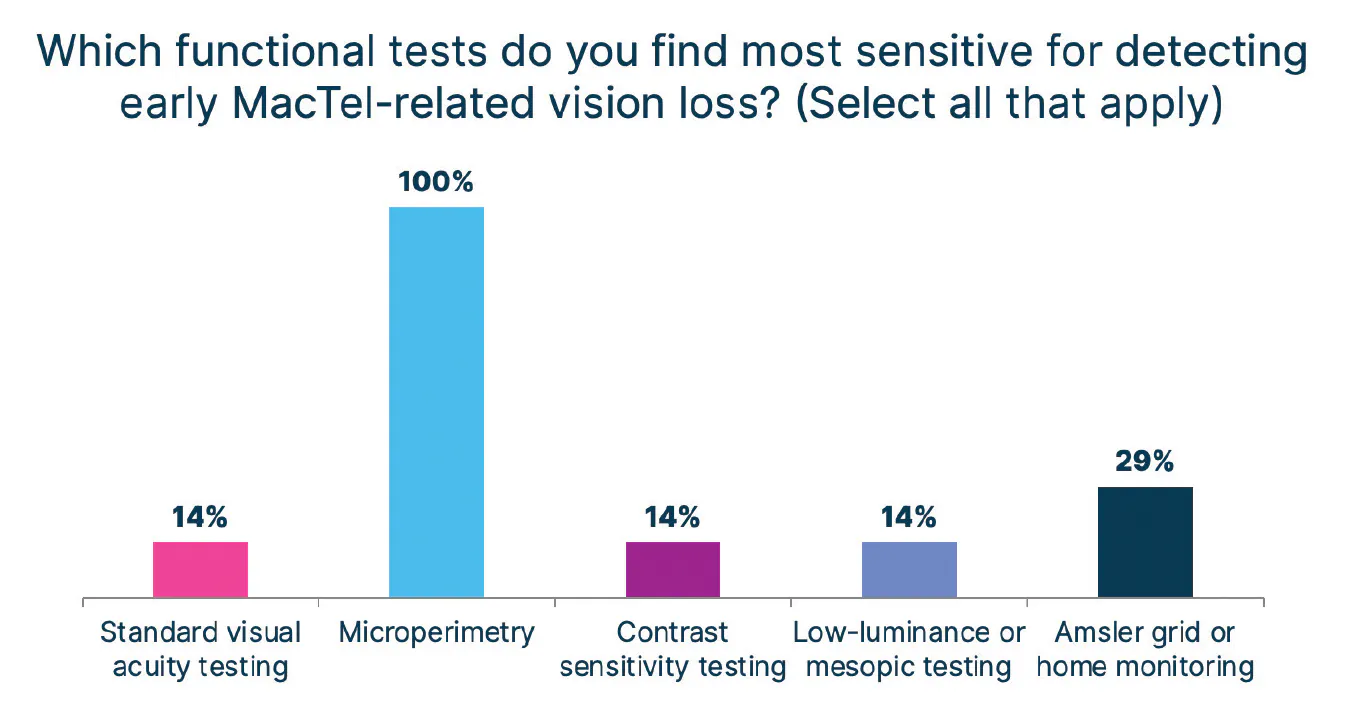
Figure 12. Microperimetry was identified by the expert consensus group as the most sensitive functional test to detect early MacTel-related vision loss.
Other less common imaging and diagnostic tests include confocal blue reflectance to identify any parafoveal areas of increased reflectance to correspond to the area of transparency loss,23 macular pigment optical density mapping to show any decrease in central macular pigment levels,24 and multifocal electroretinography to indicate inner retinal layer dysfunction resulting from abnormal Müller cell function.25-27
While acknowledging the challenges of diagnosing MacTel type 2, Dr. Goldberg also admitted it usually becomes easier over time. “It’s helpful to have seen a lot of these patients, because that’s what trains our pattern recognition,” he said. “That can be a challenge … when you haven’t started to build that kind of visual memory.”
THE THERAPEUTIC FRONTIER: ENCAPSULATED CELL THERAPY
Until recently, no real treatment was available for MacTel type 2. Eye care professionals leaned on dietary supplements and multivitamins, retinal laser procedures, and anti-VEGF agents to treat what they assumed was caused by leaking edema. With a deeper understanding of the pathophysiology,2-4 the retina community looked toward neuroprotective strategies. Currently, the most advanced treatment is the encapsulated cell therapy (ECT) implant revakinagene taroretcel-lwey/NT-501 (Encelto, Neurotech). “A therapy to protect neurons might give patients the best chance to preserve their vision,” Dr. Do said.
Dr. Pieramici added, “It’s going to reduce apoptosis in the retina and stimulate cellular proliferation and maintenance of these cells. We now have a targeted therapeutic that gets at the root cause of the disease.”
The NT-501 implant is a rice-grain–sized capsule that uses a semi-permeable membrane containing human retinal pigment epithelium (RPE) cells genetically engineered to continuously secrete CNTF directly into the vitreous. It is surgically anchored to the sclera, preventing it from migrating within the vitreous or coming into contact with the lens or the retina.
Implantation of the NT-501 device requires careful planning and precise technique to ensure long-term device stability and safety, but the procedure itself is not novel. “The surgery itself is something we’ve done for decades with other implants,” Dr. Vajzovic said. “What’s novel about it is that we’re delivering cell therapy.”
Dr. Eliott added, “The mode of delivery is fascinating. It’s like science fiction. … Retinal pigment epithelial cells are living in this little capsule, and they maintain their function because they get oxygen and nutrients through the vitreous. These cells were genetically engineered with a plasmid that releases CNTF. It’s a combined cell therapy and gene therapy approach.”
Dr. Clark described NT-501 as a power plant of cells that makes proteins. “It takes some time to get people comfortable with the intervention in and of itself. It’s certainly very different than anything we’ve offered patients in the past,” he said. “This intervention requires a fairly long-term relationship with the patient so they can truly understand the science, the medicine, as well as the disease.” Dr. Clark also emphasized the importance for conversations with patients to come from the doctor rather than other practitioners or staff. “This is still a very new procedure, [and] this is a serious decision.”
The expert consensus group unanimously agreed the primary goal of ECT is stabilization and preservation of the macular structure rather than improvement in visual acuity. In clinical trials, CNTF was shown to slow the rate of photoreceptor loss by up to 54%.28 Secondary endpoints also suggest it may slow the loss of visual function, reading speed, and retinal sensitivity.
“Phase 2 and phase 3 studies show very consistent protection against photoreceptor loss,” Dr. Goldberg said.29,30 “When you pool the functional testing in terms of microperimetry and reading speed, we see protection on a functional level—something we haven’t seen so clearly with geographic atrophy.”
Dr. Clark commented that reading speed was a key point in the clinical characteristics of patients enrolled in studies of NT-501 for the treatment of MacTel type 2. On average, patients had a 50% reduction of reading speed.29-31 He would like to see it used more routinely as a parameter for disease characterization. Although it is a subjective test dependent on the individual patient, “reading speed is an underappreciated functional tool,” Dr. Clark said. In this patient population particularly, reading speed may be used “as a comparator for an individual patient over time,” and is “an excellent way to screen these patients,” he said.
Although evidence shows patients with earlier lesions and less EZ loss respond better to ECT treatment compared to those with more advanced disease, retinal specialists are slowly learning the best time to initiate treatment for MacTel type 2. “We’re very much still in this transition phase where, in general, the patients who are being treated have more severe disease and quite frankly have less to gain from treatment,” Dr. Clark said. “But as we gain more confidence and experience with the device … I think those thresholds will come down. … Once we get through the initial confidence phase and begin to treat patients with earlier MacTel type 2, we’re going to get a much longer maintenance of good visual function.”
In clinical trials,29-31 the area of EZ loss on OCT ranged from 0.16 to 2.00 mm2. “When I see a patient with an area loss in that range, I will propose intervention,” Dr. Vajzovic said. “Most certainly, I want to see that the condition has been progressing. … I want to make sure my patient is symptomatic … I’m looking for no hyper-reflective mounds or antlers … and no pigmentary clumping … on OCT because that, unfortunately, we can’t change or reverse.”
Dr. Goldberg follows a similar approach. “One … I like there to be EZ loss or loss of photoreceptors. We know the disease tends to accelerate once that happens. Two, I like the patient to have some symptoms. … And three, I like there to be evidence of progression,” he said. “The nice thing about this treatment in particular is we’re not committing the patient to a lifetime of monthly injections in their eyes. It’s a one-and-done procedure.”
The expert consensus group favored considering treatment initiation either once structural changes are seen on OCT (57%) or once visual function begins to decline (43%) (Figure 13). The goal is to intervene before total foveal collapse occurs.
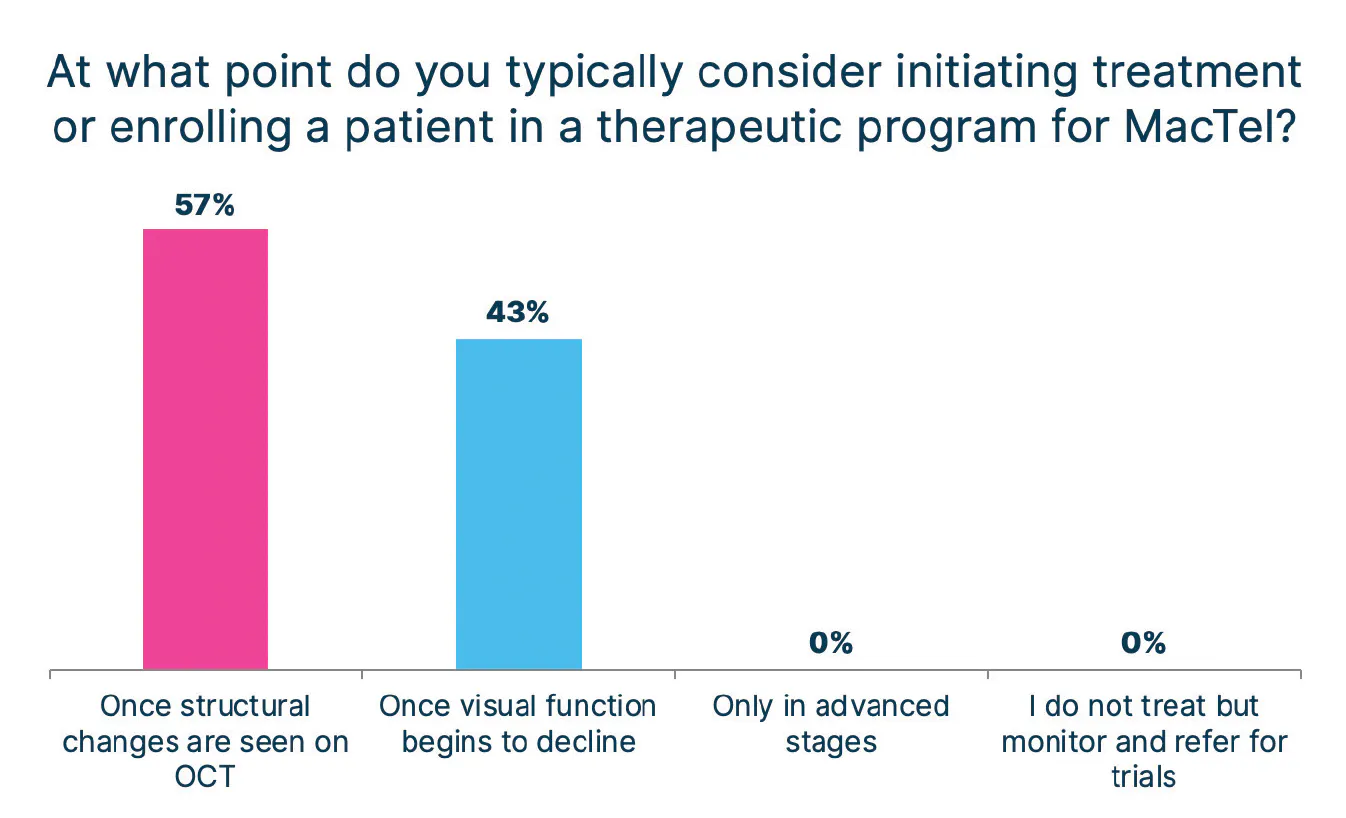
Figure 13. According to the MacTel Type 2 Expert Consensus Group, initiating treatment should be considered either once structural changes are seen on OCT or once visual function begins to decline.
“It’s harder to suggest a surgical treatment in a patient who has relatively good visual acuity. A patient who’s asymptomatic but clearly has the disease—this may be a patient we want to have a conversation with,” Dr. Pieramici said. “You see them back in a few months … and certainly, if things look like they are progressing and the patient becomes somewhat symptomatic, I’d consider doing this therapy.”
Dr. Do advises patients to pay attention to their symptoms in their everyday life, especially when they are reading and driving.
If the disease is progressing faster in one eye than the other, Dr. Pieramici suggests performing the procedure in the worse-seeing eye first as long as the vision loss is not too severe (eg, 20/200). “There will probably be some surgical decrease in the vision that will recover with time, but it may be frightening to a patient if we did their good eye to start with,” he explained.
Dr. Goldberg echoed these comments. He tells patients they may experience worse vision for a couple weeks after the procedure and mentions the potential for delayed dark adaptation and a miotic pupil.
PATIENT SELECTION, EDUCATION, AND COUNSELING
Selecting the right patients for treatment with ECT continues to be a delicate balance, and treatment is not appropriate for every patient with MacTel type 2. “Somebody with end-stage disease, I don’t think it’s going to help,” Dr. Eliott said. “You have to tailor treatment, but patients in the early to middle of their course of vision loss with obvious findings are probably best.”
It can be hard to explain disease progression to patients because it is variable. “Some patients progress a little faster than others. The two eyes may progress asymmetrically,” Dr. Eliott said. “So, it’s hard to tell a patient exactly what’s going to happen in their individual case.”
The MacTel Type 2 Expert Consensus Group use several counseling tactics. Most highlight the risk of central vision decline and potential reading difficulty (71%) and emphasize slow progression and low risk of severe blindness (57%). Almost half (43%) focus on emerging therapies and patient monitoring.
“Most of the time when patients come in to see a physician … they want their vision back to where it was before they started to have problems. This therapy is not going to do that. This therapy is also not going to stop the disease from progressing 100%, either,” Dr. Pieramici said. “You have to have a long conversation about that, because it’s a hard concept for people to understand. And patients will come back and say, ‘Gosh, doctor, I’m getting worse. What’s going on with this therapy?’ That is what’s expected.”
A robust informed consent process is therefore essential, Dr. Do said. “I have a discussion with a patient, telling them that the implant is designed to slow the progression of their neurodegenerative condition. It does not reverse what’s already been lost and it’s not designed to improve vision.”
It is common for patients to feel initial shock at their diagnosis, but several tactics help reduce their anxiety. “It’s important to give them literature. I often give them a list of credible websites they can browse and give them time to digest it,” Dr. Bakri said. “Additionally, it is important to be available for questions. There may be patients who need or request an additional appointment to discuss the diagnosis and see where they’re at.”
Showing patients their own retinal images from subsequent visits is also helpful. “That is really the objective way to show them how the retina has changed with MacTel type 2,” Dr. Do said.
Dr. Clark added, “One of the real values of FA is that it’s the type of imaging you can show a patient and they can understand the vascular changes.”
When discussing ECT as a treatment for MacTel type 2, the expert consensus group unanimously indicated they emphasize expected benefits of the procedure such as slowing disease progression and preserving photoreceptors (Figure 14). The clinical studies of NT-501 showed between a 30.6% and 54.8% reduction in disease progression at 2 years.29-31 This may help patients keep their useful vision for a much longer time than previously expected, Dr. Pieramici said. “Patients lose on average about 1 or 2 letters of visual acuity a year. In 5 years, they lose 1 line of vision. In 10 years, 2 lines.” When talking about reading and fine visual function with patients, he emphasized the importance of explaining the benefits of maintaining it as long as possible.
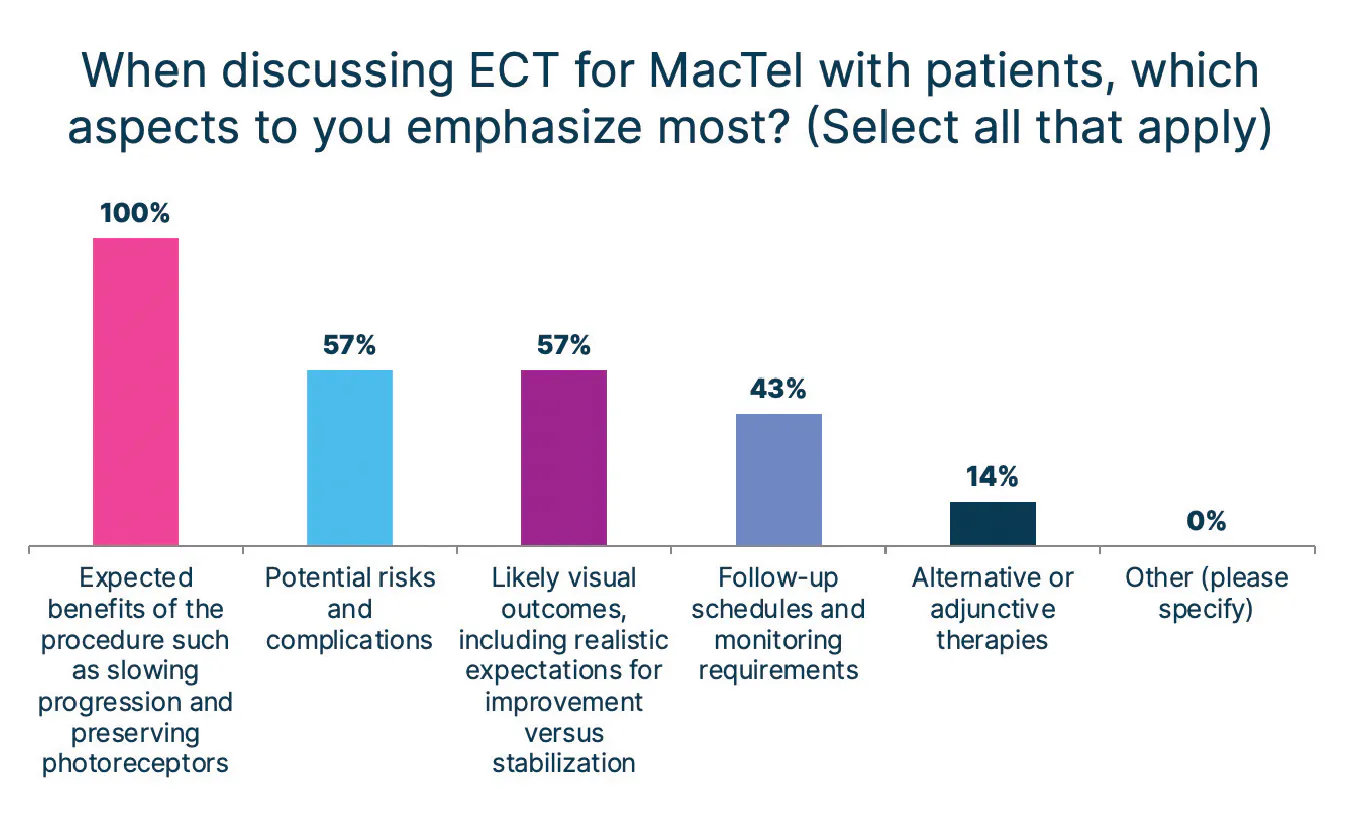
Figure 14. When discussing treatment with ECT, the expert consensus group indicated emphasis should be placed on expected benefits of the procedure.
Another important conversation to have with patients, according to 57% of the expert consensus group, is potential risks and complications. The surgical procedure “is not trivial,” Dr. Eliott said. “Patients need to understand there is a risk of infection or bleeding, although these are rare. The implant could dislodge and might require another surgery. Sometimes, the conjunctiva can break down over the sutures, and the sutures or the implant can become exposed. These are also pretty rare, but patients need to understand … these things have been reported.”
Phase 3 clinical trial data30 further inform this risk discussion. Across all patients treated with NT-501, there was no increase in serious vision loss compared with sham treatment, and serious ocular adverse events were uncommon. However, between 17% and 24% of treated patients experienced worse delayed dark adaptation compared with 0% and 2% in sham groups. Also, an increased incidence of miosis was reported in 14% to 17% of treated eyes. These findings underscore the importance of counseling patients not only about rare surgical complications but also about the more common functional visual changes that may affect night vision and pupil dynamics following treatment.
Explaining likely visual outcomes, including realistic expectations for improvement versus stabilization, is also emphasized by 57% of the expert consensus group, as is follow-up schedules and monitoring requirements (43%) and alternative or adjunctive therapies (14%).
“False expectations are going to be unhappy for both of us,” Dr. Vajzovic said. “I express that this is going to help slow down but not change [their vision loss].”
It’s important to remember that patient motivation is often the deciding factor for undergoing a treatment or procedure, Dr. Bakri said. “There have been a lot of preclinical data showing, first of all, that the CNTF protein stimulates the Müller cells to produce neuroprotective factors. The second thing is, encapsulated cell technology has been shown to enable continuous delivery of CNTF to the retina over a long period of time. I think those data points combined give us excellent confidence,” she said, adding that physician confidence in the procedure, technology, and outcomes must be conveyed to patients.
Dr. Goldberg finds it helpful to first educate patients about NT-501 at the time of diagnosis. “I might say, ‘You don’t need this yet, but rest assured that there is a treatment available, and we’re going to continue to follow you to figure out when is the right time for you.’ I like offering that tidbit of hope at the outset.”
Although it is unknown how long an ECT implant may continue providing a therapeutic effect, some study results point to at least 14.5 years.32 “There have been other clinical trials that looked at retinitis pigmentosa and the use of CNTF. And in those patients, the implants were removed up to 14.5 years later and measured in the laboratory and found to still have viable cells producing the CNTF at adequate levels,” Dr. Pieramici said.
BRIDGING PRACTICE GAPS
Despite the severity of the condition, MacTel type 2 remains underdiagnosed.7,8 Almost three-quarters (71%) of the expert consensus group believe MacTel is misdiagnosed in up to half of cases in general practice. To bridge this gap, education must focus on three key factors.
- No. 1: Diagnostic incidence. While less common than AMD, the prevalence of MacTel type 2 in older populations may be as high as 0.1%,7 meaning it is encountered regularly in high-volume clinics.
- Management of complications. While non-neovascular MacTel type 2 does not respond to anti-VEGF treatment, approximately 10% to 15% of patients develop subretinal neovascularization.33-36 In these cases, the consensus is to treat each condition independently using anti-VEGF for the vascular component while pursuing neuroprotection for the underlying MacTel.
- Communication. Retinal specialists should emphasize to patients that while the disease is slowly progressive, the loss of reading ability is a major risk. Setting realistic expectations for emerging therapies like ECT and focusing on preservation rather than a cure is essential for patient satisfaction.
CONCLUSION
MacTel type 2 is no longer a vascular mystery but a well-defined neurodegenerative disorder with clear metabolic underpinnings. The shift toward treating the disease as a dysfunction of Müller cells with subsequent loss of photoreceptors has paved the way for neuroprotective interventions that promise to change the natural history of the disease.
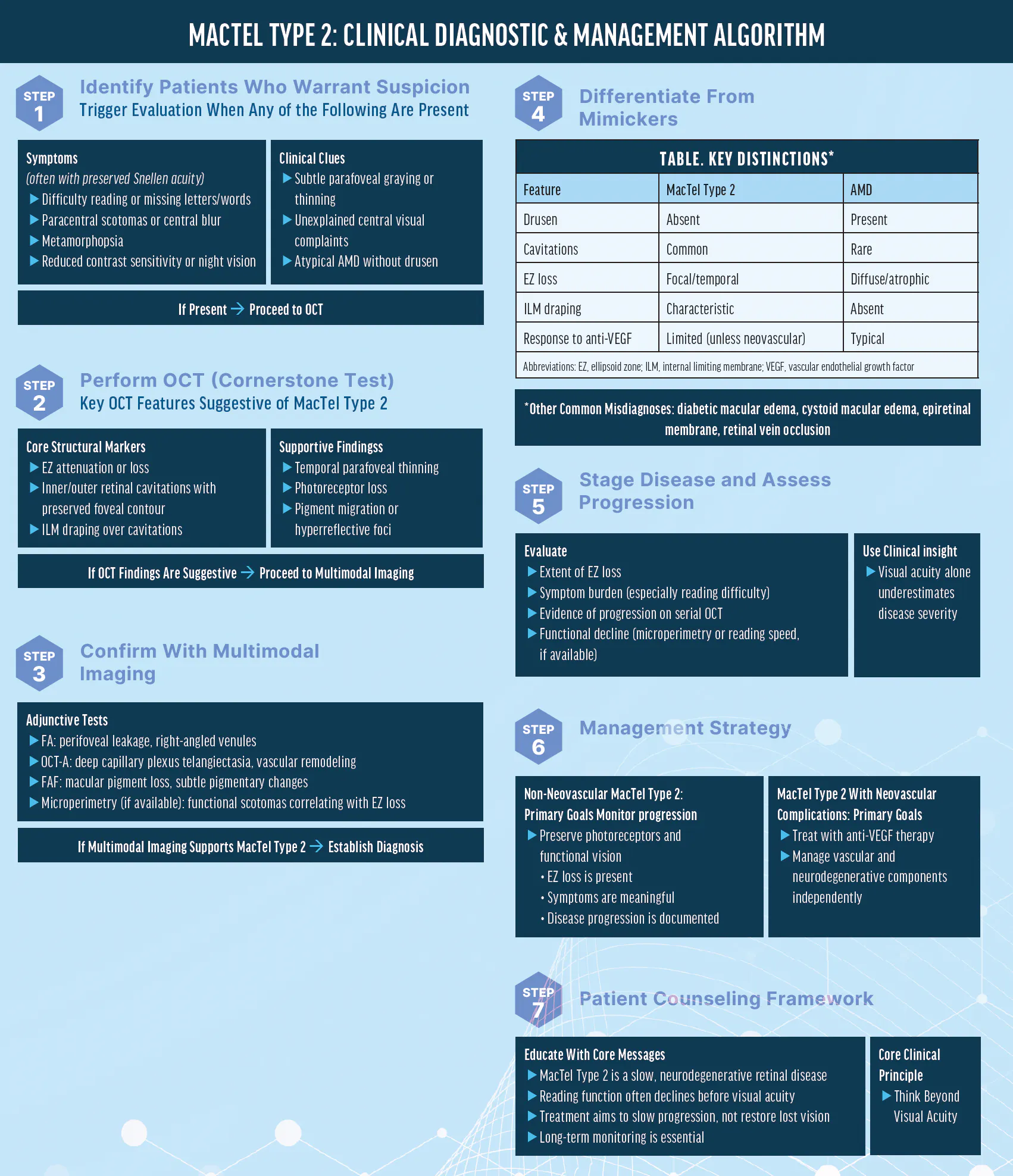
Retinal physicians as well as the optometrists and ophthalmologists who refer patients must consider integrating a multimodal diagnostic protocol to detect MacTel type 2 and understand how to recognize early functional symptoms beyond Snellen acuity with advanced imaging technologies such as OCT, OCT-A, FA, and FAF. With help from the MacTel Type 2 Expert Consensus Group, a clinical diagnostic and management algorithm was created to aid clinicians in the decision-making pathway for these patients (see MacTel Type 2: Clinical Diagnostic & Management Algorithm). Using the strategies outlined here, the ophthalmology and specifically the retina community may identify more patients with MacTel type 2 in the pivotal window where vision-saving intervention is possible.
The content is supplied by The Fundingsland Group. The views and opinions expressed here may not necessarily represent those of Bryn Mawr Communications or Retina Today.
1. Clemons TE, Gillies MC, Chew EY, et al; for the Macular Telangiectasia Project Research Group. Medical characteristics of patients with macular telangiectasia type 2 (MacTel type 2): MacTel Project Report No. 3. Ophthalmic Epidemiol. 2013;20(2):109-113.
2. CL Zucker, Bernstein PS, Schalek RL, Dowling JE. A connectomics approach to understanding a retinal disease. Proc Natl Acad Sci U S A. 2020;117:18780.
3. Wu L. Unraveling the mysteries of macular telangiectasia 2: the intersection of philanthropy, multimodal imaging and molecular genetics. The 2022 founders lecture of the Pan American Vitreoretinal Society. Int J Retina Vitreous. 2023;9:69.
4. Charbel Issa P, Gillies MC, Chew EY, et al. Macular telangiectasia type 2. Prog Retin Eye Res. 2013;34:49-77.
5. Klein R, Blodi BA, Meuer SM, et al. The prevalence of macular telangiectasia type 2 in the Beaver Dam eye study. Am J Ophthalmol. 2010;150(1):55-62.e2
6. United States Census Bureau. Populations and People. Accessed January 2026.
7. Kunčič A, Urbancic M, Divjak DD, Hundler P, Debeljak N. Genetic background of macular telangiectasia type 2. Int J Mol Sci. 2025;26:684.
8. Charbel Issa P, Gillies MC, Chew EY, et al. Macular telangiectasia type 2. Prog Retin Eye Res. 2013;34:49-77.
9. Heeren TFC, Holz FG, Charlbel Issa P. First symptoms and their age of onset in macular telangiectasia type 2. Retina. 2014;34:916-919.
10. Simunovic MP, Gillies MC. Impairments of L-cone/M-cone and S-cone-mediated color discrimination in macular telangiectasia type II. Retina. 2022;42:576-580.
11. Heeren TFC, Chew EY, Clemons T, et al. Macular telangiectasia type 2: visual acuity, disease end stage, and the MacTel area: MacTel Project Report Number 8. Ophthalmology. 2020;127:1539-1548.
12. Tworig JM, Feller MB. Müller gila in retinal development: from specification to circuit integration. Front Neural Circuits. 2022;15:815923.
13. Ong JX, Zandi R, Fawzi AA. Early-stage macular telangiectasia type 2 vascular abnormalities are associated with interdigitation zone disruption. PLoS One. 2021;16(11):e0259811.
14. Venkatesh R, Agrawal S, Reddy NG, et al. Characteristics of retinal pigment clumps in type 2 macular telangiectasia (MacTel). Eye (Lond). 2023;37:1061-1066.
15. Gantner M, Wallace M, Fallon R, et al. Reduced systemic serine levels lead to retinal defects in a mouse model of MacTel. Invest Ophthalmol Vis Sci. 2019;60:4954.
16. Conedera FM, Enzmann V. Regenerative capacity of Müller cells and their modulation as a tool to treat retinal degeneration. Neural Regen Res. 2022;18(10):139-140.
17. Shpak AA, Guekht AB, Druzhkova TA, Kozlova KI, Gulyaeva NV. Ciliary neurotrophic factor in patients with primary open-angle glaucoma and age-related cataract. Mol Vis. 2017;23:799-809.
18. Peto T, Heeren TFC, Clemons TE, et at. Correlation of clinical and structural progression with visual acuity loss in macular telangiectasia type 2: MacTel Project report no. 6–the MacTel Research Group. Retina. 2018;38(Suppl 1):S8-S13.
19. Paracentral scotoma: causes, symptoms, and management. Biology Insights. August 5, 2025. Accessed January 27, 2026. https://biologyinsights.com/paracentral-scotoma-causes-symptoms-and-management/
20. Venkatesh R, Reddy NG, Mishra P, et al. The preproliferative stage in type 2 macular telangiectasia (MacTel type 2). Graefes Arch Clin Exp Ophthalmol. 2022;260(1):121-132.
21. Solberg Y, Dysli C, Wolf S, Zinkernagel MS. Fluorescence lifetime patterns in macular telangiectasia type 2. Retina. 2020;40(1):99-108.
22. Sharief S, Venkatesh R, Mangla R, Chhablani J. Timing of ocular examination and retinal imaging for the diagnosis of type 2 macular telangiectasia (MacTel). Euro J Ophthalmol. 2023;33(6):NP79-NP81.
23. Venkatesh R, Pereira A, Bavaharan B, et al. Relevance of multicolor imaging in type 2 macular telangiectasia. J Curr Ophthalmol. 2020;32(4):375-380.
24. Srinivasan R, Teussink MM, Sloan KR, et al. Distribution of macular pigments in macular telangiectasia type 2 and correlation with optical coherence tomography characteristics and visual acuity. BMC Ophthalmol. 2022;22(1):264.
25. Okada M, Robson AG, Egan CA, et al. Electrophysiological characterization of macular telangiectasia type 2 and structure–function correlation. Retina. 2018;38:S33-S42.
26. Goel N, Kumari A, Kumar S, Mehta A. Multifocal electroretinography in patients with macular telangiectasia type 2. Documenta Ophthalmologica. 2020;141(1):15-21.
27. Ledolter AA, Ristl R, Palmowski‐Wolfe AM, et al. Macular telangiectasia type 2: multimodal assessment of retinal function and microstructure. Acta Ophthalmologica. 2022;100(6):e1240-e1252.
28. Sudharsan R, Beiting DP, Aguirre GD, Beltran WA. Involvement of innate immune system in late stages of inherited photoreceptor degeneration. Nature. 2017;7:17897.
29. Goldberg RA. Pooled visual function data of neurotrophic factor–producing revakinagene taroretcel in people with macular telangiectasia type 2. Paper presented at: Retina Subspeciality Day, AAO Annual Meeting (Chicago); October 19, 2024.
30. Chew EY, Gillies M, Jaffe GJ, et al. Cell-based ciliary neurotrophic factor therapy for macular telangiectasia type 2. NEJM Evid. 2025;4(8):EVIDoa24000481.
31. Chew EY, Clemons TE, Peto T, et al. Ciliary neurotrophic factor for macular telangiectasia type 2: results from a phase 1 safety trial. Am J Ophthalmol. 2015;159(4):659-666e1.
32. Kauper K, Nystuem A, Orecchio L, et al. Long-term durability of ciliary neurotrophic factor-releasing revakinagene taroretcel-lwey in individuals with retinal degenerative disorders. Invest Ophthalmol Vis Sci. 2025;66(11):3.
33. Tzaridis S, Wintergerst MWM, Mai C, et al. Quantification of retinal and choriocapillaris perfusion in different stages of macular telangiectasia type 2. Invest Ophthalmol Vis Sci. 2019;60(10):3556-3562.
34. Breazzano MP, Yannuzzi LA, Spaide RF. Characterizing retinal-choroidal anastomosis in macular telangiectasia type 2 with optical coherence tomography angiography. Retina. 2020;40(1):92-98.
35. Breazzano MP, Yannuzzi LA, Spaide RF. Genesis of retinal-choroidal anastomosis in macular telangiectasia type 2: a longitudinal analysis. Retina. 2021;41(3):464-470.
36. Tzaridis S, Heeren T, Mai C, et al. Right-angled vessels in macular telangiectasia type 2. Br J Ophthalmol. 2021;105(9):1289-1296.
