



The 25th Annual Fellows Forum, held in Chicago, January 24-25, 2025, provided a platform for second-year retina fellows to navigate the transition to independent practice, refine surgical techniques, and tackle the complexities of disease management. This annual meeting also fosters mentorship, collaboration, and professional growth. Hosted by Carl C. Awh, MD, FASRS; David R. Chow, MD, FASRS; and Tarek S. Hassan, MD, FASRS, the forum includes expert faculty who aim to strengthen professional relationships and facilitate meaningful knowledge exchange (Figure 1). Beyond the sessions, the meeting also provides invaluable opportunities for fellows to network with peers, engage with faculty, and build lasting connections.
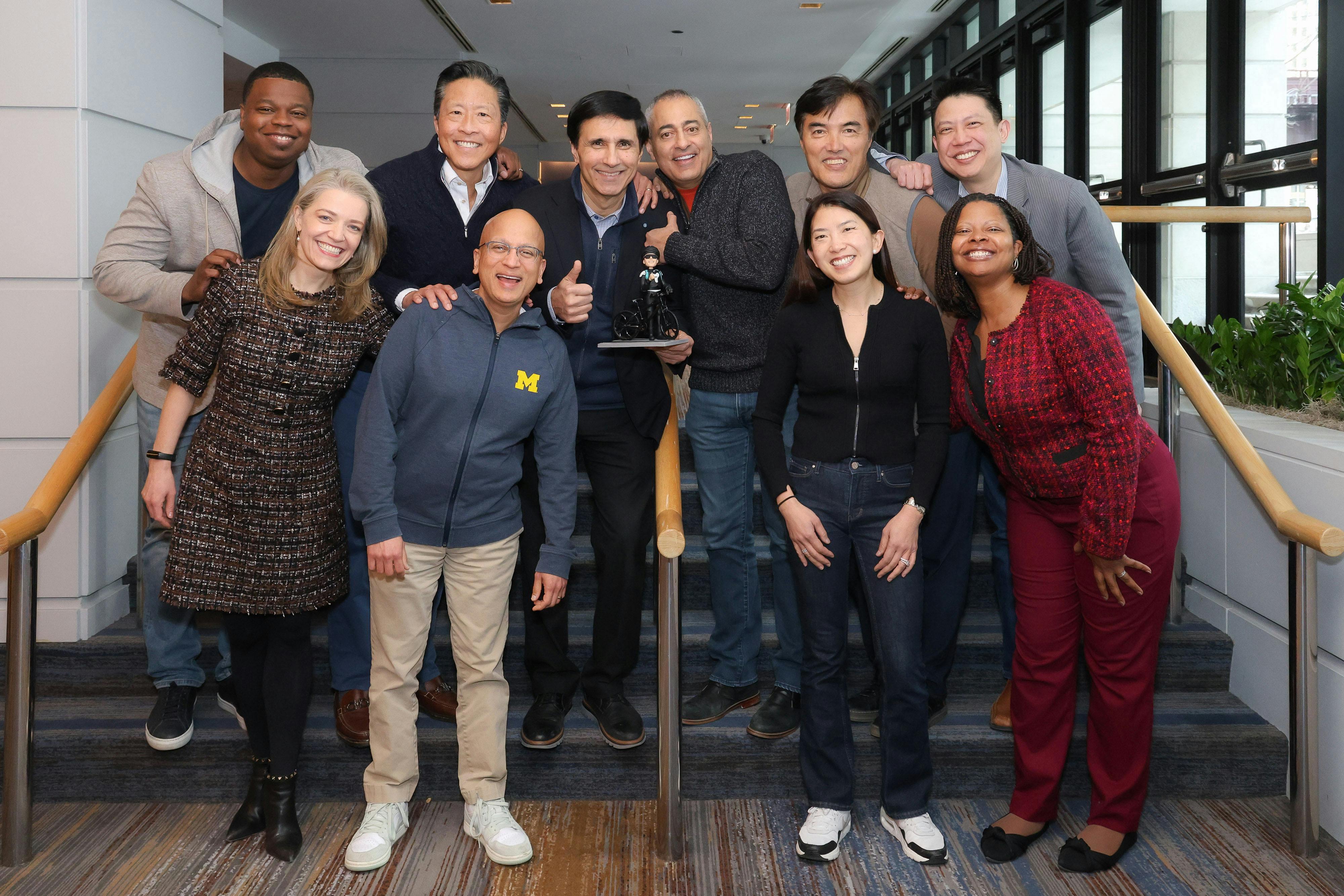
Figure 1. The 2025 Fellows Forum faculty gathered to celebrate Dr. Humayun, this year’s distinguished guest speaker.
INNOVATIONS IN RETINA
This year’s distinguished guest speaker, Mark S. Humayun, MD, PhD, set the tone with an inspiring address on the future of the field, emphasizing the need for forward-thinking approaches and technological advances. Rather than a traditional lecture, he led a brainstorming session, during which he encouraged the fellows to conceptualize groundbreaking ideas, such as scleral nerve denervation, radio frequency identification-integrated safety systems, and advanced tamponade agents (Figure 2). The interactive session underscored the importance of innovation and creative problem-solving in shaping the field.
The meeting also showcased emerging therapies in retina care. Adrienne W. Scott, MD, explored the newest approaches to wet AMD treatment, such as faricimab (Vabysmo, Genentech/Roche), 8 mg aflibercept (Eylea HD, Regeneron), and the port delivery system with ranibizumab (Susvimo, Genentech). The panelists discussed the complicated decision of when to switch patients to a newer agent. For example, Margaret A. Chang, MD, noted that she used to stick with the same agent for a long time, but now she is quicker to make a change. The group also explored the biosimilar space, with Sunir J. Garg, MD, explaining that step therapy is likely to dictate much of their use.
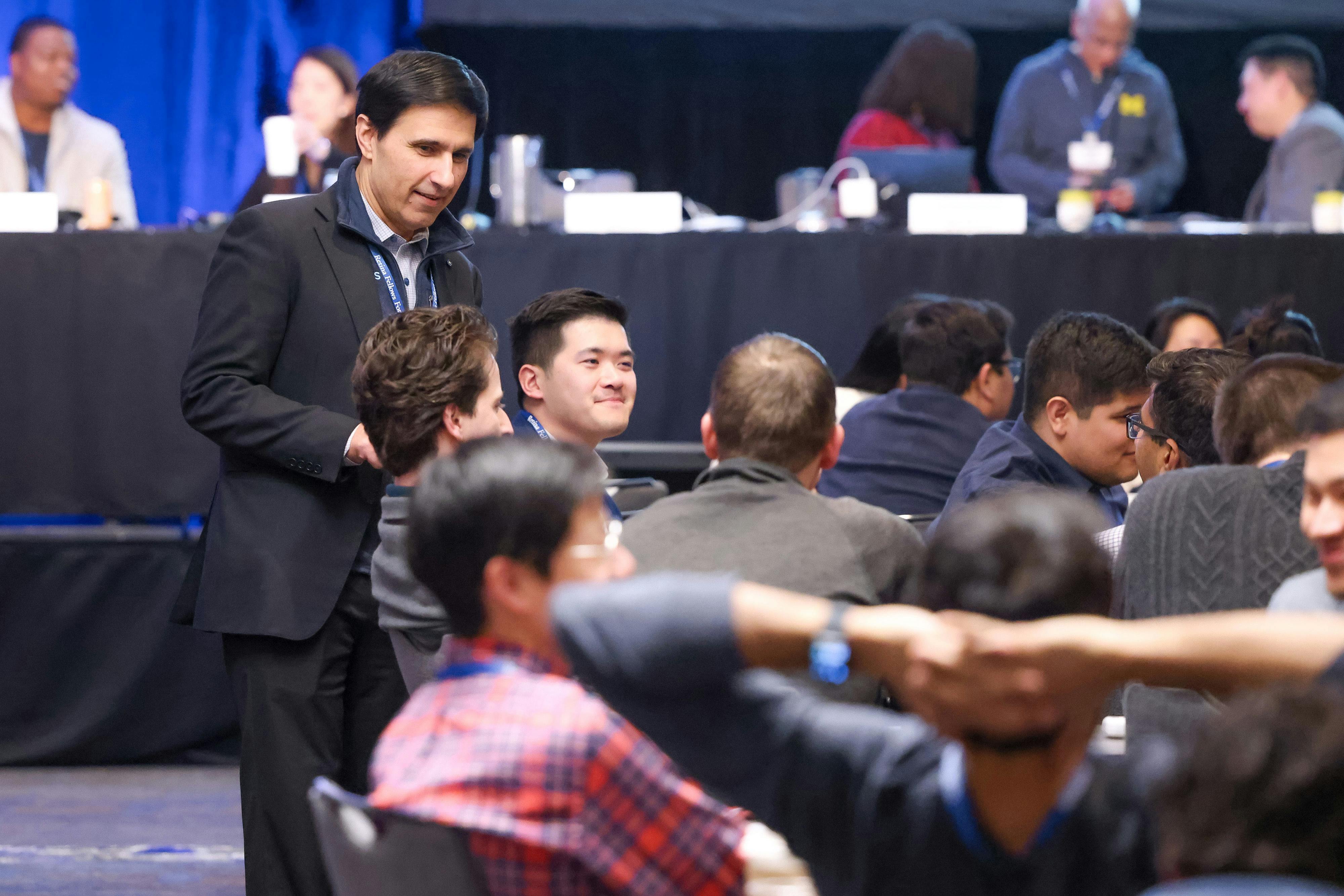
Figure 2. Dr. Humayun encouraged attendees to brainstorm innovations in a small-group format and then share their ideas with the room.
EXPERT SURGICAL ADVICE
Several talks focused on surgical tips and tricks, starting with a surgical video panel led by Dr. Garg. He showed a scleral buckle revision surgery in the eye of an 11-year-old boy, performed by Emmanuel Y. Chang, MD, PhD, who then discussed the unique challenges of performing vitrectomy in pediatric patients, such as a formed vitreous. The panel agreed that fellows should seek more experience with scleral buckling—an important surgical approach that is falling out of favor. The panel then tackled sickle cell retinopathy (with a case by Dr. Scott), retinoschisis retinal detachment with an outer retinal hole (shared by Aleksandra Ratchitskaya, MD), and a full-thickness macular hole case (provided by Dr. Awh).
Later in the day, Dr. Emmanuel Chang presented on the surgical management of AMD and shared his subretinal tPA tips to address submacular hemorrhages. The panel discussed pearls for subretinal bleb placement, including the need to create a steady drip with the infusion and find the right pressure for the injection. Dr. Garg added that fellows should consider photodynamic therapy for patients with polypoidal choroidal vasculopathy because it might help extend their anti-VEGF treatment intervals.
Dr. Hassan tackled surgical management of diabetic retinopathy, with the panel first agreeing that you should use imaging to get patient buy-in to improve treatment adherence. As for the surgeries themselves, always try to lift the hyaloid and remove as much traction as possible, Dr. Hassan noted. These days, most of the panelists aren’t waiting as long before taking these patients to the OR, particularly if the patient has a premacular hemorrhage, according to Dr. Awh. Still, Dr. Chang suggested sending some patients home with information and an amsler grid to help them better understand the condition before rushing to the OR.
SURGICAL CASE INSIGHTS
During the fellow case presentations, attendees had the chance to showcase and analyze their complex surgical cases. In the first case session, Jake Anderson, MD, described the viscostretch technique for recurrent macular hole, David Fell, MD, discussed a case of globe perforation with peribulbar block, Vaishnavi Balendiran, MD, shared her experience explanting a capsular tension ring, and Adrienne Coche, MD, walked attendees through her approach to managing surgical visualization difficulties. In the second session, Blake H. Fortes, MD, provided a video on subretinal tPA complications, Peter W. Jones, MD, PhD, discussed the differentials for panuveitis, Mustafa Iftikhar, MD, described the satisfying removal of a transscleral subretinal band, and Akshay R. Mentreddy, DO, shared a wild video of intraocular foreign body removal and amniotic membrane graft placement. Throughout the sessions, the faculty provided expert perspectives on each approach, offering praise for a job well done and tips for optimizing the surgical techniques.
BUSINESS 101
In addition to clinical pearls, Dr. Margaret Chang also provided a robust discussion on the business of retina, during which she walked attendees through a practice’s revenue cycle. She focused on the billing and coding steps that are necessary to get paid and touched on the common revenue cycle pitfalls to avoid. Dr. Chang also took a close look at drug inventory management, noting that physicians should try to get a volume discount or bulk rebate; smaller practices looking to mitigate drug cost can consider joining a group purchasing organization, which often provides cheaper drug prices and inventory software but requires a contract (read it carefully!), membership fees, and administration fees.
NAVIGATING CAREER AND PROFESSIONAL DEVELOPMENT
Beyond the surgical and clinical expertise shared during the meeting, the faculty also addressed professional and personal development in the field of retina. Faculty-led discussions covered essential topics such as work-life balance, financial planning, and career advances, highlighting the importance of building strong professional relationships and making strategic financial decisions.
Speakers shared insights on navigating early career challenges and reflected on the lasting effect of fellowship connections. This theme was particularly meaningful as the forum celebrated its 25th anniversary, showcasing the enduring bonds between its hosts—Drs. Awh, Chow, and Hassan—whose relationships extend beyond the meeting and into their personal lives. Fellows were encouraged to continue fostering their own relationships, as the professional and personal connections made during training often play a vital role in their long-term careers.
NETWORKING AND FELLOWSHIP
Between sessions, attendees engaged in lively discussions over meals, exchanged experiences about their training programs, and strengthened friendships that will carry forward into their professional careers. The event was capped off with a fun and engaging trivia competition and a bowling night, providing relaxed and enjoyable ways for fellows to bond outside the conference room. These activities added an element of camaraderie, reinforcing the sense of community that Fellows Forum has fostered over the years.
The 2025 Fellows Forum successfully blended technical expertise with professional mentorship, equipping attendees with essential knowledge and practical insights. By bridging the gap between experienced specialists and early-career retina surgeons, the forum reinforced the importance of mentorship, innovation, and continuous learning in advancing retina care. Just as importantly, it provided a meaningful opportunity for fellows to connect, collaborate, and build lasting friendships, ensuring that the relationships formed during this pivotal time in their careers will continue well into the future.
Save the date for the 26th Annual Fellows Forum, scheduled for January 30-31, 2026, in Chicago!


