When I joined Foundation Fighting Blindness in 2004, the research underway for inherited retinal diseases (IRDs) was compelling. Our community was particularly encouraged by the dramatic vision restoration for dogs born blind from Leber congenital amaurosis (biallelic RPE65 mutations) made possible by a groundbreaking gene augmentation therapy.1
However, with virtually all IRD research in animals at the time, I wondered if and when these cutting-edge therapies would move into clinical trials. Could we halt or reverse blindness in humans as well? Did retina specialists have a better message for IRD patients other than to go home, get a cane, and learn Braille? “Sorry, there’s nothing we can do,” was the common, hopeless refrain.
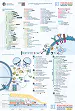
Fast forward to today, and the progress in IRD treatment development has been remarkable. More than 30 clinical trials are now underway for vision-saving and vision-restoring therapies (see Gene Therapy for Inherited Retina Disease: The Pipeline). Even more impressive is the commercial investment in the IRD space; at least 40 companies are now investing in the development of IRD treatments.
With these advances, my early concerns have turned into excitement. When I present the latest IRD research, I never have enough time to cover all the studies, and most of my research articles now cover developments in clinical trials in human (as opposed to mouse) studies.
Today, when most patients with IRDs visit their retina specialist, the message is one of hope and promise. There’s a path forward. While we have only one approved therapy—the RPE65 gene therapy that worked so well in dogs—several treatments in late-stage clinical trials are showing promising safety and efficacy.
I am particularly excited about gene-agnostic approaches, which are designed to work regardless of the patient’s genetic profile. One such approach, optogenetics, is restoring vision for patients who have lost virtually all their photoreceptors. Four companies are now in clinical trials for this approach.
In addition to communicating hope, eye care professionals should also be ordering genetic testing for their patients with IRDs. By identifying the mutated gene, which occurs in about 60% to 70% of cases,2 doctors can confirm the diagnosis, better understand familial risk, and guide patients toward relevant clinical trials. Foundation Fighting Blindness offers no-cost genetic testing, which has been ordered for more than 27,000 patients since 2017. Once tested, patients are put into the My Retina Tracker Registry, which can notify them of relevant clinical trials. (A registrant’s privacy is always protected, and personal information is never divulged to companies or researchers.) More than 40,000 people are currently in the registry.3
Certainly, there are headwinds for IRD research. To gain more approvals, we need more sensitive and precise outcome measures for evaluating therapeutic efficacy in clinical trials. Also, the investment climate for biomedical research, especially for startups, has been challenging since the COVID-19 pandemic. Finally, potential changes in federal policy and research funding could have detrimental effects on our progress.
Nonetheless, when I think about the progress we’ve made over the last 2 decades, I can’t help but be optimistic. Our momentum remains strong despite myriad challenges. More treatments for IRDs will cross the finish line. And that’s a hopeful message to deliver to patients and their families.
MORE RESOURCES
Foundation Fighting Blindness provides important educational resources for you and your patients, including disease state education, genetic testing, and clinical trials. Check it out at www.fightingblindness.org.
1. UF Health. In gene therapy first, scientists restore vision to dogs born blind. April 25, 2001. Accessed April 21, 2025. bit.ly/451Xq4K
2. Weisschuh N, Mayer AK, Strom TM, et al. Mutation detection in patients with retinal dystrophies using targeted next generation sequencing. PLoS One. 2016;11(1):e0145951.
3. Foundation Fighting Blindness, Clinical Enrollment join forces to launch patient-centric trial matching initiative [press release]. Foundation Fighting Blindness. April 10, 2025. Accessed April 21, 2025. bit.ly/43RbixA