


The 13th annual Vit-Buckle Society (VBS) meeting, held March 20 – 22, 2025, in Austin, kicked off with a day for fellows, medical students, and residents. Here, we share some of the highlights from the programming filled with education and networking (Figure).
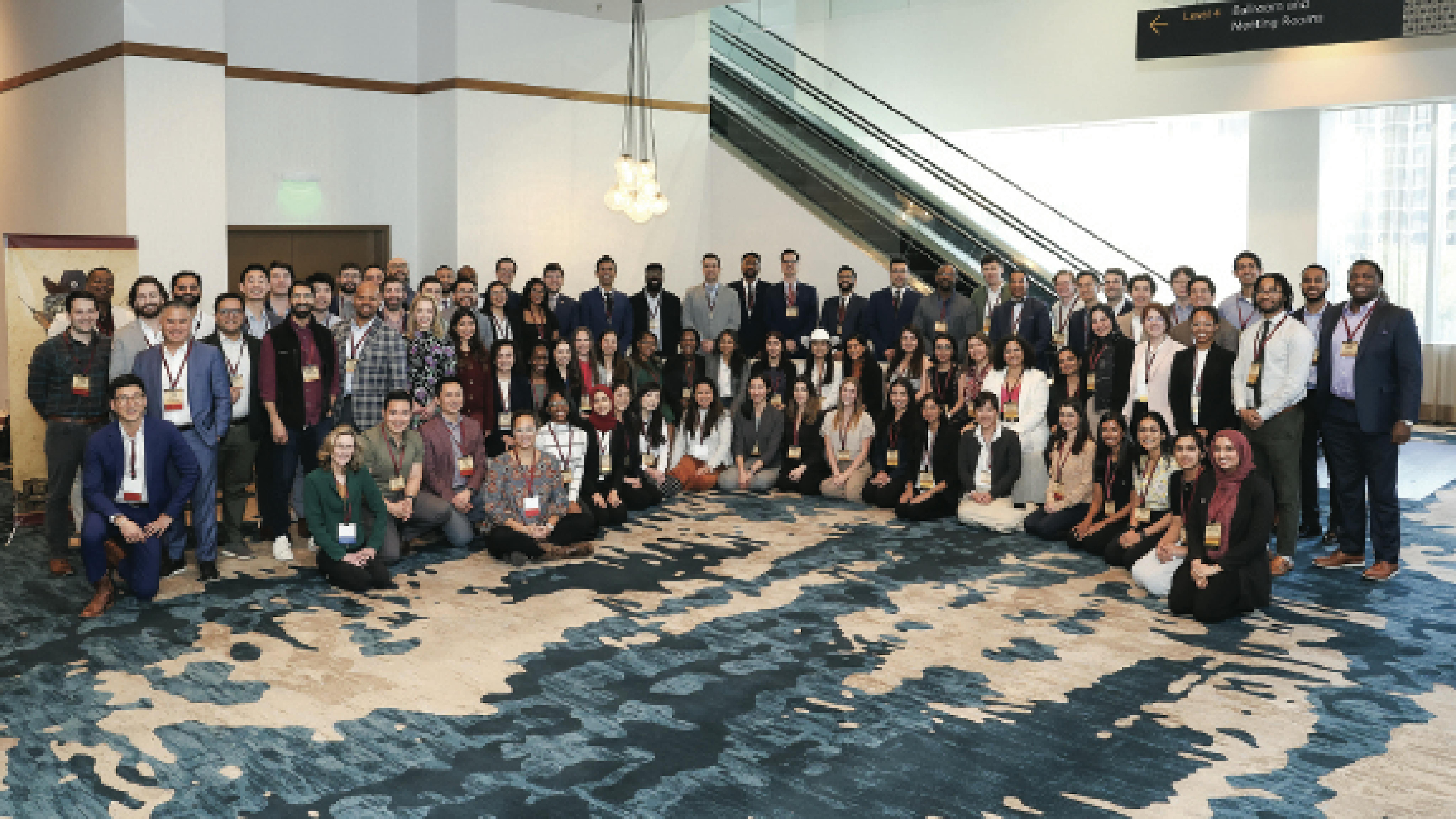
Figure. The Fellows and FOCUS Program participants gathered to network after a full day of education ranging from financial pearls to building resilience—and everything in between. Image courtesy of Kevin Caldwell Photography.
MORNING EDUCATION
Before breaking into the Fellows’ Program and the FOstering Careers for Underrepresented Stars (FOCUS) Program in the afternoon, all attendees gathered for a few sessions. An important and consistent theme throughout the day was mentorship to help trainees advance their careers. Financial literacy, often overlooked within the medical field, took center stage with Nikisha Kothari, MD, who offered wisdom on managing personal finances at all levels of training. This session provided useful real-world insights such as how to tackle debt, save money as an early attending, and navigate various retirement plans.
Another panel discussed collaborating with federal and industry partners to advance research. Experts shared the timeline for applying for K-grants and gave advice on constructing budgets; they even provided a list of funding organizations beyond the federal government.
Next, Grant Justin, MD, led an engaging global health panel discussion. Panelists shared international and domestic experiences, showcasing the creativity and innovation required to tackle problems facing ophthalmology worldwide. For example, limited access to surgical devices in West Africa meant Dr. Justin’s team had to rig an air compressor to work with a Constellation vitrectomy platform (Alcon) and ask patients to sing to monitor for bradycardia during scleral buckle placement, due to the lack of intraoperative heart monitoring.
Moreover, around the world, the aging population requires increased access to screening and follow-up, especially considering many patients with diabetic retinopathy are unaware of their diagnosis. Grayson W. Armstrong, MD, MPH, shared his experience with a global AI diabetic retinopathy screening program in India that he hopes could help patients at Mass Eye and Ear as well. Nurses at 150 community centers across India were trained to capture fundus imaging that was interpreted by AI, which dramatically expanded high-sensitivity screening to more than one million patients per year. Similar studies are underway in Boston with the goal of expanding access to ophthalmic care through AI-assisted screening programs.
FOCUS PROGRAM SHINES
In the afternoon, the FOCUS sessions emphasized leadership, resilience, and the power of inclusive innovation.
One of the FOCUS Program’s greatest strengths is the culture of vulnerability and sense of belonging. Small group panels opened the floor for intimate conversations about the challenges faced by trainees, with a particular emphasis on the current political climate. Leaders in private practice and academia, including Hong-Uyen Hua, MD; Matthew A. Cunningham, MD; Roberto Diaz-Rohena, MD; and Mercy Kibe, MD, shared their journeys within the field of retina as underrepresented minorities. The rawness and familiarity of the stories resonated with many, inspiring hope that, regardless of the obstacles that arise, resilience within the ophthalmology community will keep the mission of inclusivity alive.
This conversation segued into a panel discussion on resilience, led by Jessica D. Randolph, MD. Difficult topics such as imposter syndrome, setbacks, and feelings of failure were tackled with openness and honesty. The panel discussed the saying, “You can’t be what you can’t see,” which highlights the importance of representation and believing you can be what you see. At times, it can be difficult to imagine yourself filling the shoes of mentors who are nothing short of powerhouses. Hearing about their struggles that led to triumph was inspiring.
In the closing session, Alexis K. Warren, MD, hosted a Q&A with Kgao Legodi, MD, about his career path in South Africa. Dr. Legodi became one of only a few retina specialists in apartheid South Africa and, for a time, the only Black one. Enduring discrimination and prejudice, he became one of the foremost experts in his field. What especially stood out about Dr. Legodi was his humility and humanism. Much of his talk consisted of advice on how to treat people, build community, and be the best physicians we can be.
FELLOWS AT VBS
The Fellows Program kicked off with an honest discussion about finding your first job out of fellowship and the reality of early career pivots. Moderated by Jayanth Sridhar, MD, and featuring Nika Bagheri, MD; Nicholas Farber, MD; Geeta Lalwani, MD; and Safa Rahmani, MD, the panel discussed the pros and cons of working within academic institutions, government-funded organizations, and private practices, as well as their early experiences in practice. Only two of the five speakers were still at the same practice at which they started. While priorities such as access to research, working with trainees, autonomy, and financial compensation heavily influence the kind of environment you should target, factors such as family and job availability ultimately tend to drive most people’s initial decisions.
More challenging is recognizing when a situation may not be right and finding the courage to change course. Dr. Lalwani discussed her decision to move from academic medicine to private practice to prioritize her autonomy and family. When she found out she was pregnant soon after starting and alerted the practice, her contract was terminated. Rather than negotiating with her new employers (who had revealed their true colors), Dr. Lalwani started a solo practice in a new city, where she has now been thriving for more than a decade. Plan as best you can but roll with the punches and trust your intuition, the panel agreed.
The second session, moderated by Mrinali P. Gupta, MD, focused on practice building. According to the panel, which included Dr. Cunningham; Brian K. Do, MD; and Katherine E. Talcott, MD, a strong start involves strategic outreach and thoughtful integration into the referral network and surgical environment. As a new surgeon, work with your practice’s public relations team, visit referring optometrists (bring donuts and coffee!), and consistently communicate with referring providers after seeing their patients. The panel also suggested giving talks at local CME events and ophthalmology societies. In the OR, they advised gaining consistent OR block time by gradually filling gaps and being precise when scheduling cases. They recommended bringing your preferred equipment settings and surgical tools to your new OR to optimize success and confidence.
The panel also discussed coping with complications and mentoring trainees. When cases do not go as planned, it is essential to trust your training, talk to colleagues, and take responsibility for all patient outcomes. Recording and reviewing cases, tracking results, and clearly discussing risks during the preoperative consent can help improve care and manage expectations. For those involved in teaching, set expectations with trainees at the beginning of the day, rotate roles often, and avoid giving away control during critical moments. Finally, the panelists emphasized that professionalism is key: Never speak poorly about colleagues, and always inform referring physicians if their patient is considering another provider to maintain transparency and trust.
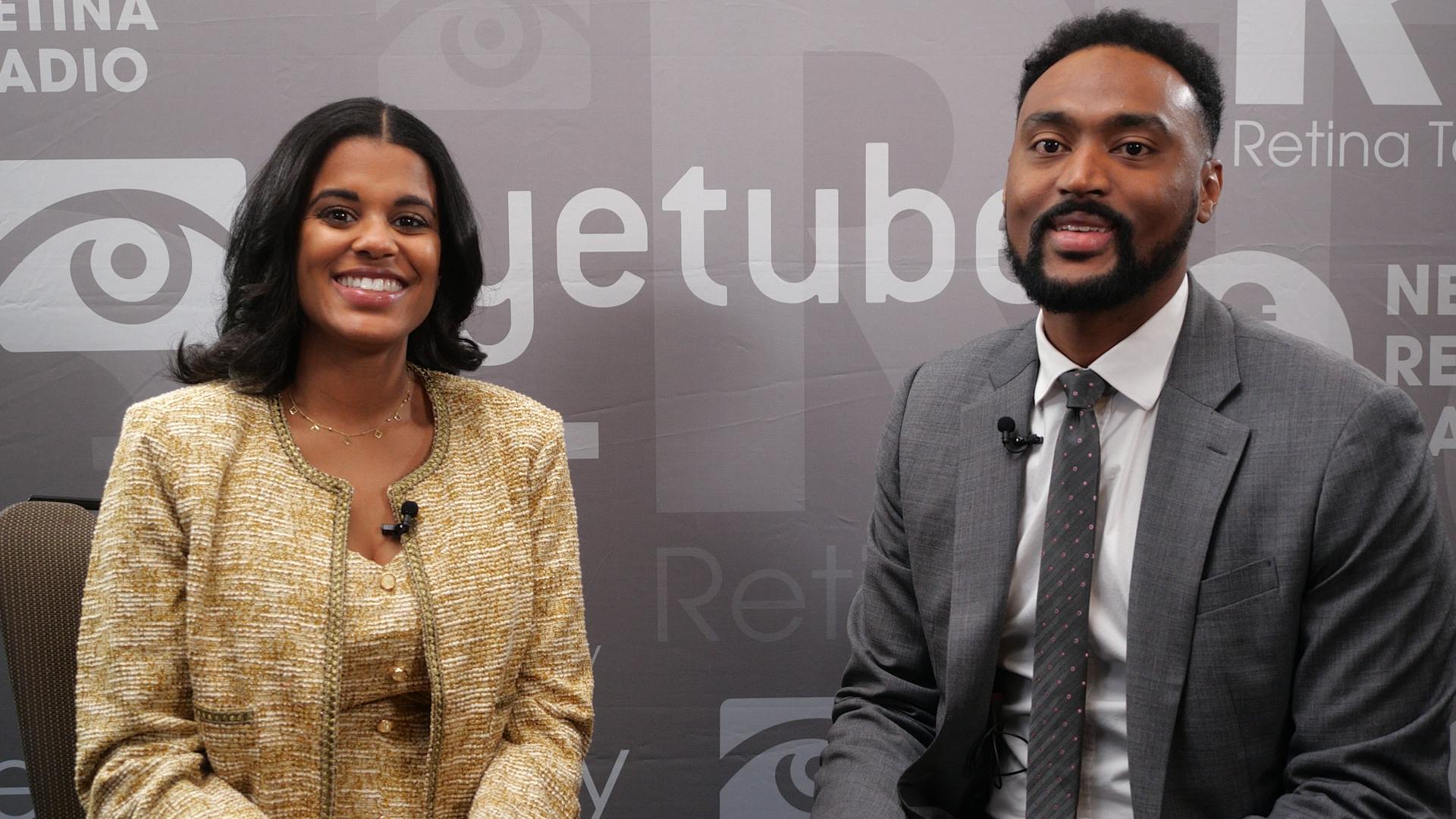
Meeting Coverage: Trainee Programming at VBS
The afternoon closed with a short panel on finding your niche outside of clinical medicine, which was moderated by Royce W. S. Chen, MD, and featured Avni P. Finn, MD, MBA; James Lin, MD; Phoebe Lin, MD, PhD; and Edward H. Wood, MD, who talked about their paths in research and medical education. While academic positions offer more time and resources, large private practices have become an important locus for clinical trial research and fellowship training. The lines are more blurred than ever before, and there are many different opportunities to train future generations of retina specialists and participate in cutting-edge research.
SAVE THE DATE: April 9 – 11, 2026
14th Annual Vit-Buckle Society Meeting
Las Vegas


