


AT A GLANCE
- The AAO boasts several programs that improve representation for those who are underrepresented in medicine (URiM): the Minority Ophthalmology Mentoring program and the LGBTQ+ Community mentorship program.
- The Vit-Buckle Society’s FOCUS program shows URiM medical students and ophthalmology residents what the field of retina has to offer.
- The American Society of Retina Specialists supports the URiM Mentorship Program and the Women in Retina section.
- The Rabb-Venable Program supports research efforts of outstanding URiM medical students, residents, and fellows in ophthalmology.
Numerous studies have documented a continued lack of diversity in ophthalmology and its subspecialties.1-5 Luckily, many ophthalmology societies and organizations have initiated mentoring programs to expose talented and capable applicants who are underrepresented in medicine (URiM) to the field of ophthalmology and retina—and they are working.
This article highlights mentoring programs in retina and ophthalmology that have opened the door for many talented URiM trainees and shares the stories of those who have found their place in ophthalmology.
ABOUT THE ARTICLE PARTICIPANTS:

AAO MINORITY OPHTHALMOLOGY MENTORING PROGRAM
The Minority Ophthalmology Mentoring (MOM) program (a partnership between the AAO and the Association of University Professors of Ophthalmology) aims to increase diversity in ophthalmology by helping URiM students become competitive ophthalmology residency applicants.1 As part of the program, URiM students in their first year of medical school gain one-on-one mentorship, help with career planning, and access to networking and educational opportunities. Participants who remain in the program for more than 1 year attend a MOM Student Engagement Weekend at the AAO’s annual meeting and receive ongoing mentoring and matching and residency preparation.
For more information, visit bit.ly/3CX9XLh.
Personal Perspectives: Building a Community of Inclusion
David Ramirez, MD, shares how the AAO’s LGBTQ+ Community aims to strengthen the field of ophthalmology through mentorship and education.
RETINA TODAY (RT): WHAT ARE THE GOALS OF THE LGBTQ+ COMMUNITY?
David Ramirez, MD: We aim to support LGBTQIA+ individuals in ophthalmology by creating an inclusive community, providing mentoring, increasing visibility, supporting research, facilitating access to resources, and advocating for LGBTQIA+ providers and patients.
RT: HOW HAS THE PROGRAM GROWN SINCE ITS FOUNDING IN 2021?
Dr. Ramirez: When I was a resident, I felt like I was on an island. I had no knowledge of any LGBTQIA+ person in ophthalmology, and I yearned to hear perspectives from LGBTQIA+ physicians. Although I had wonderful non-LGBTQIA+ mentors, it was difficult for them to speak to what it’s like to be a gay person in ophthalmology. Are people generally accepting? Is it frowned upon to discuss such a major part of my life with my colleagues? Am I allowed to bring my significant other to events, or is that considered controversial?
I needed to hear these stories from individuals who had experienced them firsthand. To meet this need, I, along with a few other LGBTQIA+ ophthalmologists, banded together to form the LGBTQ+ Community. We approached the AAO with the goal of creating visibility and mentorship opportunities.
With the AAO’s support, our presence has grown significantly. In our first year, we created a web page, an LGBTQIA+ email hosted by the AAO, resource archives, mentorship handbooks, and formal programming during the annual meeting. Our first course morphed into an engaging discussion about allyship, dealing with staff who do not support LGBTQIA+ patients, and other topics. Much of our participation was from allies, although some students and practicing ophthalmologists shared their LGBTQIA+ perspectives.
The session left us feeling invigorated and hopeful that we had a positive effect—and we did. I received many emails from trainees asking about mentorship or expressing interest in being involved with the Community. After the success of that first program, we secured industry funding for our larger mentorship events, allowing us to host larger and larger groups. We built our online platform (hosted by the AAO) into a forum for discussion, resource sharing, and mentorship.
I am excited to see where the future takes us—I have gone from feeling like I was alone on an island to building an over 100-member (and growing) organization that cares about uplifting its members; the AAO has changed my life. I am grateful to all those involved and look forward to the new initiatives we have planned for the future.
RT: HOW CAN MENTORS/MENTEES GET INVOLVED?
Dr. Ramirez: The first step would be to visit our landing page (www.aao.org/lgbtq-community) and join the Community (click on Invitation to Join the Community). There are several resources available, including an LGBTQ Survival Guide for Applying to Residency, and a pool of mentors waiting to help. Those interested in getting involved may also email lgbtq@aao.org with any questions.
We also plan to invite interested members to come to our programming at the annual meeting in Orlando this year. We will have a mentorship mixer and are hosting a Lavender Lounge to provide an inclusive space at the meeting.
David Ramirez, MD (he/him/his)
Assistant Professor, Pediatric Ophthalmology, Ann & Robert H. Lurie Children’s Hospital, Northwestern University, Chicago
davidramirez@luriechildrens.org
Financial disclosure: None
AAO LGBTQ+ COMMUNITY
The LGBTQ+ Community, hosted by the AAO, is designed to advance health equity for lesbian, gay, bisexual, transgender, queer, intersex, and asexual plus (LGBTQIA+) individuals and equality for LGBTQIA+ professionals. The Community focuses on increasing LGBTQIA+ visibility, mentoring trainees and practicing physicians, and educating the field on topics relevant to the LGBTQIA+ community (Figure 1).
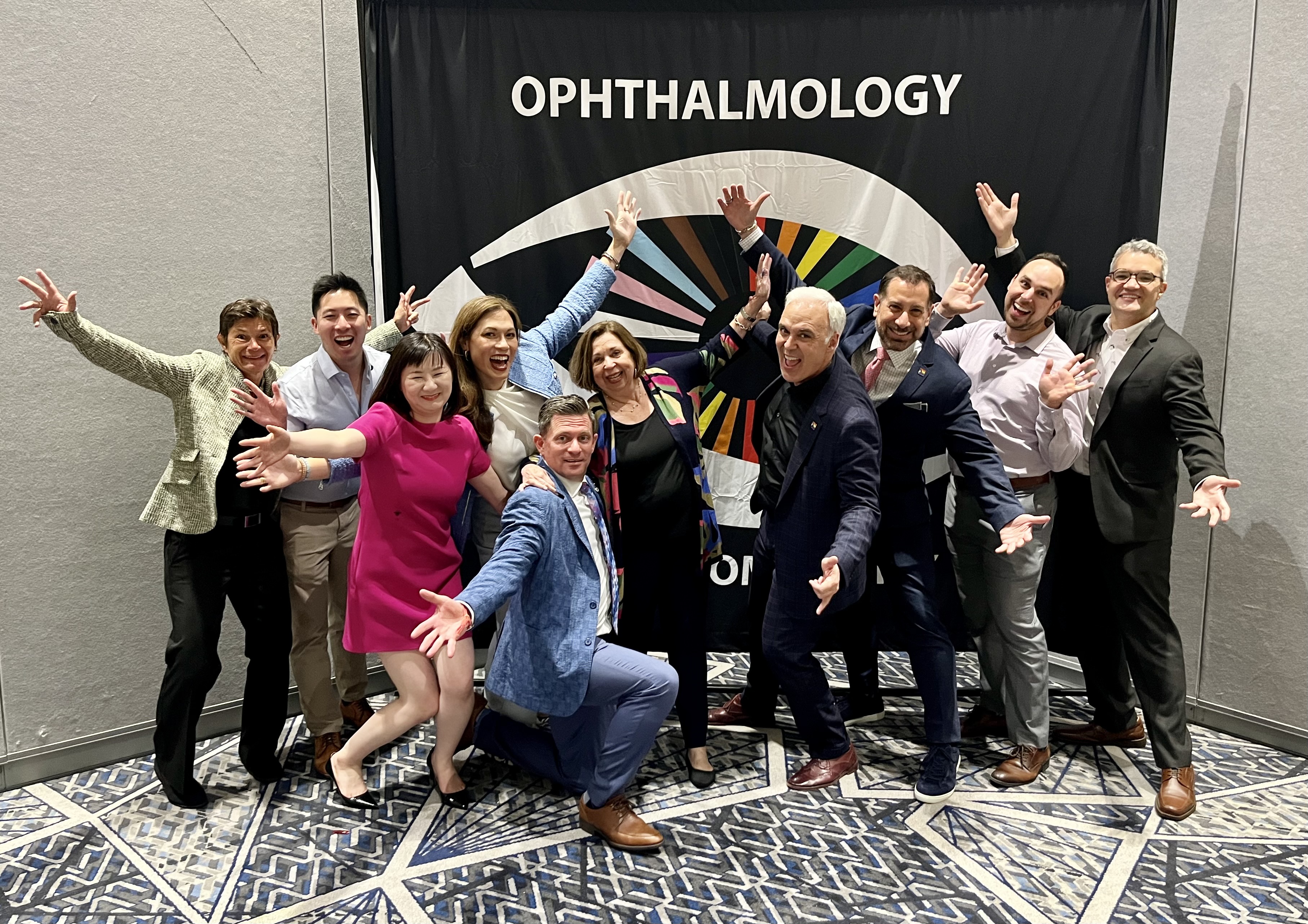
David Ramirez, MD, an assistant professor of Pediatric Ophthalmology at Northwestern University, co-founded the LGBTQ+ Community in 2021 after realizing that trainees need a group of people who know firsthand what the LGBTQIA+ experience is like in ophthalmology.
“I have gone from feeling like I was alone on an island to building an over 100-member (and growing) community that cares about uplifting its members,” he shared with Retina Today. “I look forward to the new initiatives we have planned for the future.” (To read the full interview, see Personal Perspectives: Building a Community of Inclusion.)
In addition to a robust library of online resources, the LGBTQ+ Community has programming planned for the AAO’s annual meeting in Orlando, including sessions and a dedicated lounge for members and LGBTQIA+ allies.
For Kevin C. Allan, MD, PhD, an ophthalmology resident at Cole Eye Institute, the Community gave him the push he needed to commit to the field. Dr. Allan loved ophthalmology as a medical student, but a lack of LGBTQIA+ representation in the field—and research showing it as one of the least diverse medical subspecialties—gave him pause.1-5 A colleague suggested he join the AAO’s LGBTQ+ Community, and he soon realized just how inclusive ophthalmology could be. “The LGBTQ+ Community provides opportunity and exposure to people who are safe, in your corner, and going to fight for you,” he noted in an interview with Retina Today. “Every person I talked to was supportive and willing to guide me through residency applications.”
Having gone through the process himself, Dr. Allan now participates in the group’s mentorship program to help support other medical students struggling to overcome impostor syndrome and see themselves as part of the field of ophthalmology. (See Personal Perspectives: Finding Your Place in Ophthalmology to read the full interview.)
For more on the LGBTQ+ Community, visit bit.ly/411oaPe.
VBS FOCUS PROGRAM
The Vit-Buckle Society’s (VBS) FOstering Careers for Underrepresented Stars (FOCUS) program provides an opportunity for outstanding medical students and ophthalmology residents to see what the field of retina has to offer, according to Basil K. Williams Jr, MD, VBS vice president of Diversity, Equity, and Inclusion.
“VBS creates a unique environment that is fun and engaging without a hierarchical structure and encourages audience (especially young retina specialist) participation. As a result, the trainees get to see themselves as part of the field,” he told Retina Today in an interview.
FOCUS includes a full day of educational sessions during the annual VBS meeting (Figure 2). URiM trainees also gain access to content to help them prepare for the rigors of training and create a network of mentors, Dr. Williams added.
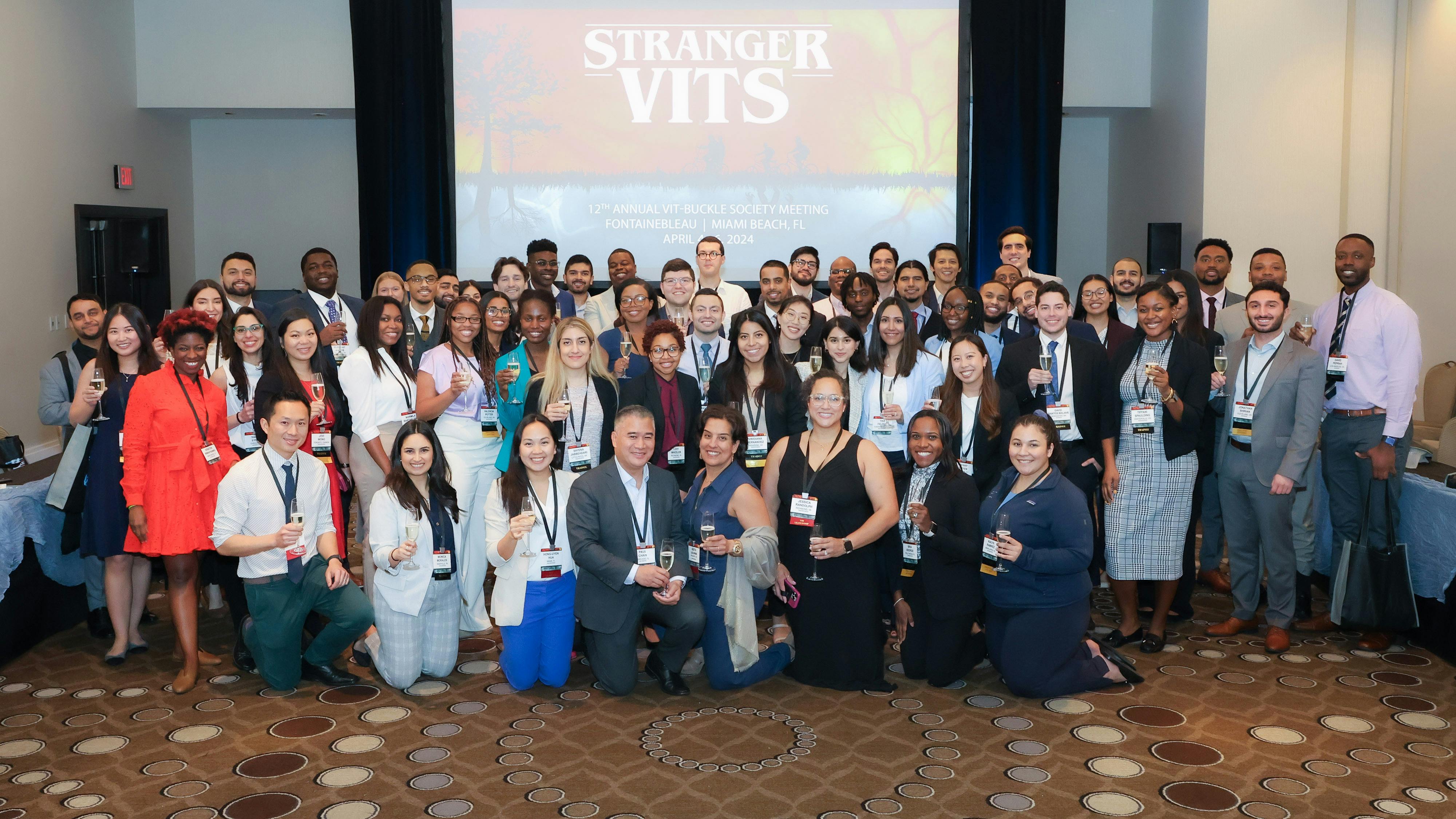
Figure 2. FOCUS participants gathered at the 2024 VBS meeting to learn from each other, network with mentors in the field, and discover all retina has to offer.
For many attendees, including Arnulfo Garza Reyes, MD, the program is a tipping point in their training. During residency, Dr. Garza was interested in retina but struggled with imposter syndrome. “When I looked to the attendings at my institution, I realized that while they were amazing, their path to medicine and ophthalmology was really different than mine,” he told Retina Today in an interview. A friend connected Dr. Garza with Dr. Williams to discuss his interest in the field of retina. Dr. Williams suggested applying for the FOCUS program, and that conversation was the push Dr. Garza needed to pursue his passion for retina.
“In participating in FOCUS, I realized not only that I wanted to be in the field of retina, but also that I belonged. Throughout my career, I’ve never been afraid of adversity, but I was a little intimidated by it,” he explained. “It didn’t stop the imposter syndrome or feelings that I didn’t belong—those may never go away—but I had more courage to try,” Dr. Garza concluded. (To read the full interview, see Personal Perspectives: Paying it Forward at FOCUS).
Visit bit.ly/3ELlmOJ to learn more about FOCUS.
RETINA SOCIETY RESOURCE PROGRAM
The Retina Society’s URiM (RESOURCE) mentoring program pairs residents from underrepresented backgrounds with Retina Society mentors to provide research and career mentorship. Elizabeth Fairless, MD, heard about RESOURCE through her residency program director, who encouraged her to apply. Once accepted, the program matched her with Yoshihiro Yonekawa, MD, and his former fellow, Rebecca Soares, MD, as mentors. Together, these mentors helped Dr. Fairless formulate a research question focused on health disparities facing Native Americans, and she presented the project at the annual Retina Society meeting.
“The experience helped me build research experience and strengthen my application for fellowship programs,” Dr. Fairless told Retina Today. “Additionally, attending the Retina Society meeting allowed me to meet retina specialists and network prior to applying to fellowship.”
“Because we all have unique paths through our careers, it’s important to find mentors who are willing to understand your interests and motivations and support your goals, even if they’re a little outside the norm,” she added. Dr. Fairless is now a medical retina fellow at the University of Utah’s Moran Eye Center in Salt Lake City.
Visit bit.ly/3D1wuGE to learn more about the RESOURCE program.
Personal Perspectives: Paying it Forward at FOCUS
Here, one VBS FOCUS participant shares his path to retina and how mentorship changed the course of his career for the better.
RETINA TODAY (RT): HOW DID YOU LEARN ABOUT THE VBS FOSTERING CAREERS FOR UNDERREPRESENTED STARS (FOCUS) PROGRAM?
Arnulfo Garza Reyes, MD: Halfway through my residency, I shared with a friend that I really liked retina but was unsure if I would fit in. When I looked to the attendings at my institution, I realized that while they were amazing, their path to medicine and ophthalmology was really different than mine. That colleague connected me with Basil K. Williams Jr, MD, who took the time to hear my story, share his, and encourage me to pursue retina if that’s what I wanted. Dr. Williams didn’t know anything about me, yet he was very generous with his time. He noted that once you bring a lot of people together who struggle with imposter syndrome, you can develop a fellowship with them and help them overcome those insecurities. That’s the goal of the VBS FOCUS program.
In participating in FOCUS, I realized not only that I wanted to be in the field of retina, but also that I belonged. Throughout my career, I’ve never been afraid of adversity, but I was a little intimidated by it. During the FOCUS program, I met other people at different levels of training, and many medical students were telling me my story, but from their perspective. They were struggling with the same things that I struggled with as a medical student. All I could think was, “Wow, this is incredible that I can talk about this with residents at my level but also fellows and attendings.”
That opened my eyes to the support in the field and how the program leadership was so invested in getting us there. That fueled me, and I was empowered to go forward. It didn’t stop the imposter syndrome or the feelings that I didn’t belong—those may never go away—but I had more courage to try. Whenever I feel like I don’t belong, I remember that everyone at FOCUS seemed like they belonged, so maybe I do too.
I attended FOCUS for 2 years, and in the first year, I didn’t connect much with the medical students, perhaps because I felt that I hadn’t accomplished enough yet. When I attended the VBS meeting the second year, I came back with a plan—specific things I was hoping to accomplish and certain people I wanted to connect with and seek support from during fellowship applications. I also focused on mentoring the medical students because I was confident enough to connect with them and start supporting them in whatever way I could.
RT: WHAT ADVICE CAN YOU OFFER TO OTHERS SEEKING MENTORSHIP?
Dr. Garza: The first thing that really helped me is identifying what I really wanted and the foundational principles behind what I want to do in medicine—what really fills me up.
If you’re struggling with imposter syndrome, talk to people and be open, however counterintuitive that seems. When you’re struggling with imposter syndrome, you put up barriers, you’re wearing armor, and that makes it hard to feel accepted. That often makes you work extra hard or say yes to more than you can handle, and you burn out.
Connect with someone who you identify with in medicine, whether that’s another trainee at your level or one of your seniors. And then just be yourself; if you know exactly who you are and what you want to be, that’s the most powerful thing. Convey that, and you will thrive.
It all starts with questioning who you are, what you want to do, and what fills you up. Then, just be vulnerable enough to open up whenever you’re struggling with imposter syndrome.
Arnulfo Garza Reyes, MD (he/him/his)
PGY4, Department of Ophthalmology and Visual Sciences, Carver College of Medicine, University of Iowa, Iowa City, Iowa
Incoming Vitreoretinal Fellow, Bascom Palmer Eye Institute, Miami
arnulfo-garzareyes@uiowa.edu
Financial disclosure: None
ASRS URIM MENTORSHIP PROGRAM
The URiM Mentorship Program for the American Society of Retina Specialists (ASRS) fosters professional relationships that encourage URiM mentees to join the field of retina.
“In the wake of George Floyd, the ASRS realized it could do a better job of cultivating interest and involvement among races and ethnicities not well represented in our field,” Vivienne S. Hau, MD, PhD, co-chair of the ASRS Diversity, Equity, and Inclusion Ad Hoc Committee, told Retina Today. “This program employs a holistic application process where we now support one of the most diverse representations of mentees within the field.”
The program includes two distinct tracks: traditional and family. The traditional track follows a standard one-on-one format, while the family track pairs groups of mentors with mentees. “This unique program connects mentees with a family of four mentors who are meant to be life-long mentors, unlike typical 1-year one-on-one mentorship,” explained Dr. Hau. “Each year, mentors and mentees commit to at least five sessions (three virtual and two in-person) with a variety of invited speakers on engaging topics to elicit deep discussion and introspection, empowering them with the tools to be successful as retina specialists.”
Hector Sandoval, MD, was part of the program’s inaugural year, and the mentorship has been invaluable, particularly when his residency program announced its closure. His ASRS URiM family acted quickly to help him network and find a new residency program to avoid a break in his training.
“As a first-generation physician, my journey has been long, with many ups and downs; however, with the guidance of my mentors, I’ve always stayed on track,” he told Retina Today. “Their advocacy and guidance have been invaluable, and it inspires me to pay it forward to the next generation of ophthalmologists.”
He has enjoyed one-on-one mentoring, in addition to in-person networking at the annual ASRS meeting (Figure 3). “Sharing life updates and supporting each other on our journeys toward becoming ophthalmologists is always a pleasure,” Dr. Sandoval noted. “I also found it reassuring to meet a network of mentors dedicated to providing guidance and increasing diversity within the retina subspecialty.”
Visit bit.ly/3QuYTIm to learn more.
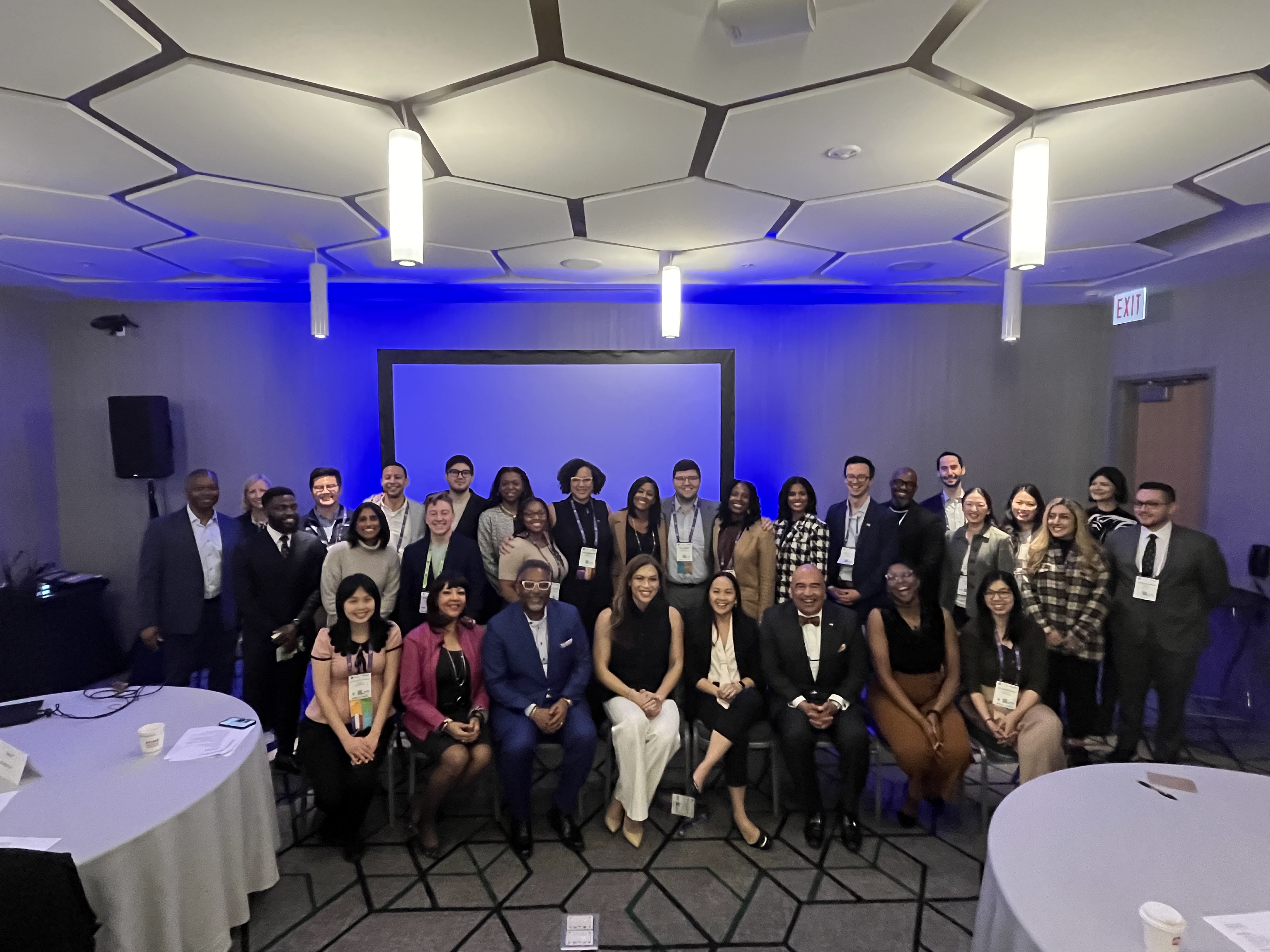
Figure 3. The ASRS URiM Mentorship Program had a robust turnout during the annual ASRS Meeting in Stockholm, held July 17-20, 2024.
ASRS WOMEN IN RETINA
The ASRS Women in Retina (WinR) section, which has promoted and supported women in the field of retina for more than 10 years, focuses on four pillars, according to current WinR Chair Jessica D. Randolph, MD: professional development, wellness, networking, and inclusivity. The programming includes case conferences, research competitions, and leadership discussions, Dr. Randolph added.
“Retina is a very white, male-dominated field, and even though the number of women is rising, the positions of power are still very male-dominated,” she said. “Our goal is to remedy that.” For example, WinR launched the Clinical Trials Incubator program, which nominates two women to initiate a clinical trial at their site and provides them intensive mentoring by physician and industry mentors.
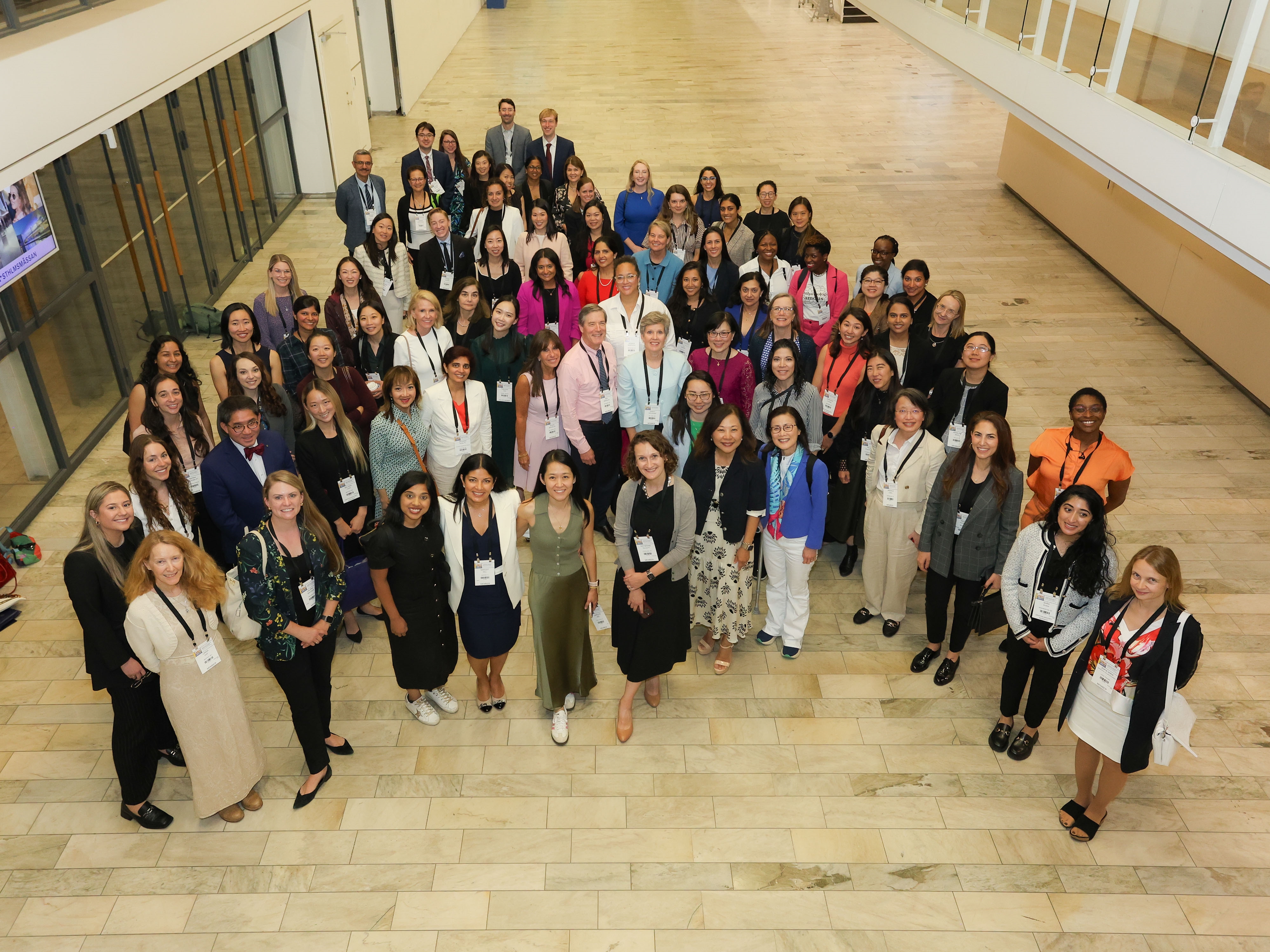
WinR’s mentoring program, designed for fellows and early-career women in retina, is equally beneficial to mentors, who have found the program incredibly rewarding, Dr. Randolph explained. “We are always looking to bring in more mentors, as the pool of mentees is constantly growing,” she added (Figure 4).
To get involved as a mentor or apply as a mentee, visit bit.ly/3XcLMPE.
RABB-VENABLE PROGRAM
The Rabb-Venable Excellence in Ophthalmology Research Program supports the research efforts of outstanding URiM medical students, residents, and fellows in ophthalmology or those who desire to work in underserved communities. The program, founded in 2000, invites award winners to present their research during the Ophthalmology Section at the National Medical Association’s annual assembly. In addition, Rabb-Venable participants have access to mentorship, guidance for applying to ophthalmology residency programs, and information about research opportunities.
To learn more, visit bit.ly/4hL5Kcx.
Personal Perspectives: Finding Your Place in Ophthalmology
Kevin C. Allan, MD, PhD, shares why visibility is crucial, particularly in a medical specialty that is traditionally lacking in diversity.
RETINA TODAY (RT): HOW DID YOU FIND THE LGBTQ+ COMMUNITY?
Kevin C. Allan, MD, PhD: In medical school, I first became interested in ophthalmology because people told me that ophthalmologists are nerdy, love their lives, and enjoy a unique blend of clinical practice and surgery. But I also heard the field was one of the least diverse specialties, and I saw studies that supported that notion.1-5 As a gay man, it was intimidating to consider a traditionally conservative field. While I was drawn to the specialty and saw myself thriving in it, I was bothered by the lack of LGBTQIA+ representation within the field.
One day, I found myself talking with a retina fellow and voiced my concern about whether LGBTQIA+ physicians were truly welcome in ophthalmology. She shared that she was gay and involved in the AAO’s LGBTQ+ Community, a new group eager to grow its membership and visibility. I joined, and seeing that the group already had more than 50 members was enough for me—I went from feeling isolated to having 50 points of contact across the country, all of whom were more than willing to support me during residency applications and beyond. Today, the LGBTQ+ Community has grown to more than 150 members, highlighting the need for this network and the importance of fostering a sense of belonging.
RT: HOW HAS THIS COMMUNITY AFFECTED YOUR CAREER?
Dr. Allan: I cannot emphasize enough how important this mentorship has been. When I ask my mentors what defines their success, every one of them credits mentorship and standing on the shoulders of giants. When I was applying to residency, I connected with members of the LGBTQ+ Community to learn about different programs and gauge how welcoming they were to LGBTQIA+ physicians. I didn’t want to be put back in the closet, if you will, during my 4 years of residency. These conversations provided invaluable insights into the culture of each program, and my mentors supported me by recommending places that were truly inclusive and would set me up for success.
The LGBTQ+ Community also offers a mentorship program that pairs more senior members with medical students navigating the application process. Now, as a mentor myself, it’s wonderful and rewarding to provide that same support, to encourage others that they can achieve their goals, and to reassure them that they are not alone. The LGBTQ+ Community provides opportunity and exposure to people who are safe, in your corner, and going to fight for you.
RT: WHAT ADVICE CAN YOU OFFER TO OTHERS SEEKING MENTORSHIP?
Dr. Allan: My biggest piece of advice is to reach out to people or approach potential mentors at conferences. You won’t know until you hear no or yes. Get involved in the group, come to the LGBTQIA+ event at AAO, or apply for the incredible programs listed in this article. The opportunities offered by these programs are endless, and you can breathe easy knowing that there are successful people in this field who look like you or share your identity, thriving in every area from academics to private practice to industry.
I’ll end by saying I don't think there’s any greater infraction on someone’s rights than denying their existence, and no group of people should ever feel invisible. That’s why the visibility provided by this article and the LGBTQ+ Community is so crucial and will inspire future generations. Beyond that, this Community provides lifelong friends and colleagues you’ll see again and again at meetings, making the world of ophthalmology that much more exciting, welcoming, and full of opportunity.
1. Nguemeni Tiako MJ, Johnson S, Muhammad M, Osman NY, Solomon SR. Association between racial and ethnic diversity in medical specialties and residency application rates. JAMA Netw Open. 2022;5(11):e2240817.
2. Ali M, Menard M, Zafar S, Williams BK Jr, Knight OJ, Woreta FA. Sex and racial and ethnic diversity among ophthalmology subspecialty fellowship applicants. JAMA Ophthalmol. 2023;141(10):948-954.
3. Tam EK, Harrell M, Siegel NH. Understanding the lack of under-represented racial and ethnic minorities in ophthalmology. J Acad Ophthalmol (2017). 2021;13(2):e192-e194.
4. American Association of Medical Colleges. Diversity in medicine: facts and figures 2019. Accessed January 17, 2025. www.aamc.org/data-reports/workforce/report/diversity-medicine-facts-and-figures-2019
5. Nguemeni Tiako MJ, Johnson S, Muhammad M, Osman NY, Solomon SR. Association between racial and ethnic diversity in medical specialties and residency application rates. JAMA Netw Open. 2022;5(11):e2240817.
Kevin C. Allan, MD, PhD (he/him/his)
Ophthalmology Resident, Cole Eye Institute, Cleveland Clinic, Cleveland
allank2@ccf.org
Financial disclosure: None
IMPROVING DIVERSITY IN RETINA
The goal for all retina specialists is to provide exceptional care to patients and preserve their vision whenever possible—and that principle is universal, regardless of the clinician’s race, ethnicity, gender, or sexual orientation. With the help of the mentoring programs discussed here (and others), the field of retina is slowly diversifying with exceptionally talented URiM clinicians to better represent the diverse population it treats. And that means everyone can feel seen, find the support they need, and thrive.
1. Atkuru A, Lieng MK, Emami-Naeini P. Trends in racial diversity among United States ophthalmology residents. Ophthalmology. 2022;129(8):957-959.
2. Ali M, Menard M, Zafar S, Williams BK Jr, Knight OJ, Woreta FA. Sex and racial and ethnic diversity among ophthalmology subspecialty fellowship applicants. JAMA Ophthalmol. 2023;141(10):948-954.
3. Tam EK, Harrell M, Siegel NH. Understanding the lack of under-represented racial and ethnic minorities in ophthalmology. J Acad Ophthalmol (2017). 2021;13(2):e192-e194.
4. American Association of Medical Colleges. Diversity in medicine: facts and figures 2019. Accessed January 17, 2025. www.aamc.org/data-reports/workforce/report/diversity-medicine-facts-and-figures-2019
5. Nguemeni Tiako MJ, Johnson S, Muhammad M, Osman NY, Solomon SR. Association between racial and ethnic diversity in medical specialties and residency application rates. JAMA Netw Open. 2022;5(11):e2240817.


