




AT A GLANCE
- Becoming a manager involves making tough decisions, maintaining fairness, and ensuring the success of your team.
- A strong leadership foundation starts with well-defined expectations. New managers should focus on understanding the team, recognizing workplace dynamics, and defining roles and responsibilities.
- To establish authority as a new manager, stay consistent with your decision making, lead by example, have an open-door policy, and earn respect, don’t demand it.
As a new manager, it can be challenging to bridge the gap between leadership, staff, and performance; still, maintaining a balance between all three is essential for your long-term success in a leadership role and for maintaining a positive work culture for everyone.
Stepping into a management role is an exciting yet challenging career milestone. The transition from coworker to manager comes with unique hurdles, including establishing authority, balancing relationships, and navigating workplace dynamics. To succeed, new managers must embrace a shift in mindset, refine their communication skills, and develop a strategic approach to leadership.
Becoming a manager involves making tough decisions, maintaining fairness, and ensuring the success of your team. Recognizing potential obstacles, understanding evolving dynamics, and implementing effective leadership strategies will empower you to gain confidence and create a thriving work environment.
OVERCOMING COMMON MANAGEMENT CHALLENGES
Transitioning from a peer to a leader presents several challenges, including:
Navigating Workplace Politics
The first step is understanding the internal power structures and their effect on team dynamics. Workplace politics often dictate how power and influence are distributed within an organization. New managers must identify key stakeholders, understand informal hierarchies, and diplomatically navigate interpersonal conflicts. Establishing clear communication channels and fostering an inclusive decision-making process can mitigate potential issues. Participating in leadership training programs or working with a mentor can help you navigate these complexities more effectively. Additionally, be aware of underlying team dynamics and maintain neutrality when resolving conflicts—this will strengthen your leadership credibility.
Managing Former Peers
As a new manager, you are tasked with establishing authority while maintaining respect. Former colleagues may struggle to see you in a leadership role, creating resistance or skepticism. A structured transition plan, including team meetings to clarify new expectations, can help ease the shift. Building trust through consistent actions and open dialogue will reinforce your credibility as a manager. Being transparent about decision-making processes and demonstrating fairness in your leadership will also help with a smooth transition. Encourage open conversations in which employees feel heard and respected to foster an environment of mutual understanding and collaboration.
Setting Clear Expectations
You must define performance standards from the outset. Ambiguity in role expectations often leads to inefficiencies and workplace dissatisfaction. As a manager, it is your job to create clear job descriptions, key performance indicators, and measurable objectives to ensure there is alignment between managers and employees. Schedule regular check-ins and performance reviews to help maintain clarity and reinforce accountability. Additionally, set long-term goals and break them into achievable milestones to help improve overall team motivation and productivity. For those in private practice, you can develop an employee handbook or resource guide to provide the team with additional support in ensuring all team members understand their responsibilities and company expectations.
Holding Employees Accountable
As a manager, it is now your responsibility to enforce policies consistently and fairly. A transparent approach to accountability helps set the tone for a culture of responsibility. As a new manager, you should document policies, address infractions constructively, and recognize positive contributions to reinforce desired behaviors. Provide real-time feedback and conduct periodic performance evaluations to help create an environment in which employees feel supported rather than scrutinized. For example, you could establish a reward system for employees who meet and exceed expectations, which can foster motivation and reinforce a culture of accountability and excellence.
Handling Uncertain Situations
Your team will look to you and how you respond to workplace changes, crises, or personnel issues. Rapid adaptability is crucial for managers facing unexpected challenges such as budget cuts, resignations, or market downturns. Develop contingency plans and leverage data-driven decision-making processes to help ensure business continuity. Encourage open communication and allow employees to voice their concerns to effectively manage uncertainty and build team resilience. Additionally, foster a problem-solving mindset within the team and encourage proactive thinking—this will help the group navigate uncertainties with confidence.
By anticipating these challenges, you can implement proactive solutions and ensure a smooth transition into leadership.
UNDERSTANDING WORKPLACE DYNAMICS
One of the most complex aspects of management is navigating internal team dynamics. Several factors can influence how you are perceived as a leader, including the following:
Age Differences
Younger managers may need to work harder to earn respect, while older managers may need to adjust their style to connect with younger employees. Age-related biases can lead to assumptions about competence or leadership ability. To overcome these perceptions, you must demonstrate knowledge, emotional intelligence, and a willingness to learn from all team members. It is up to you to encourage a culture of mutual respect and ongoing learning, which can bridge generational gaps within the team. Managers can also implement cross-generational mentoring programs to help employees share knowledge and learn from each other.
Tenure Disparities
Employees who have been with the company longer may resist leadership changes. Long-standing employees might feel overlooked or resentful if they were not promoted. Acknowledging their experience and leveraging their institutional knowledge fosters collaboration rather than competition. You can help ease the transition by involving experienced employees in decision-making processes or assigning them mentorship roles. Provide opportunities for senior employees to contribute to new projects and initiatives to reinforce their value and create an inclusive leadership environment.
Internal Versus External Hires
Internal promotions must establish authority, while external hires may struggle with organizational integration. An internal hire benefits from familiarity with company culture but must shift from peer to leader, whereas an external hire must learn internal processes quickly. Clear communication and relationship-building are essential in both cases. If you are an external hire, seek out key internal influencers and establish trust through consistent leadership to accelerate team integration. Hosting team-building activities and workshops can facilitate smooth relationship-building for new managers, fostering cohesion and teamwork.
Successfully managing these dynamics requires transparency, self-awareness, and a commitment to fairness. Open communication and a balanced leadership approach will help build credibility and trust.
ESTABLISHING AUTHORITY WITH CONFIDENCE
Building authority with your team does not mean exerting power over your team members but rather earning their trust and respect. Some ways to establish your leadership include the following:
- Consistent decision making: Employees value a manager who makes fair and logical decisions.
- Lead by example: Demonstrating a strong work ethic and professionalism sets the tone for the team.
- Open-door policy: Encourage feedback and be approachable to foster strong workplace relationships.
- Earn respect, don’t demand it: Your position alone does not guarantee respect; you must cultivate respect through your actions.
One of the toughest shifts in becoming a manager is leading your former peers. The dynamic changes from one of camaraderie to one of hierarchy, which can create tension. Common reactions include:
- "I thought we were friends."
- "We’ve always done it this way."
- "Why is this suddenly an issue?"
These concerns stem from resistance to change. As a leader, it’s crucial to reinforce professionalism, set boundaries, and clearly communicate your vision for the team’s success.
STRATEGIES FOR A SMOOTH TRANSITION
- Project professionalism: Subtle changes in attire and demeanor can reinforce your new role.
- Remain composed: Stay level-headed during conflicts to earn respect.
- Be mindful of socializing: Avoid favoritism to maintain workplace fairness.
- Make objective decisions: Base your choices on business needs, not personal relationships.
Additionally, outline your management philosophy and invite feedback; this can help ease the transition. Creating a collaborative atmosphere where employees feel heard will lessen resistance to change.
A strong leadership foundation starts with well-defined expectations. New managers should focus on three key areas:
- Understand your team: Learn about individual career goals, strengths, and challenges.
- Recognize workplace dynamics: Gain new insights into workflows and organizational challenges.
- Define roles and responsibilities: Ensure accountability and efficiency through role clarity.
Effective communication across levels is another key to successful leadership. For employees, you should outline their responsibilities and performance standards. Senior leadership must justify decisions and propose solutions confidently. As a new manager, you must set boundaries to prevent burnout and promote sustainable leadership.
How you communicate expectations is just as important as the expectations themselves. Use clear, direct language and align your expectations with the practice’s goals to strengthen your leadership credibility.
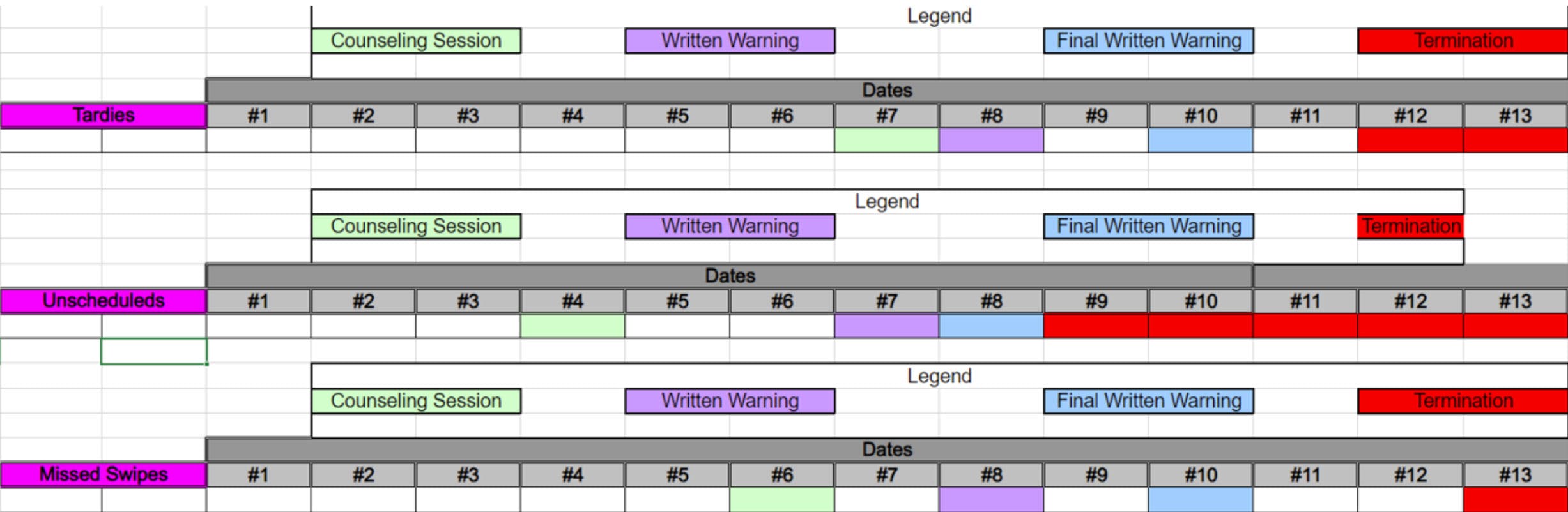
Figure. The Duke Eye Center uses this attendance tracking form to document unscheduled absence and tardies for all employees. Everyone is held to the same standard, which helps maintain accountability for the entire team.
ACCOUNTABILITY AND CRUCIAL CONVERSATIONS
Holding employees accountable is a critical leadership responsibility. Whether addressing performance concerns or enforcing policies, fairness fosters a positive work environment (Figure).
Three best practices for accountability include: 1) Apply rules equally to prevent favoritism, 2) Stay objective (ie, base performance evaluations on facts, not emotions), and 3) Develop conflict resolution skills by approaching difficult conversations with directness and respect.
Accountability should not be seen as punitive but to foster growth and productivity. Managers should encourage self-evaluation and offer constructive feedback to help employees understand expectations and strive for excellence.
LEVERAGING RESOURCES FOR SUCCESS
No manager transitions alone. Seek guidance from experienced leaders who can provide valuable insights. Seek advice from mentors and coaches who have already successfully transitioned into management. Professional networks can help you engage with others in leadership positions and provide support and advice. The American Academy of Ophthalmic Executives and The American Society of Ophthalmic Administrators are both excellent resources for new and established administrators alike. Both memberships offer educational resources, networking opportunities, leadership courses, and much more. LinkedIn Learning also offers management training opportunities. Reading management books, attending workshops, and staying informed about industry trends can help managers stay ahead in their roles.
BUILD A STRONG TEAM
Transitioning from coworker to manager presents both challenges and opportunities. By understanding workplace dynamics, setting clear expectations, and leveraging available resources, you can build credibility, earn respect, and create a cohesive team. Leadership is an ongoing learning process, and a commitment to growth will ensure long-term success.
While obstacles will arise, use a strategic approach and find the right support system to help you navigate challenges with confidence. Embrace your role with a positive mindset and strong leadership skills—this will set the foundation for your success, as well as your team’s.


