


AT A GLANCE
- The FDA’s 2023 draft guidance (not for implementation) suggests that intravitreal ranibizumab (Lucentis, Genentech/Roche) every 4 weeks or 2 mg aflibercept (Eylea, Regeneron) every 4 or 8 weeks (after three monthly injections) be used for comparison in noninferiority trials.
- The FDA draft guidance indicates that sponsors should have at least one other comparative arm in which the dosing frequency, criteria for dosing adjustments, and criteria for interventions are the same for each investigational drug arm.
- A decrease in the number of administrations of available effective therapies alone is not sufficient to demonstrate efficacy.
In 2023, the FDA issued draft guidance regarding drug development programs for wet AMD. These nonbinding guidelines are meant to offer “current thinking on a topic and should be viewed only as recommendations, unless specific regulatory or statutory requirements are cited.”1 The document goes on to state, “The word should in Agency guidances means that something is suggested or recommended but not required.”
It is important to note that FDA representatives have said that a sponsor may use an alternative approach, if it satisfies the applicable requirements, and the FDA encourages discussion.
“[The document] was put out as a starting point for comments; it was not meant for implementation,” said Wiley Chambers, MD.2 “When there are different interpretations, it means that the document needs further clarity. The Agency encourages comments to point out where there is confusion.” Dr. Chambers, the former supervisory medical officer in Ophthalmology for the Center for Drug Evaluation and Research at the FDA for more than 36 years, is now a consultant for Ocular Advisors.
Here, Chief Medical Officers Nadia K. Waheed, MD, MPH, (Ocular Therapeutix); Ramiro Ribeiro, MD, PhD, (EyePoint Pharmaceuticals); and Victor Chong, MD, MBA, (Clearside Biomedical) discuss how these guidelines are influencing their development programs. As a clinical trial partner, Lexitas’ Senior Vice President of Medical and Clinical Sciences Lanita C. Scott, MD, and Chief Medical Officer David J. Tanzer, MD, share their insight on the current landscape of wet AMD clinical trials.
THE DRAFT GUIDANCE, IN BRIEF
Some of the notable considerations outlined in the draft document include the following1:
The FDA suggests that intravitreal injection of ranibizumab (Lucentis, Genentech/Roche) every 4 weeks or 2 mg aflibercept (Eylea, Regeneron) every 4 or 8 weeks (after three monthly injections) be used for comparison in noninferiority trials. For superiority trials, however, the agency offers no discussion on the therapeutic options for the control group.
The guidance indicates that sponsors should have at least one other comparator arm in which the dosing frequency, criteria for dosing adjustments, and criteria for interventions are the same for each investigational drug arm.
In terms of drug efficacy, sponsors should consider one of the following:
- A statistically significant smaller percentage of patients with a doubling of the visual angle (ie, equivalent to a decrease of 15 ETDRS letters or more) in best-corrected distance visual acuity (BCDVA) at 9 months or later.
- A statistically significant larger percentage of patients with a halving of the visual angle (ie, equivalent to an increase of 15 ETDRS letters or more) in BCDVA at 9 months or later.
- A statistically significant difference between groups in mean BCDVA of 15 or more letters at 9 months or later after the start of drug administration.
- Two-sided, 95% confidence interval at 9 months or later after the start of drug administration: greater than or equal to -4.5 letters.
A decrease in the number of administrations of available effective therapies alone is not sufficient to demonstrate efficacy, according to the agency.
A WORLD WITHOUT SHAM
By Nadia K. Waheed, MD, MPH
Implicit in the FDA's draft guidance is that at least one comparator arm should follow the same dosing schedule as the investigational drug. Although not discussed in the draft guidance, recent interactions with the FDA have also indicated that the Agency does not recommend sham injections as adequate masking.3,4 This is a major shift from the early foundational noninferiority anti-VEGF studies that allowed sham injections in the control arm as a masking strategy.
Although anti-VEGF agents are incredibly efficacious, the global unmet need at this point is reducing treatment burden. However, reduced treatment burden is not, in and of itself, basis for approval and labeling.
OTX-TKI (Axpaxli, Ocular Therapeutix) is under investigation as a sustained-release option designed for 6 to 12 months of efficacy (Figures 1 and 2). How do we appropriately evaluate durability, given the FDA guidance that sham injections are not adequate for masking? Ultimately, we mitigated this challenge by using a superiority design for the phase 3 SOL-1 study (NCT06223958) to answer a true efficacy and durability question.
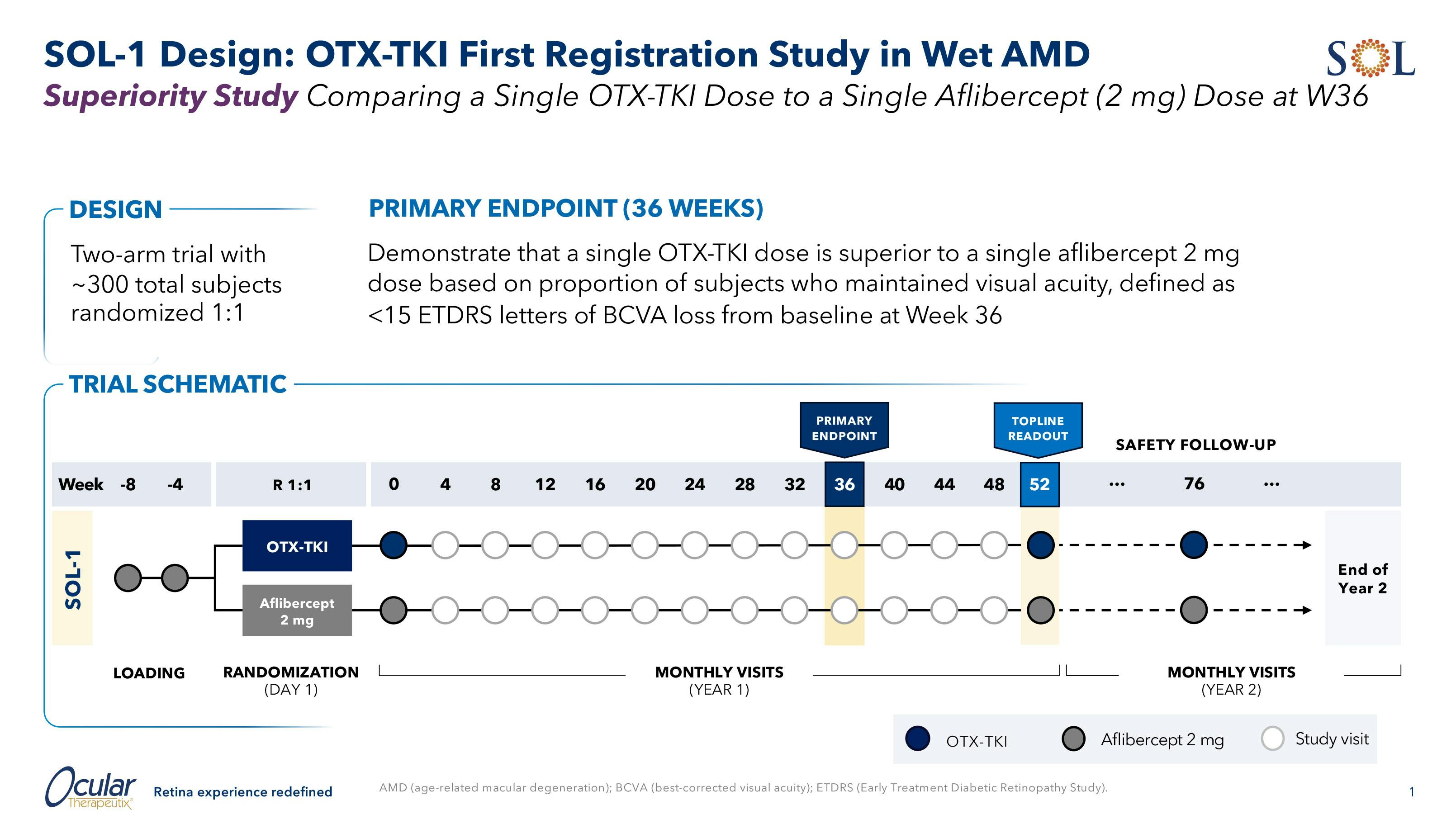
Figure 1. The SOL-1 clinical trial is designed as a superiority study to better assess the increased durability of OTX-TKI.
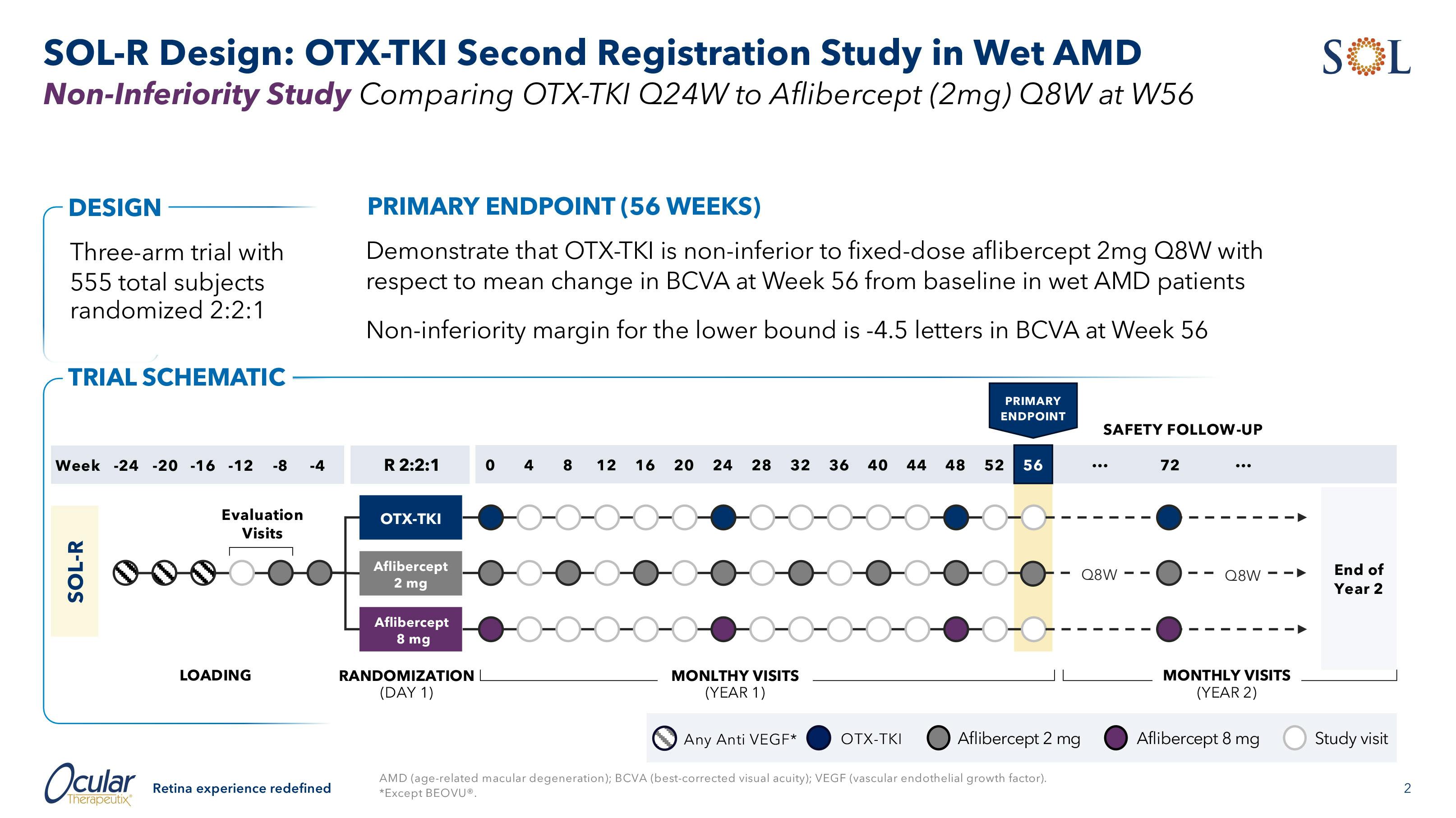
Figure 2. The SOL-R clinical trial is a noninferiority study comparing OTX-TKI with 2 mg aflibercept every 8 weeks for 56 weeks.
The SOL-R noninferiority study (NCT06495918) uses three arms: 8 mg aflibercept (Eylea HD, Regeneron) dosed approximately every 6 months after the initial induction phase, OTX-TKI dosed approximately every 6 months, and 2 mg aflibercept dosed every 2 months. Per FDA guidance, sponsors should have at least one other comparator arm in which the dosing frequency, criteria for dosing adjustments, and criteria for interventions are the same as the investigational agent; thus, the 8 mg aflibercept every 6 months arm was introduced to comply with these criteria and mask the OTX-TKI arm.
We feel that this complementary study design approach provides two adequately controlled studies and a totality of evidence acceptable for eventual New Drug Application (NDA) submission.
Depending on the mechanism of action of any given drug, the FDA draft guidance could present review challenges. Thus, sponsors must keep the lines of communication open with the FDA. For example, we sought a special protocol assessment for SOL-1, in which the FDA has a more stringent assessment, and we were informed that the design met the criteria for a registrational clinical trial. That process was instrumental in aligning our trial designs with FDA guidance.
STAY THE COURSE
By Ramiro Ribeiro, MD, PhD
In general, and predating this draft guidance, a noninferiority trial design is one of the four designs acceptable to provide evidence of efficacy, and it is recognized globally as a scientifically sound option. In wet AMD, the clinical goal is to diagnose and treat patients as early as possible, ideally when vision is still good and may be preserved. Thus, the noninferiority trial design appropriately represents current clinical practices.
We are conducting two identical, global, noninferiority studies for EYP-1901 (Duravyu, Eyepoint Pharmaceuticals), consistent with registration studies in wet AMD for the past 2 decades (Figure 3). The guidance specifies the margin of effect over control of 4.5 letters. When we designed the phase 3 LUGANO (NCT06668064) and LUCIA (NCT06683742) studies, we took this guidance into account and obtained concurrence during our FDA interactions.
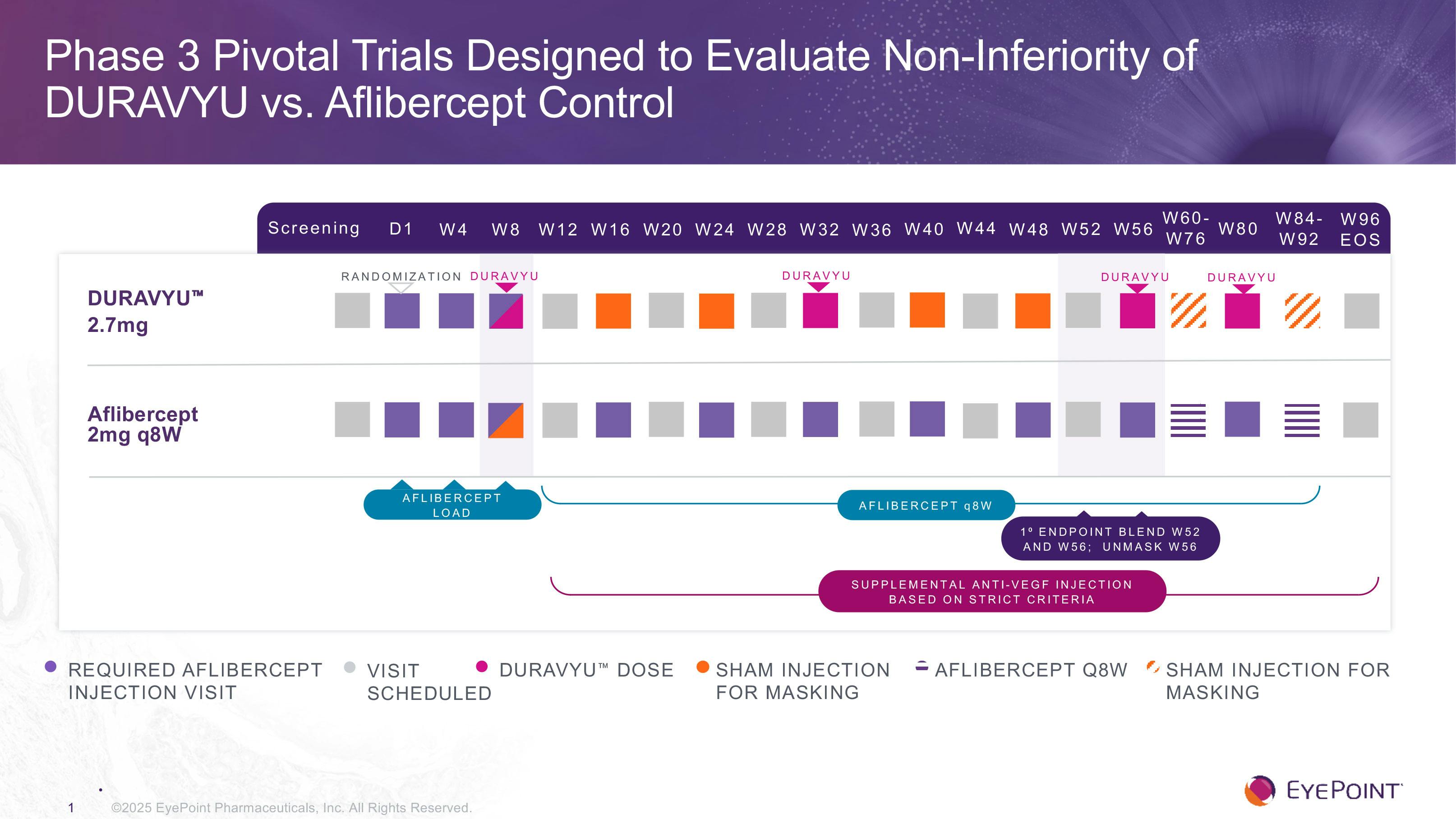
Figure 3. EyePoint Pharmaceuticals chose to pursue a noninferiority trial design for its LUGANO and LUCIA phase 3 trials.
The objective of the LUGANO and LUCIA studies is to demonstrate that EYP-1901 can maintain vision compared with 2 mg aflibercept while reducing the treatment burden—an important key secondary endpoint for our study. While the guidance does state that the treatment burden itself is not an approvable primary endpoint, we believe a therapy that can lead to similar vision as current anti-VEGF drugs while reducing the treatment burden is important for patients and physicians.
In terms of masking, the FDA guidance requires sponsors attempt to minimize bias in trials, and we believe a sham injection remains the best approach. This masking strategy is supported by evidence in the literature demonstrating that patients cannot tell the difference between an injection with an active treatment and a sham injection.5 Importantly, we have had numerous conversations with the FDA, and they have accepted our masking strategy.
Our pipeline is following the typical path of noninferiority study designs, with a technology designed to decrease treatment burden and align with current clinical practice of preserving vision. When we complete our submission for our phase 3 clinical trials to the FDA, our discussions with the Agency will serve as a further learning opportunity for our industry.
BALANCING EFFICACY WITH DURATION
By Victor Chong, MD, MBA, FARVO
The draft guidance, which specifically states it is not for implementation, does not change the well-accepted trial designs in wet AMD. It always comes down to each sponsor working with the FDA to tailor its program’s specific needs.
However, there is some confusion in the industry regarding the position of superiority trials in terms of what is approvable and what is good practice. Superiority must be determined in comparison with standard of care when a good therapy is available. The FDA stated that BCDVA should be the primary endpoint for wet AMD registrational studies—superiority in terms of duration is not approvable on its own. The agency offered a noninferiority study design to allow noninferiority on BCDVA with various treatment frequencies. Both designs described in the guidance have caused ambiguity for sponsors.
The question of sham injections was not discussed in the guidance, but the key concern is adequate masking. For a potential treatment delivered by intravitreal injection, sham injection might not provide complete masking. Luckily, the inability to mask does not necessarily stop approval (eg, for gene therapy that requires surgery, such as voretigene neparvovec [Luxturna, Spark Therapeutics]). Similarly, if the trial includes an implant, both the patient and the investigator can see it. Our investigational product, CLS-AX (axitinib injectable suspension, Clearside Biomedical), is delivered suprachoroidally and no fluid is injected into the intravitreal space; thus, we believe we can maintain good masking.
The FDA draft guidance recommends a choice between ranibizumab or aflibercept, which is a helpful clarification in terms of noninferiority studies, and the agency has also framed the visual acuity requirement by suggesting that trial patients not have a VA > 20/20. The agency has also stated clearly that for a wet AMD registrational noninferiority study, the 4.5-letter criterion and 9-months-or-longer follow-up are necessary for the primary endpoint.
We are analyzing our phase 2 ODYSSEY results and planning our phase 3 program in consultation with the FDA. We seek to produce data supportive of a label with dosing between 3 and 6 months in the maintenance phase to align with the wet AMD treatment approach desired by most retinal physicians. Repeat CLS-AX dosing data in ODYSSEY has informed the phase 3 design and provides further support for NDA submission. The phase 3 trials are likely to include two similar noninferiority studies with 2 mg aflibercept as the comparator (Figure 4).
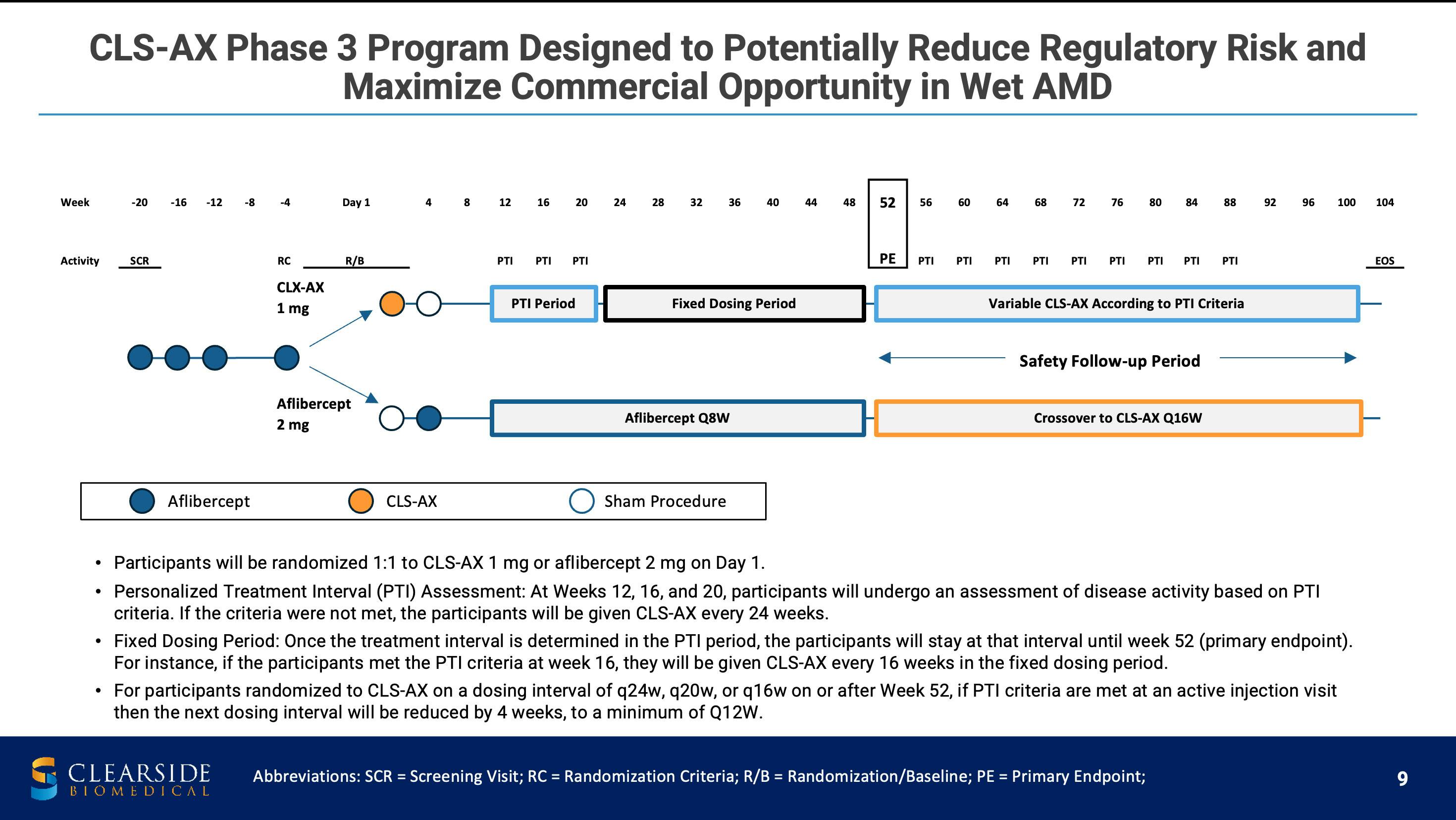
Figure 4. Clearside Biomedical's phase 3 program includes two noninferiority studies that use 2 mg aflibercept as the comparator.
ALWAYS MORE TO LEARN
By Lanita C. Scott, MD, and David J. Tanzer, MD
The FDA draft guidance for wet AMD drug development programs has sparked significant discussion within the industry and, as reflected in the above discussion, no single interpretation. Although there is a lack of clear agreement on what constitutes the standard of care, it is notable that the FDA suggests using ranibizumab or aflibercept for comparison in noninferiority trials.
The agency has indicated that it is moving away from sham injections as adequate masking, which presents a challenge to trial design. Eliminating bias becomes harder as the frequency of treatment decreases, making it difficult to maintain the double-masked nature of certain clinical trials.
An important question that arises is whether the treatment burden will find its way into future guidance revisions. While the current guidance does not consider it as an approvable primary endpoint, it remains a significant concern for both patients and physicians.
Collaboration with the FDA is crucial regarding study design to find a path forward that blends masking and durability. The Agency has shown a willingness to provide feedback and engage in discussions to ensure safety and adequate trial designs. Given the continued uncertainty (made apparent by the disparate interpretations of the draft guidance highlighted here), a collaborative approach is essential as we navigate the complexities of developing new treatments for wet AMD.
1. Neovascular Age-Related Macular Degeneration: Developing Drugs for Treatment Guidance for Industry. U.S. Department of Health and Human Services Food and Drug Administration. February 6, 2023. Accessed April 3, 2025. www.fda.gov/media/165606/download
2. Personal communication. April 14, 2025.
3. Ocular Therapeutix announces FDA feedback that SOL-R trial is appropriate as a registrational study in wet AMD [press release]. Ocular Therapeutix. August 7, 2024. Accessed April 3, 2025. bit.ly/3Rwxia7
4. Human Gene Therapy for Retinal Disorders Guidance for Industry. U.S. Department of Health and Human Services Food and Drug Administration. January 2020. Accessed April 3, 2025. www.fda.gov/media/124641/download
5. Glassman AR, Stockdale CR, Beck RW, Baker C, Bressler NM; Diabetic Retinopathy Clinical Research Network. Evaluation of masking study participants to intravitreal injections in a randomized clinical trial. Arch Ophthalmol. 2012;130(2):190-194.

-1_1748961738.jpg?auto=compress,format&w=70)


