


The 2025 Advances in Pediatric Retina (APR) Course, held September 18 – 20 at Duke University, brought together global leaders in pediatric ophthalmology and retina to share the latest research, clinical insights, and surgical innovations. The event was led by Course Director Lejla Vajzovic, MD, FASRS, and Co-Directors Cynthia A. Toth, MD, and Mary Elizabeth Hartnett, MD. With an agenda spanning retinopathy of prematurity (ROP), imaging technologies, surgical approaches, gene therapy, myopia, ocular tumors, and Coats disease, the meeting provided an unparalleled forum for advancing care for children with blinding retinal diseases.
DAY 1: ROP AND MORE
The course opened with sessions dedicated to ROP, reflecting its central role in pediatric retina worldwide. Early talks explored translational science such as novel OCT angiography models (by Pete Campbell, MD, MPH), metabolomics-derived biomarkers (by Carina Slidsborg, MD, PhD), and hypoxia-inducible factor stabilization for disease prevention (by Jonathan E. Sears, MD). Clinical updates from Baker Hubbard, MD, and Dr. Hartnett included data from the ROP4 trial on low-dose bevacizumab and strategies to extend peripheral vascularization, respectively.
Rapid-fire presentations highlighted the complex interplay between systemic factors (eg, maternal diabetes, neonatal hyperglycemia) and ROP outcomes, while also addressing screening algorithms and diagnostic variability. In a keynote lecture, Maria B. Grant, MD, emphasized the value of nutritional interventions, specifically the potential of dipeptides to modify disease pathways (Figure 1).
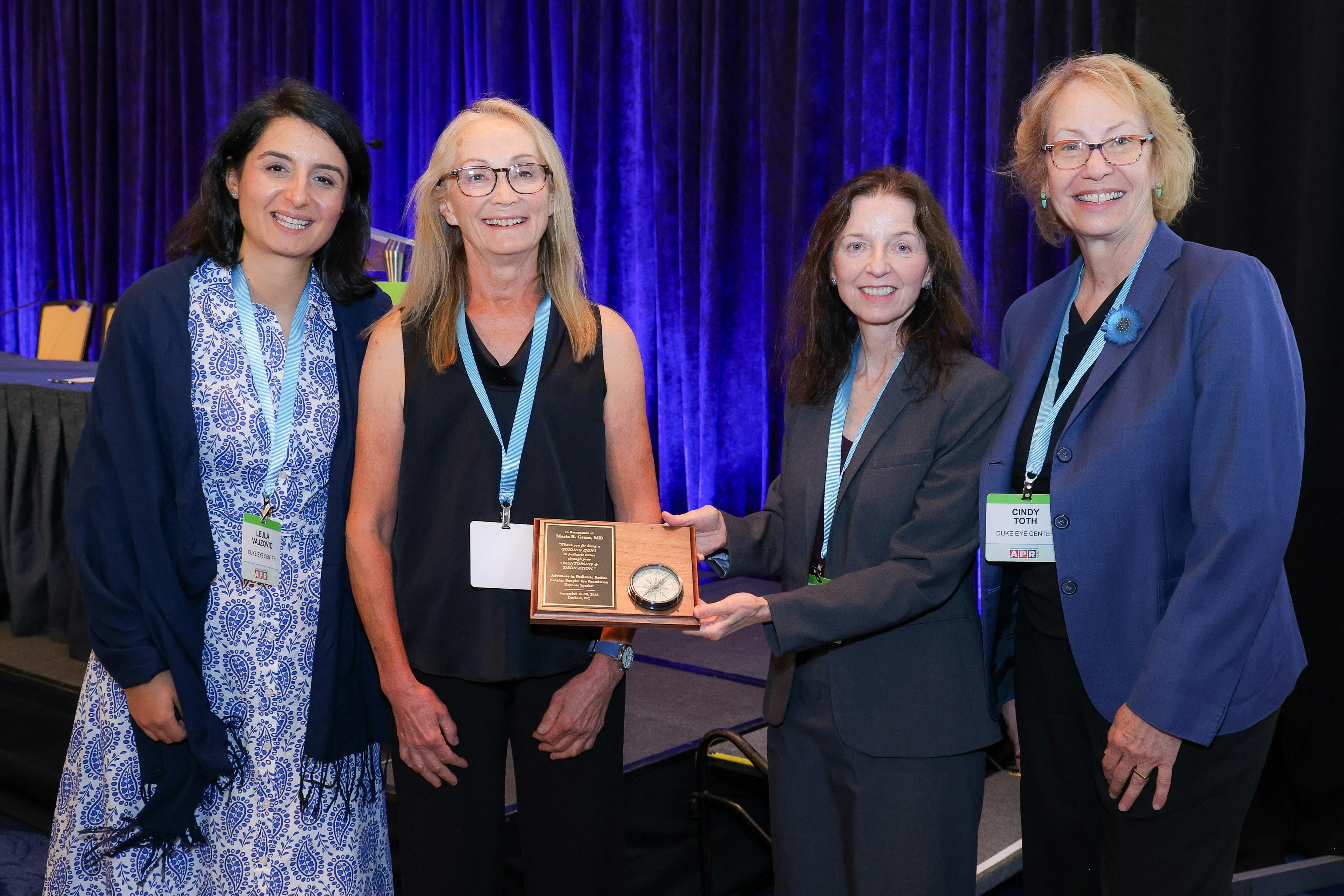
Figure 1. (From left to right) Drs. Vajzovic, Grant, Hartnett, and Toth gather to celebrate the first keynote lecture of the 2025 APR Course.
The afternoon transitioned to clinical ROP care, with speakers tackling controversies in preoperative anti-VEGF use, the International Classification of ROP’s new P-score integration, and challenges of stage 5 disease. Decades-long surgical perspectives were shared, while discussions on atypical presentations and global screening initiatives underlined the importance of collaboration.
Sessions later in the day expanded into imaging and systemic disease, connecting OCT findings in sickle cell retinopathy and hypoxic-ischemic encephalopathy to broader pediatric health. Faculty presented advances in handheld OCT, ultra-widefield imaging, and AI-based screening. Our presentations illustrated how handheld OCT could guide surgical decision making in advanced ROP, underscoring the clinical utility of imaging innovation.
The day concluded with pediatric myopia and syndromic disorders, including Stickler and Marfan syndrome, alongside technical strategies for managing complex detachments such as those that can occur in Coats disease.
DAY 2: SURGICAL INNOVATION AND GENETICS
The second day began with sessions on pediatric retina surgery, during which experts presented novel techniques in complex detachments, persistent fetal vasculature, trauma, and Stickler-type detachments. Presentations explored how patient size, comorbidities, and genetic backgrounds shaped surgical planning, emphasizing the nuanced approach required in pediatric care.
In her keynote session, Audina M. Berrocal, MD, reflected on her journey toward becoming a world-renowned pediatric retina surgeon, including being the first person to use an anti-VEGF agent in an infant with ROP and leading the pediatric retina service at Bascom Palmer (Figure 2). She left the audience with inspiring pearls about the importance of mentorship, collaboration, and innovation.
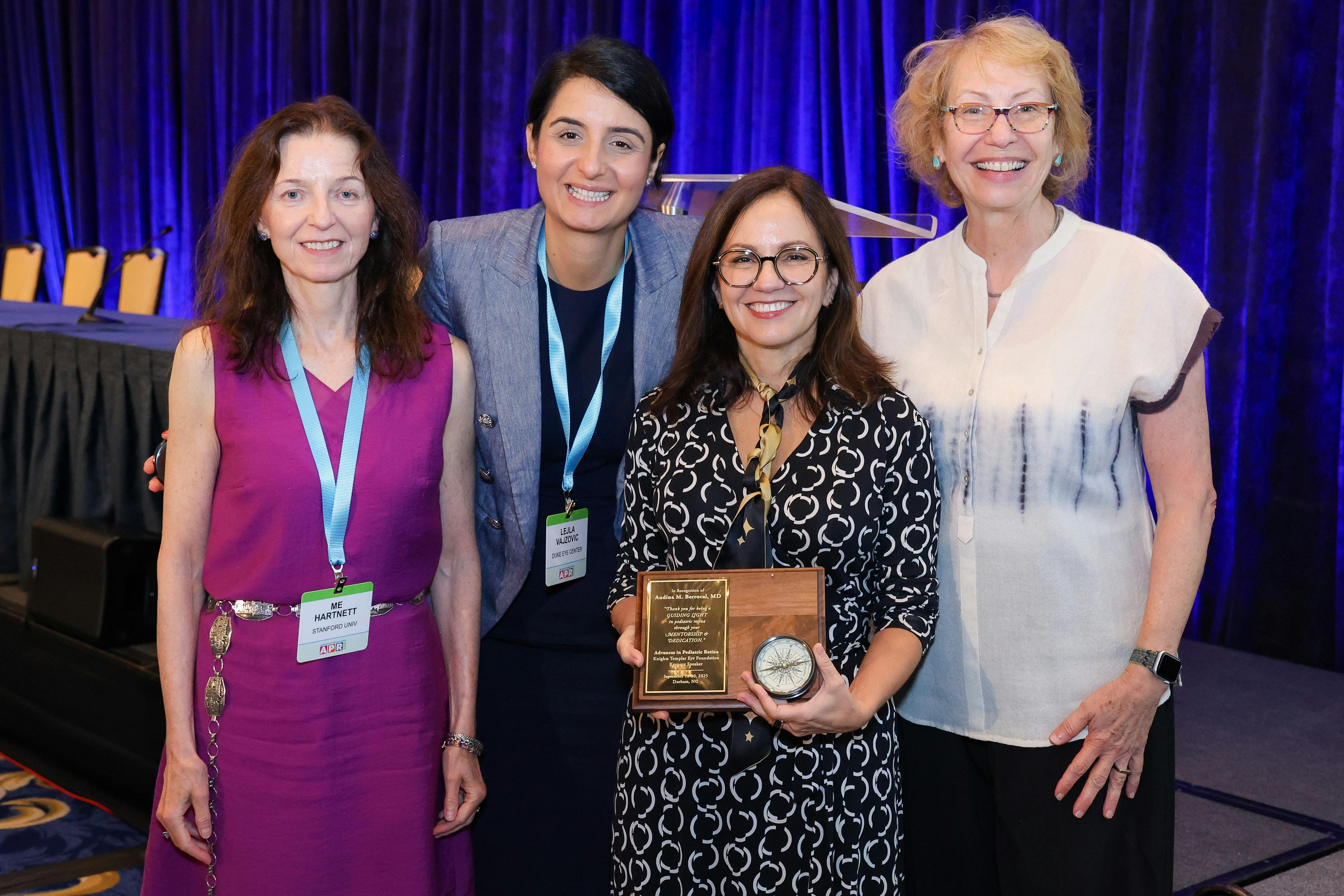
Figure 2. (From left to right) Drs. Hartnett, Vajzovic, Berrocal, and Toth celebrate a successful day 2 keynote lecture.
The afternoon turned to genetic eye diseases and gene therapy. Talks covered subretinal injections in children (by Fanny D. Nerinckx, MD), real-world voretigene neparvovec-rzyl (Luxturna, Spark Therapeutics) outcomes (by Aaron Nagiel, MD, PhD), antisense oligonucleotide therapy in retinitis pigmentosa (by Marc Mathias, MD), and interventional strategies for rare conditions such as Norrie disease and incontinentia pigmenti (by Kimberly A. Drenser, MD, PhD, and Şengül Özdek, MD, respectively). Experts shared how genetics increasingly shape both prognosis and intervention, moving the field closer to personalized pediatric retina care.
A set of rapid-fire presentations, moderated by George Caputo, MD, showcased research on Stickler syndrome, Stargardt disease, and familial exudative vitreoretinopathy, emphasizing genotype-phenotype correlations and preventive treatment strategies. This session demonstrated the power of genetics to predict outcomes and guide interventions that could prevent lifelong blindness.
Wet Lab and Challenge Stations
One of the hallmarks of the APR Course is the wet lab and challenge stations, which bridged the gap between theory and practice. After 2 days of intense didactic and case-based learning, participants spent Friday afternoon rotating through state-of-the-art surgical training stations supported by leading industry partners.
At these stations, attendees gained hands-on exposure to the latest surgical tools, imaging platforms, and visualization systems. Faculty guided small groups through techniques such as vitrectomy in premature infants, advanced visualization for ROP surgery, and innovative imaging with ultra-widefield handheld OCT. This format enhanced technical proficiency and fostered direct mentorship and dialogue between trainees, seasoned surgeons, and device innovators.
Complementing the wet lab were the challenge stations, where complex cases were presented in real time by expert faculty. Participants tested their decision-making skills, proposed strategies, and learned from diverse approaches across international practices. The interactive format encouraged collaboration and critical thinking while highlighting the variability of surgical and clinical approaches.
DAY 3: TUMORS, COATS DISEASE, AND CLOSING PERSPECTIVES
The final day started off with pediatric retinal tumors and Coats disease. Talks ranged from survival-to-vision paradigms in retinoblastoma (by Aparna Ramasubramanian, MD) to innovative biopsy techniques (by Scott Oliver, MD) and systemic cancer therapies with ocular implications (by Prithvi Mruthyunjaya, MD, MHS). Discussions also addressed the balance between globe salvage and visual function, a critical tension in pediatric oncology.
Keynote speaker Subhadra Jalali, MS Ophthalmology, discussed her decades-long experience screening and treating ROP patients in India (Figure 3). She shared the triumphs and challenges she faced along the way, including her experience being one of the only female retina specialists at the time. She has treated more than 20,000 babies during her career and continues to feel inspired to care for these most vulnerable patients.
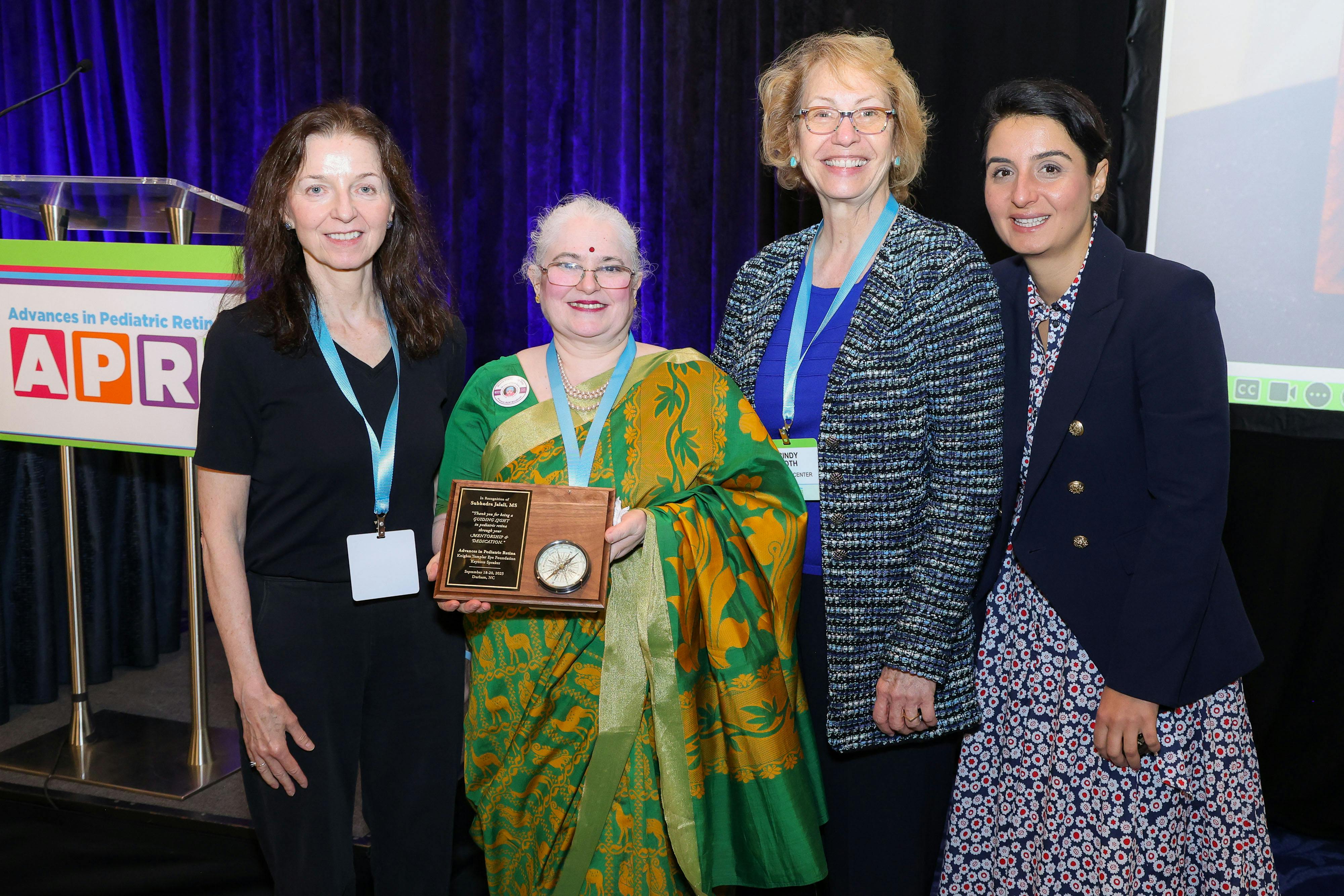
Figure 3. (From left to right) Drs. Hartnett, Jalali, Toth, and Vajzovic honor the final keynote lecturer of the meeting.
The course concluded with a session on Coats disease, supported by the Jack McGovern Foundation, highlighting advances in our understanding of macular exudation, surgical approaches, and international collaborative outcomes.
A GLOBAL HUB FOR PEDIATRIC RETINA
Across the 3 days, the APR Course emphasized cross-disciplinary collaboration, from basic science to surgical practice and from imaging to genetics. Poster sessions, industry symposia, and networking opportunities strengthened ties among clinicians, researchers, and industry partners, all with the shared goal of improving outcomes for children with retinal diseases.
By uniting cutting-edge research with clinical expertise, the 2025 APR Course has set the stage for the next generation of therapies, innovative surgical and imaging technologies, and international partnerships in pediatric retina.
%20FINAL-1_1771612597.jpg?auto=compress,format&w=70)
-1%20(1)_1769020986.jpg?auto=compress,format&w=70)


